
The Transsexual
1977
No user ratings available yet
Representation score: 4.7 out of 10
Representation Score
Good
1970
RDirector
Irving Rapper
Runtime
98 minutes
Average Rating
No ratings yetNew Showbiz Analysis
The film stands as a landmark biographical drama, emphasizing the psychological journey of a transgender individual. It treats gender identity as a matter of personal choice rather than spectacle, directly challenging the restrictive binaries of the 1950s. While the film excels in deconstructing traditional gender norms, it remains limited by the demographic homogeneity of its era. The narrative is deeply Western-centric and lacks racial or ethnic diversity. Ultimately, the film's strength lies in its portrayal of bodily autonomy. It captures the tension between individuals and the medical or legal institutions that seek to define their identity.
Category Breakdown
The film centers a transgender protagonist, disrupting traditional 1950s assumptions about gender. It highlights medical autonomy and personal choice over mere curiosity about gender identity.
The narrative challenges traditional gender roles by presenting a protagonist who redefines their social identity. It effectively counters mid-century patriarchal structures and rigid gender norms.
The cast reflects the homogeneous demographics of the 1950s. The film lacks significant diversity, focusing on a singular, Western-centric perspective.
The story presents a conflict between personal truth and societal laws. It prioritizes individual self-determination over traditional religious or communal norms and Western institutions.
The film focuses on surgical and hormonal transition rather than broader disability issues. However, the protagonist maintains significant control over their journey despite medical interventions.
Present on Screen
Limited or Absent
Official Synopsis
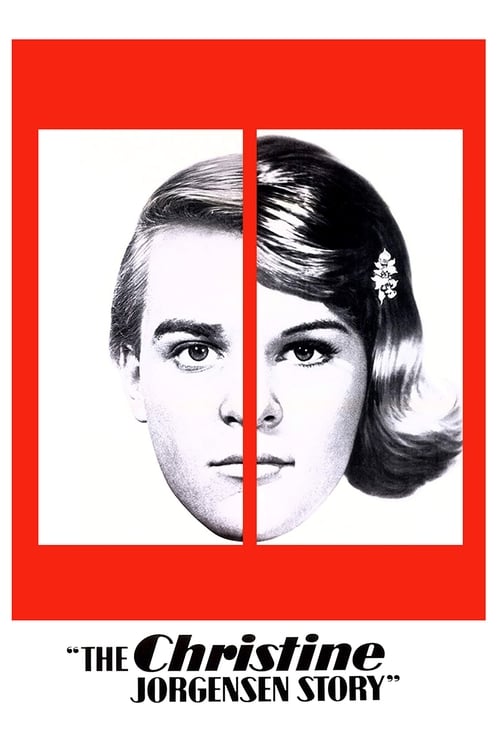
In the 1950s, a young American man goes to Denmark and makes headlines for having the first sex-change operation.
1977

1997
1978

1969

2012

1982
2003
2005
No reviews yet. Be the first to share your thoughts on this movie!
Use the rating form above to leave a star rating and optional review.