
Seventy-Nine
2013
No user ratings available yet
Representation score: 5.8 out of 10
Representation Score
Good
2017
RDirector
Pamela Romanowsky, James Franco
Runtime
98 minutes
Average Rating
No ratings yetNew Showbiz Analysis
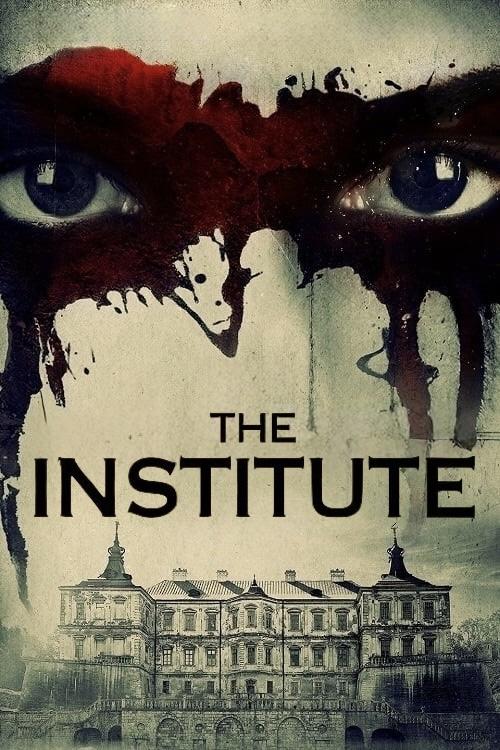
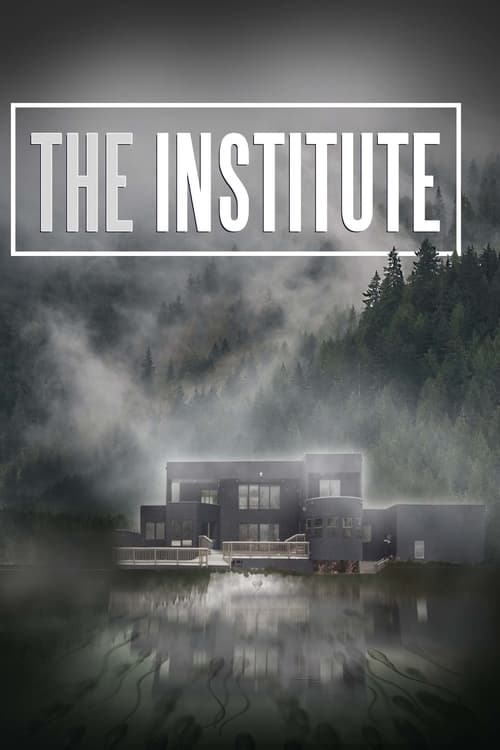
The Institute succeeds as a psychological thriller that prioritizes women's ability to drive the story over traditional gendered power dynamics. By framing Isabel Porter's survival through active resistance, the film effectively challenges the patriarchal structures of its 19th-century setting. However, the film remains constrained by its period setting, resulting in limited racial and LGBTQ+ diversity. The narrative leans into a more homogeneous demographic typical of historical dramas, missing opportunities for more inclusive casting. While the exploration of psychological trauma provides depth, the connection between mental health and horror elements prevents a more nuanced portrayal of disability. Ultimately, the film is a critique of institutional authority rather than a broad study in social diversity.
Category Breakdown
The film centers on Isabel Porter's psychological trauma and survival. It does not include explicit LGBTQ+ character arcs or non-cisgender identities, focusing instead on individual internal struggles.
Isabel Porter plays a central role rather than being a passive victim. The film challenges the damsel in distress cliché by emphasizing female intellect and resilience against a patriarchal system.
Set in 19th-century Baltimore, the cast reflects the homogeneous demographics of the time. The film avoids harmful stereotypes but lacks diverse casting to challenge historical social structures.
The narrative critiques Western institutions by portraying the Rosewood Institute as a site of corruption. It deconstructs the perceived benevolence of historical scientific authority through a lens of skepticism.
Mental health and neurodivergence are central to the protagonist's struggle and ability to act. However, these themes are closely tied to horror elements, which limits purely empowering representation.
Present on Screen
Limited or Absent
Official Synopsis
In 19th century Baltimore, Isabel Porter, a girl stricken with grief from her parents' untimely death, voluntarily checks herself into the Rosewood Institute. Subjected to bizarre and increasingly violent pseudo-scientific experiments in personality modification, brainwashing and mind control, she must escape the clutches of the Rosewood and exact her revenge, or else be forever lost.
2013
2021
2021
1960
2017
2014
2022
2014
No reviews yet. Be the first to share your thoughts on this movie!
Use the rating form above to leave a star rating and optional review.