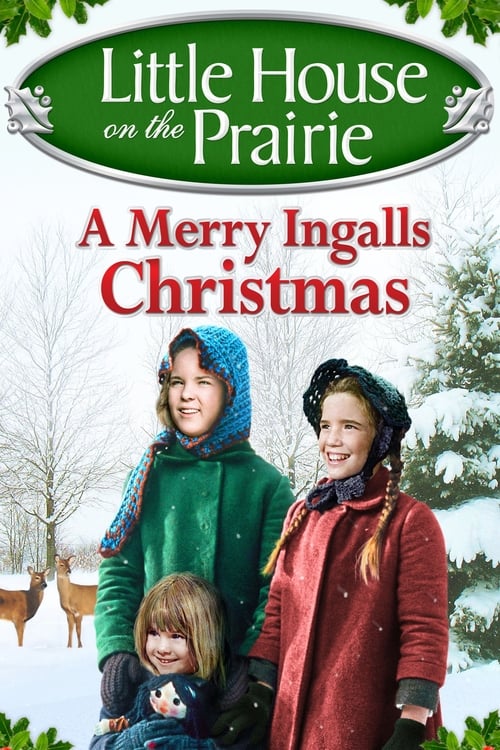
Little House on the Prairie: A Merry Ingalls Christmas
2014
No user ratings available yet
Representation score: 1.7 out of 10
Representation Score
Minimal
2012
Director
Gernot Roll
Runtime
99 minutes
Average Rating
No ratings yetNew Showbiz Analysis
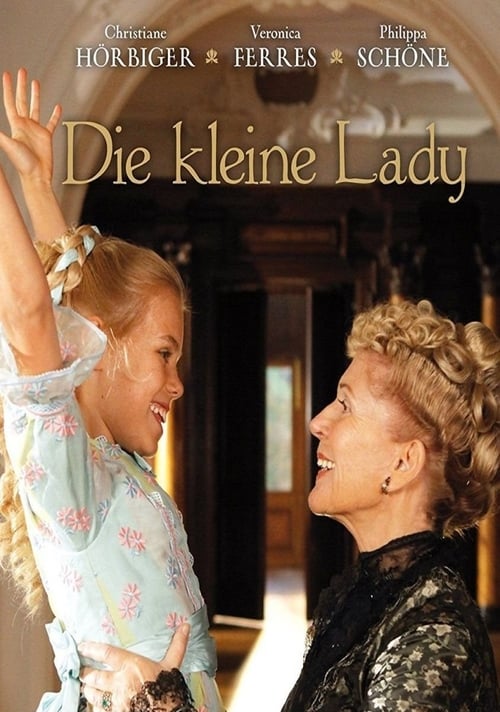
Little Lady is a traditional period drama that emphasizes class mobility and maternal influence over systemic critique. While the narrative is driven by female characters, it remains tied to established historical clichés of the 19th century. The film lacks complexity in reflecting multiple aspects of identity, focusing instead on the transition from street life to aristocracy. This narrow focus results in a lack of representation for LGBTQ+ identities and diverse ethnic groups. Ultimately, the film reinforces existing social hierarchies through its reliance on inheritance as a plot device, rather than challenging the structures of wealth and status.
Category Breakdown
The film does not include any LGBTQ+ characters or narratives that question the assumption that everyone is straight or cisgender. The story revolves around maternal bonds and social mobility in a 19th-century setting.
The plot centers on the roles of a young girl and a matriarchal countess, highlighting their ability to act. However, these characters function within the rigid social hierarchies of the 19th century without challenging them.
Set in 19th-century New York, the narrative follows a typical Western historical storyline. There is no mention of diverse ethnic identities or a non-Anglo-Saxon majority cast.
The story examines the tension between impoverished street life and Austrian aristocracy. It uses the classic cliché of social mobility through inheritance without questioning the existing wealth structures.
There are no visible or invisible disabilities highlighted as central to the character arcs or the plot progression.
Present on Screen
Limited or Absent
Official Synopsis
Nine-year-old streetwalker Emily lives with her widowed mother in 19th century New York. Her life changes abruptly when she learns that she has been appointed sole heiress by an aging, wealthy Austrian countess. It is not only an heiress who causes turbulence, but also the countess's attempt to raise Emily as a member of the aristocracy.
2014
1980

1962

2015
2016

2008

2012
2011
No reviews yet. Be the first to share your thoughts on this movie!
Use the rating form above to leave a star rating and optional review.