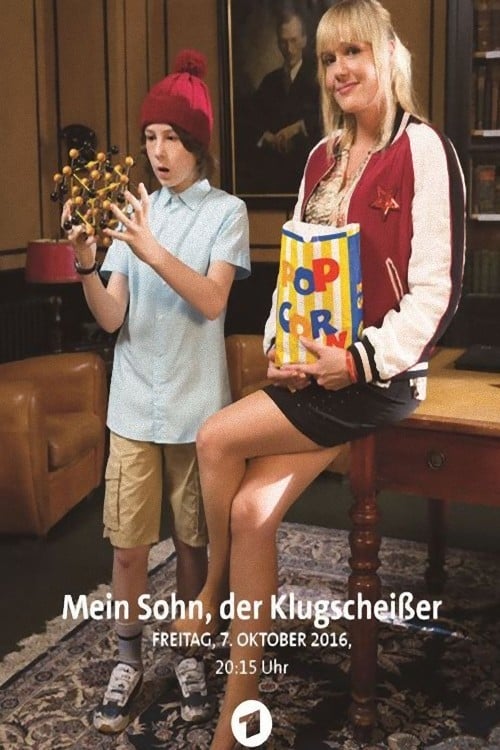
Mein Sohn, der Klugscheißer
2016
No user ratings available yet
Representation score: 8.0 out of 10
Representation Score
Limited
2011
Director
Christine Kabisch
Runtime
87 minutes
Average Rating
No ratings yetNew Showbiz Analysis
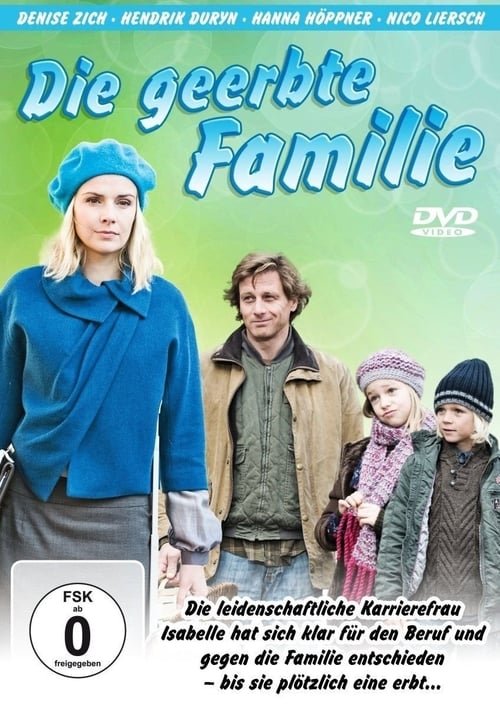
Die geerbte Familie is a domestic drama that emphasizes personal crises and realistic family dynamics over challenging social norms. Although it offers depth through Isabelle's quest for independence, the narrative adheres to conventional frameworks. The film leans heavily on traditional clichés, especially those related to women's roles as caregivers. This focus restricts the scope of its social commentary. Ultimately, the production lacks the complexity of multiple intersecting identities and stays within the confines of a homogeneous social unit and established social hierarchies.
Category Breakdown
The film does not include any explicit LGBTQ+ characters or stories that question the assumption that everyone is straight or cisgender. The main focus is on biological family ties and traditional family structures.
Isabelle is a key female character who faces challenges in asserting her independence. The story delves into the tension between her professional life and her role as a mother.
The setting seems to be a typical European farm. There is no indication of a racially diverse cast or characters from different ethnic backgrounds.
The drama revolves around the obligations of family members and the breakdown of the traditional nuclear family structure. It does not feature any overtly secular or anti-Western themes, sticking to traditional domestic themes.
The story does not depict any visible or invisible disabilities. None of the characters are shown to have specific health conditions or be neurodivergent.
Present on Screen
Limited or Absent
Official Synopsis
Isabelle, an editor of a lifestyle magazine who grew up without parents, finds out from the police that her father died not decades ago, but only yesterday. When she visits his farm, she discovers that she is also a big sister. Faced with the imminent institutionalization of her two young children, she has to make a decision: Career or family. A sympathetic caretaker makes it easier for her.
2016
2019

1998

2017

2022
2014

2012
2012
No reviews yet. Be the first to share your thoughts on this movie!
Use the rating form above to leave a star rating and optional review.