
Les Liens du cœur
2016
No user ratings available yet
Representation score: 4.8 out of 10
Representation Score
Excellent
2016
Director
Pia Strietmann
Runtime
89 minutes
Average Rating
No ratings yetNew Showbiz Analysis
The film successfully challenges social hierarchies, particularly through the character of Said, who is portrayed as an assertive protector rather than a victim. This provides a refreshing departure from typical immigrant clichés. Additionally, the narrative offers a thoughtful critique of meritocracy, focusing on the emotional costs of intellectualism. However, the film remains somewhat limited by its domestic comedy framework. While it touches on non-traditional masculinity and neurodivergence, these elements are not fully developed into explicit identity-driven narratives. The absence of clear LGBTQ+ markers prevents a higher score in that category. Overall, the work provides a nuanced exploration of family and social standing, moving beyond simple stereotypes to examine the complexities of intelligence and domestic life.
Category Breakdown
The film introduces non-traditional family dynamics through Marco, the mother's foppish lover. However, it doesn't provide explicit LGBTQ+ identity or romantic development for these characters.
Debbie Höffner plays a central role through her domestic and emotional labor. The film challenges stoic masculinity by depicting Marco as foppish and highlighting the protagonist's intellectual ability to act.
Said, an assertive immigrant, disrupts social hierarchies by acting as a protector for the protagonist, subverting common victim clichés associated with immigrants.
The story critiques meritocratic values as Jerôme prioritizes emotional stability over institutional success. It offers a nuanced view of the domestic sphere through the mother's clumsy attempts at enrichment.
Neurodivergence is explored through Jerôme’s high intelligence and psychological therapy. The film avoids inspiration porn by framing his genius as a source of social friction and internal conflict.
Present on Screen
Limited or Absent
Official Synopsis
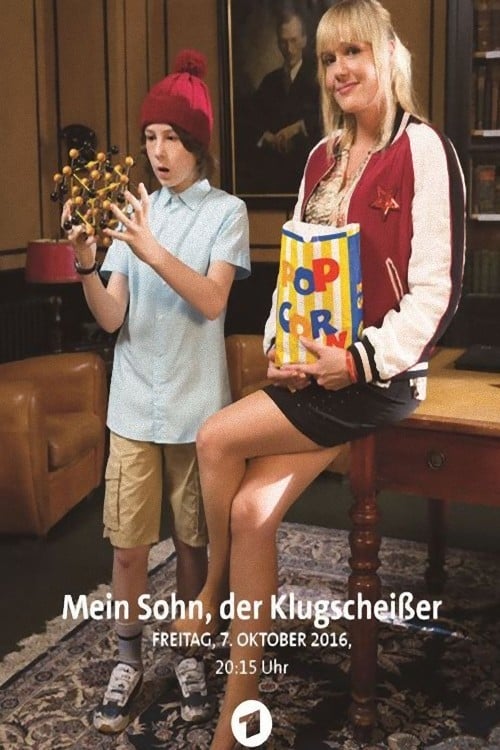
Schoolboy Jerôme Höffner, a brilliant nerd, is despised and pestered by his 'cool' classmates, except assertive immigrant Said, who protects him. Foppish mother Debbie Höffner's cool latest lover Marco Schmitz teaches his 'stepson' to fight back against bullies, but breaking Jan's nose in self-defense, Jerôme is forced in therapy with a child psychologist, who finds him a genius and recommends a mensa boarding school, but he willfully scores average on tests, fearing Debbie can't cope alone, until her clumsy attempts to offer enrichment privately frustrate him enough to visit, with Said, Dr. Kleybold's IQ school, which proves most tempting.
2016

2018

2008

2019

2011

2016

2013

2012
No reviews yet. Be the first to share your thoughts on this movie!
Use the rating form above to leave a star rating and optional review.