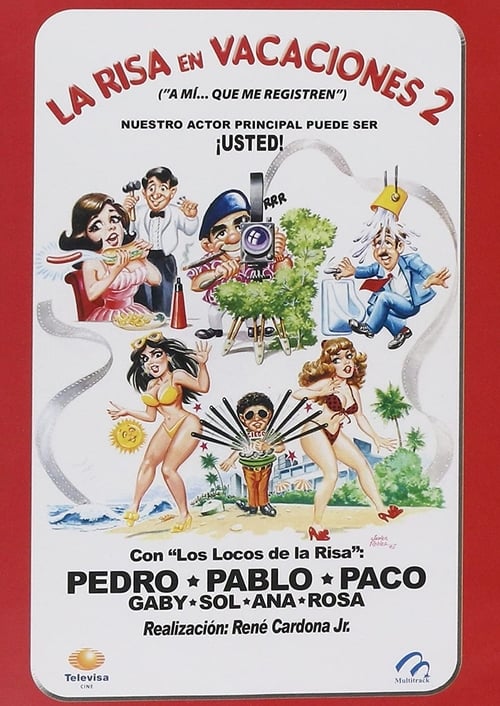
La risa en vacaciones 2
1991
No user ratings available yet
Representation score: 3.3 out of 10
Representation Score
Limited
1994
Director
René Cardona Jr.
Average Rating
No ratings yetNew Showbiz Analysis
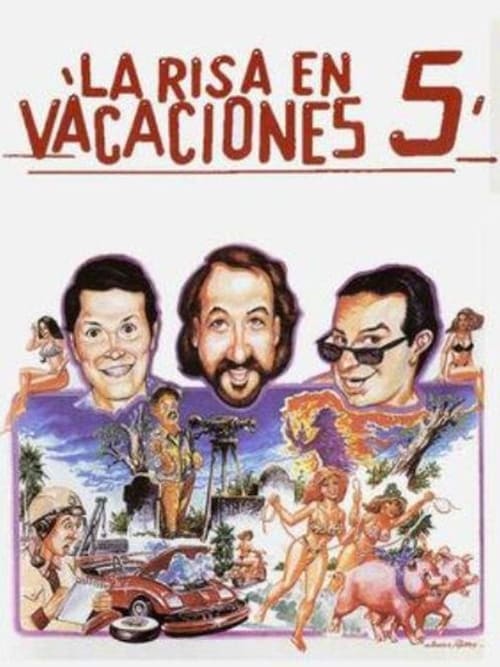
La risa en vacaciones 5 functions as a commercial comedy sequel designed for escapism. It adheres to the established slapstick traditions of René Cardona Jr., prioritizing broad physical humor over complex social commentary or progressive storytelling. The film operates within a mainstream framework that favors conventional formulas, lacking the narrative structure needed to explore multi-layered identities or challenge existing social hierarchies. Ultimately, the work serves as a product of its time and genre, emphasizing lighthearted entertainment through traditional structures rather than deconstructing systemic power dynamics.
Category Breakdown
The film relies on traditional comedic structures that assume everyone is straight or cisgender. There is no visible evidence of non-binary or queer identities.
The film uses traditional gender roles or broad caricatures. It lacks evidence of non-traditional masculinity or the subversion of gender hierarchies.
The production reflects regional Latin American demographics through its cast. However, it is unclear if the story provides depth on multiple aspects of identity or remains within a homogeneous setting.
The vacation comedy genre focuses on leisure and traditional social structures. The film reinforces conventional social norms rather than offering anti-institutional or subversive perspectives.
There is no documented evidence of characters with visible or invisible disabilities in the cast or plot descriptions.
Present on Screen
Limited or Absent
1991
1994
1996
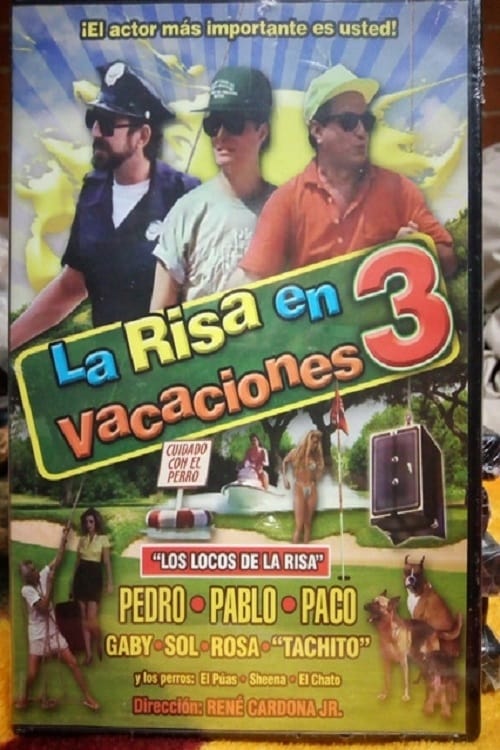
1992
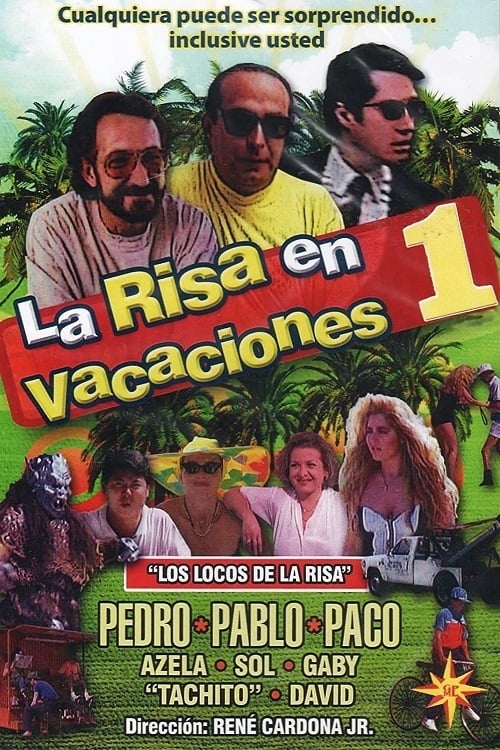
1990
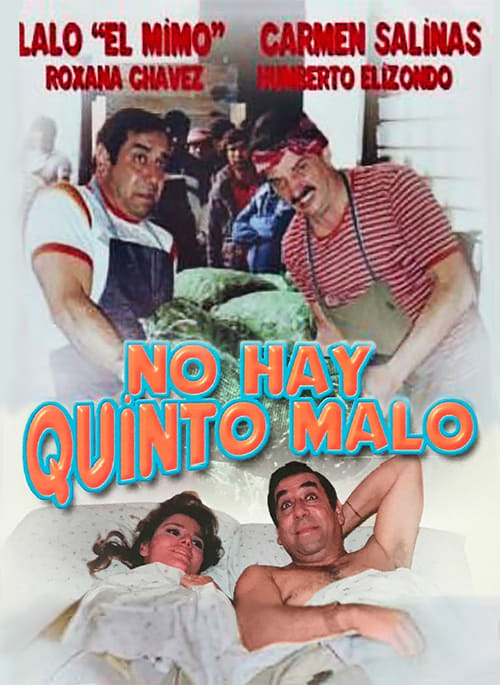
1990
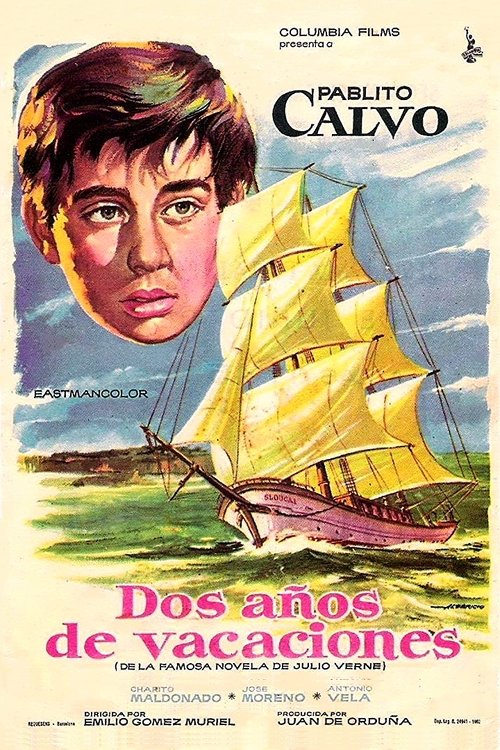
1962
1984
No reviews yet. Be the first to share your thoughts on this movie!
Use the rating form above to leave a star rating and optional review.