
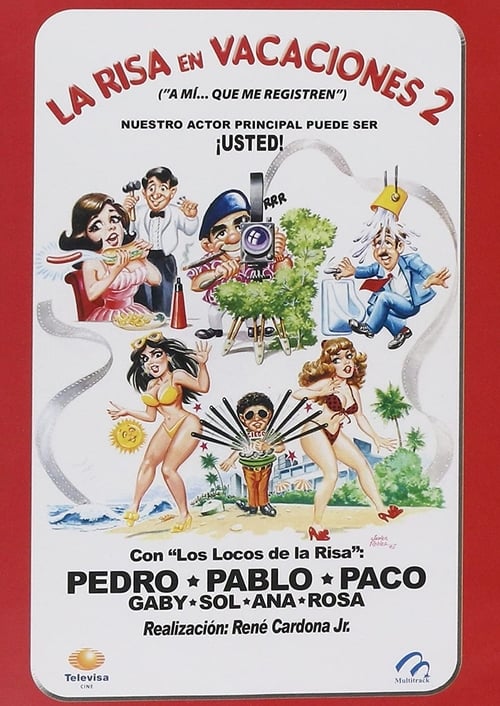
La risa en vacaciones 5
1994
No user ratings available yet
Representation score: 3.1 out of 10

Representation Score
Limited
1984
Director
René Cardona Jr.
Runtime
107 minutes
Average Rating
No ratings yetNew Showbiz Analysis
René Cardona Jr.'s film offers a culturally specific comedy that delves into the socioeconomic pressures of 1980s Mexico. The plot revolves around the disintegration of a middle-aged couple's family as their children decide to move to the United States. While the film showcases Mexican performers and addresses the allure of the 'American Dream,' it adheres to conventional comedic structures. It does not challenge social hierarchies or provide progressive representation of underrepresented identities. The narrative emphasizes the preservation or loss of traditional family structures rather than questioning gender or societal norms.
Category Breakdown
The film does not include any characters who identify as LGBTQ+ or have non-cisgender identities. The story focuses on the breakdown of a traditional nuclear family unit.
The film features several prominent female actors. However, their roles may follow traditional domestic stereotypes or comedic caricatures typical of 1980s Mexican comedies.
The movie centers on the Mexican experience, particularly focusing on the working class and the theme of migration to the United States. It explores the unique ethnic experience of moving to a new country.
The story looks at the disruption of traditional family stability due to emigration. It highlights the tension between maintaining cultural traditions and seeking economic opportunities.
There is no evidence of characters with visible or invisible disabilities in this film.
Present on Screen
Limited or Absent
Official Synopsis
Middle-aged couple's adult children decide to emigrate to USA. Third movie in trilogy.
1994

1985

1979

1939
1991

1986

2018

1958
No reviews yet. Be the first to share your thoughts on this movie!
Use the rating form above to leave a star rating and optional review.