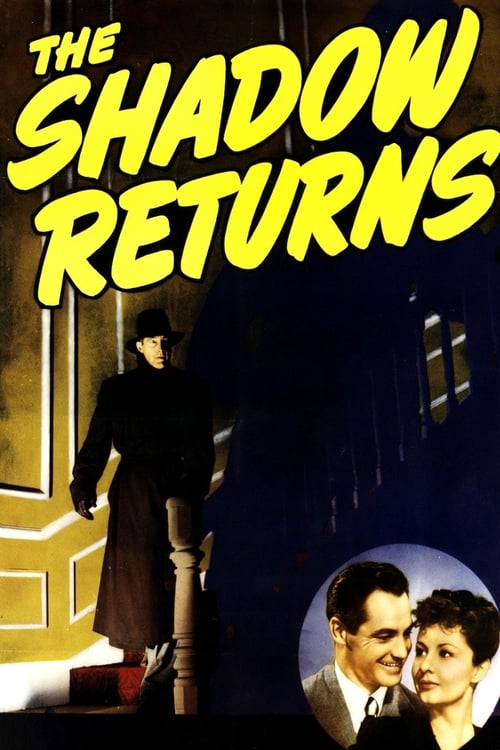
The Shadow Returns
1946
No user ratings available yet
Representation score: 1.4 out of 10

Representation Score
Limited
1946
PassedDirector
Phil Karlson, William Beaudine
Runtime
68 minutes
Average Rating
No ratings yetNew Showbiz Analysis
Behind the Mask is a conventional 1946 mystery-thriller that prioritizes genre mechanics over social complexity. The narrative focuses on identity and investigation through a lens typical of its era, offering little in the way of progressive representation. The film operates within a standard patriarchal and homogeneous framework. It lacks the depth needed to address multiple aspects of identity or disrupt social hierarchies. Ultimately, the production reflects the limited cinematic landscape of the mid-1940s, favoring traditional crime clichés over diverse or subversive storytelling.
Category Breakdown
The film does not include any LGBTQ+ characters or explore non-straight identities. It sticks closely to the social norms of 1946, focusing on traditional mystery elements.
The story follows the gender roles typical of mid-century society. The main male character, Lamont Cranston, drives the narrative within a traditional noir structure.
The film centers on a predominantly white cast typical of 1940s crime fiction. There is no indication of a diverse ethnic makeup or non-white majority cast.
The story uses standard crime-thriller elements centered on justice. It does not engage with systemic critiques or diverse cultural perspectives beyond traditional investigative themes.
While the plot involves plastic surgery to change physical appearance, it does not explore neurological differences or give significant roles to characters with disabilities.
Present on Screen
Limited or Absent
Official Synopsis
Falsely accused of murdering a crooked newspaper reporter, suave detective Lamont Cranston -- aka the Shadow -- vows to track down the real killer.
1946

1951
1945

1940
1937

1955
1946
1948
No reviews yet. Be the first to share your thoughts on this movie!
Use the rating form above to leave a star rating and optional review.