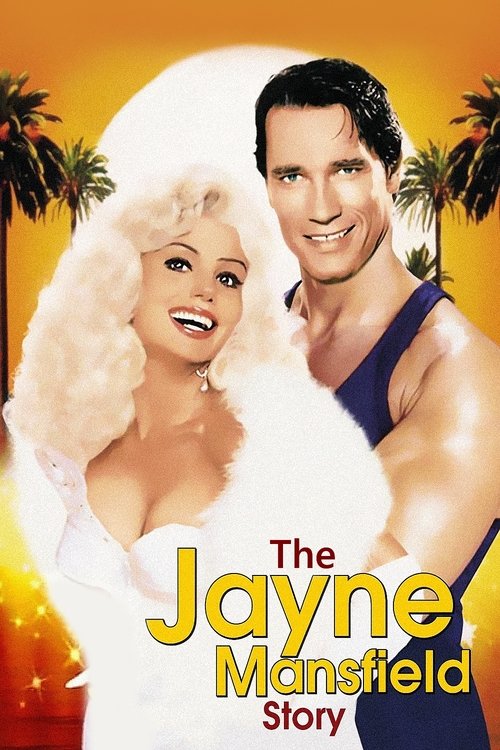
The Jayne Mansfield Story
1980
No user ratings available yet
Diversity score: 2.2 out of 10
No Poster Available
1998
TV-PGDirector
Waris Hussein
Runtime
96 minutes
Average Rating
No ratings yetSynopsis
Told mostly in flashbacks, the film tells the story of Pamela Digby Churchill Hayward Harriman, one of the greatest and probably most famous courtesans of the twentieth century. While not showing her childhood, first marriage to Winston Churchill's son, or most of her affairs, we do get to see her affair and eventual marriage to Broadway producer Leland Hayward, and then her marriage to politician Averell Harriman, with whom she had an affair while both were married to others in World War II. We also see her as ambassador to France during her last years, and her death in 1997. While some (mostly her lovers) adored her, others (mostly her son and her husbands' children) hated her.
Overall Score
Fair
Category Breakdown
LGBTQ+ Representation
The film operates within a traditional heteronormative framework. The narrative focuses exclusively on the protagonist's romantic and marital connections with men.
Gender Representation
The film offers a nuanced portrayal of female agency. It highlights how the protagonist leverages social capital to exert influence within male-dominated political spheres.
Racial & Ethnic Diversity
The production centers on white, upper-class social circles. The setting reflects the homogeneous nature of the British aristocracy and American political elite.
Religious & Cultural Diversity
The story explores moral relativism through situational ethics. However, it remains deeply embedded in Western institutional frameworks like the US Democratic Party.
Disability Representation
There is no significant evidence regarding the portrayal of visible or invisible disabilities in the narrative.
Strengths
Areas for Improvement
AI Analysis
The film serves as a focused character study of a woman navigating established Western power structures. It succeeds in subverting traditional expectations of female passivity by showcasing how the protagonist maneuvers through high-level political and aristocratic circles. However, the film's impact on broader diversity is limited. The narrative is confined to a highly homogeneous socioeconomic and racial demographic, focusing on the white, upper-class elite of London and Washington, D.C. While the exploration of female agency is a strength, the lack of racial, ethnic, or LGBTQ+ representation keeps the overall diversity score relatively low.
1980
2007
2000
1998
2013
2008
1993

1980

2010
2002
1989
2015
No reviews yet. Be the first to share your thoughts on this movie!
Use the rating form above to leave a star rating and optional review.