
Infidelity
2018
No user ratings available yet
Representation score: 4.5 out of 10
Representation Score
Fair
1995
Director
Karen Arthur
Runtime
240 minutes
Average Rating
No ratings yetNew Showbiz Analysis
The film provides a nuanced look at female autonomy and the breakdown of traditional domestic structures. By centering on the protagonist's struggle against social and legal pressures, it offers a sophisticated critique of patriarchal control. However, the production is limited by a narrow demographic scope. The narrative remains anchored in a specific, non-diverse socioeconomic milieu that lacks racial and LGBTQ+ diversity. Ultimately, while the film offers depth regarding gendered power dynamics, its lack of representation across other identity markers results in a low overall diversity score.
Category Breakdown
The film focuses solely on heterosexual relationships and does not include any same-sex intimacy or non-binary gender identities.
The narrative centers on the psychological impact of patriarchal scrutiny and the resilience of the female protagonist.
The cast is predominantly homogeneous, reflecting the specific socioeconomic circles of the 1990s film industry. It lacks broad diversity in ethnic backgrounds.
The story deconstructs the idealized Western family unit through legal and custodial battles, avoiding moralistic resolutions and focusing on systemic and interpersonal dysfunction.
The film lacks a significant focus on neurodivergence or physical disabilities. Character struggles are primarily psychological and social in nature.
Present on Screen
Limited or Absent
Official Synopsis
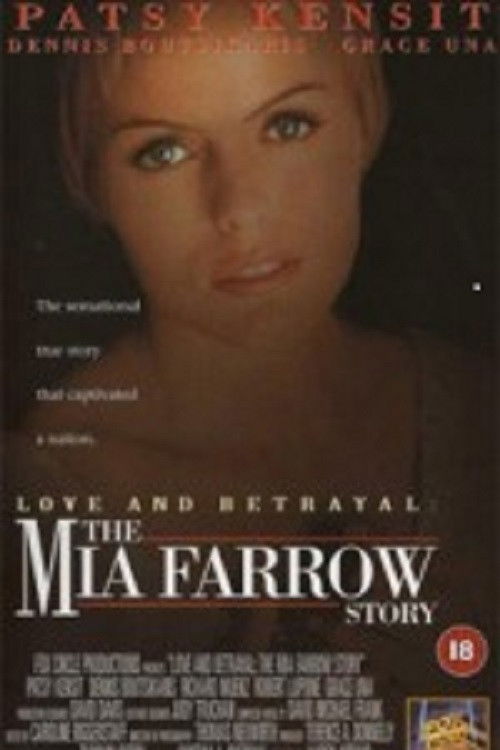
Actress Mia Farrow's personal life takes a turn for the worse when she engages in a long relationship with Woody Allen.
2018
1989

1996

1964

2004
1980
1998

1996
No reviews yet. Be the first to share your thoughts on this movie!
Use the rating form above to leave a star rating and optional review.