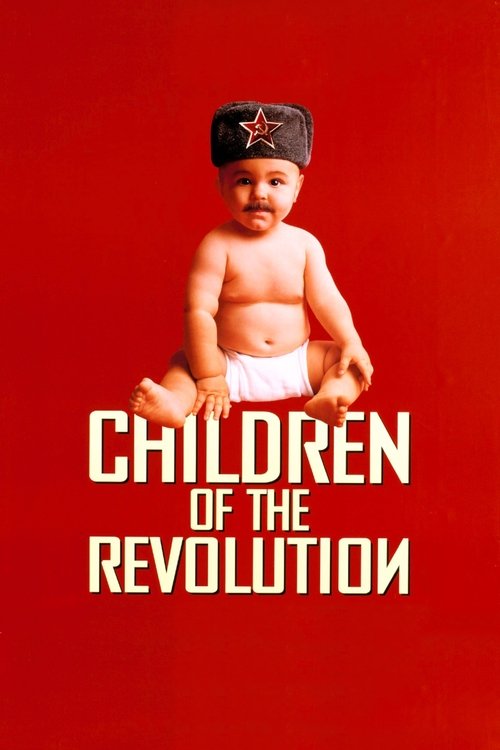
Children of the Revolution
1996
No user ratings available yet
Diversity score: 4.9 out of 10
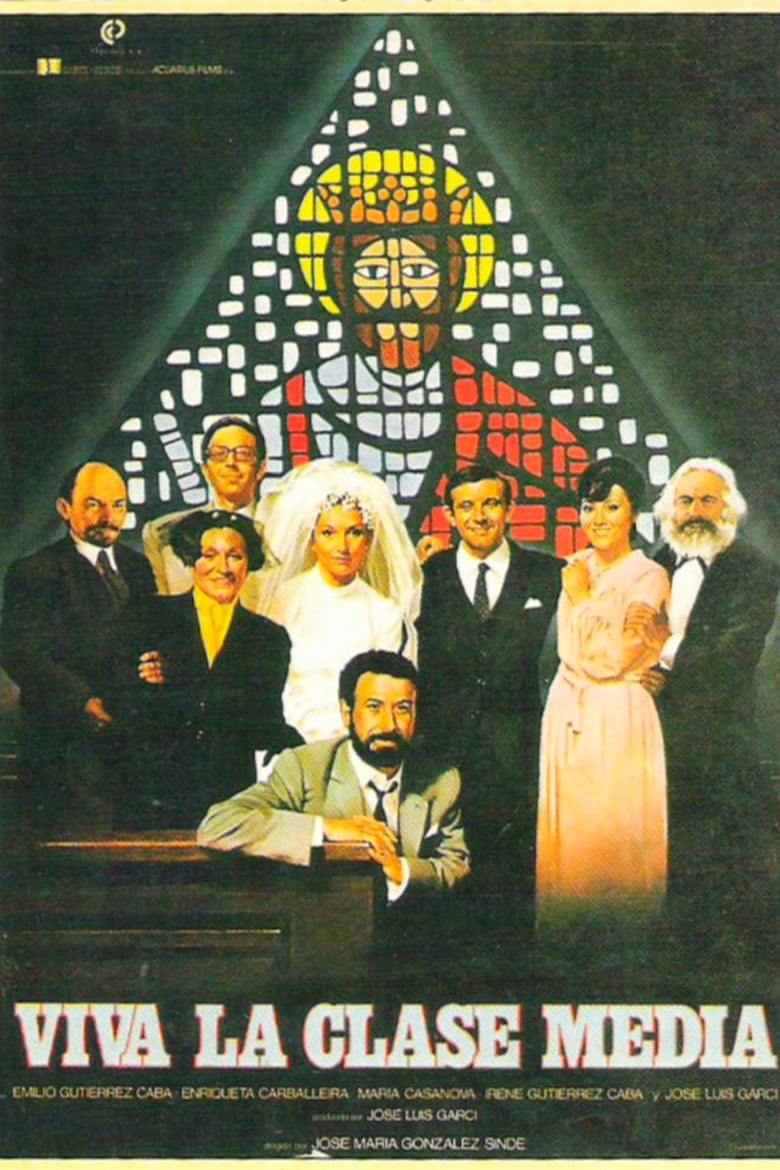
1980
Director
José María González Sinde
Runtime
96 minutes
Average Rating
No ratings yetSynopsis
Drama based on the true life of a group of middle class and members of the Communist Party of Spain, who were involved in clandestine political activities during the sixties.
Overall Score
Fair
Category Breakdown
LGBTQ+ Representation
The film centers on 1960s clandestine political movements. While these underground subcultures often challenged social rigidity, there is no explicit evidence of non-cisnormative identities or same-sex intimacy.
Gender Representation
Women in this era often balanced domestic roles with high-stakes political labor. The narrative suggests women navigated significant agency and risk within the party structure, disrupting traditional hierarchies.
Racial & Ethnic Diversity
As a period piece focused on the Spanish middle class, the cast appears ethnically homogeneous. There is no evidence of significant racial or non-Anglo-Saxon diversity within this historical framework.
Religious & Cultural Diversity
The film prioritizes anti-authoritarian themes by centering on the Communist Party. It frames the struggle against the state apparatus as a central moral driver, critiquing established conservative norms.
Disability Representation
There is no specific evidence regarding the inclusion or portrayal of characters with physical or neurodivergent disabilities in this historical drama.
Strengths
Areas for Improvement
AI Analysis
The film serves as a socio-political critique of the Francoist era rather than a study of modern intersectional identity. It finds its progressive value in historical revisionism, highlighting the organized resistance of the middle class against state authority. While the narrative disrupts conventional historical tropes by centering on systemic opposition, it lacks modern markers of demographic diversity. The focus remains on the friction between private domesticity and public political struggle.
1996
1991
2003

1968

1976
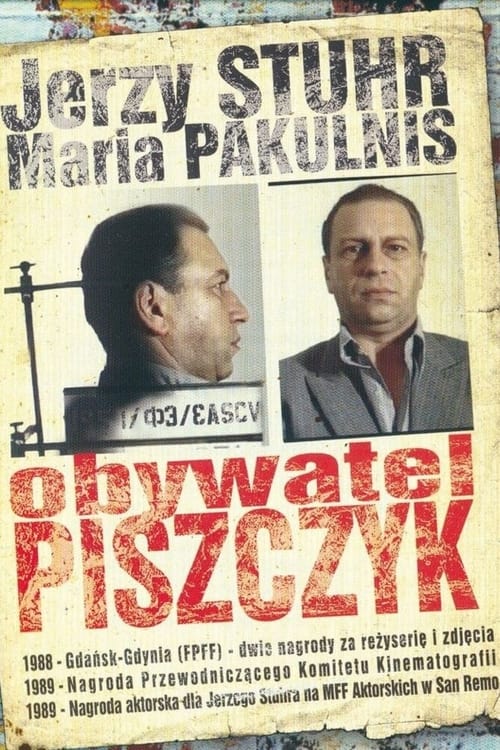
1989
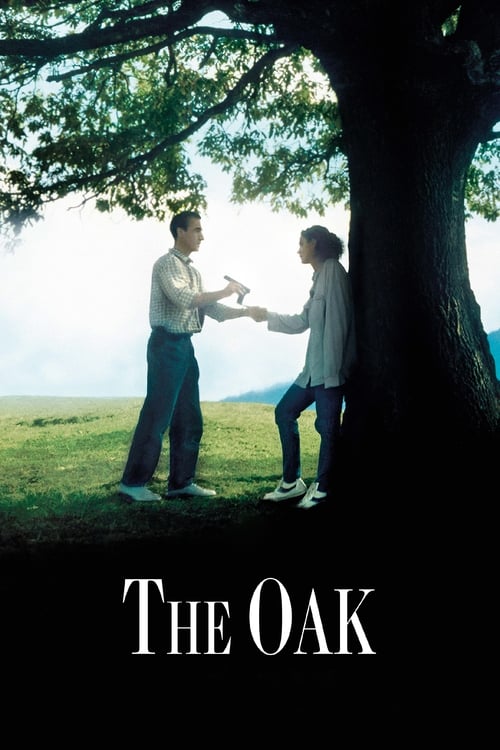
1992

1999

1989
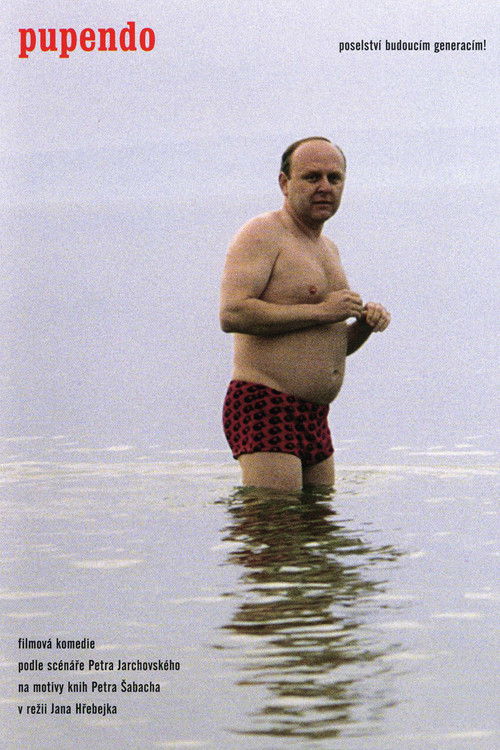
2003
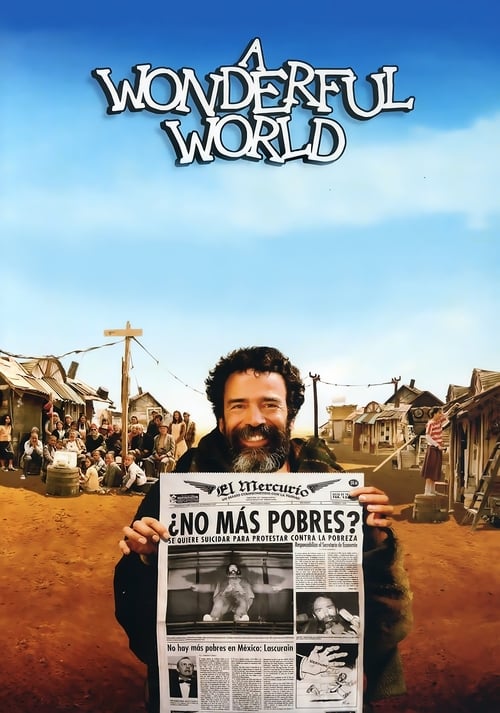
2006

1993
No reviews yet. Be the first to share your thoughts on this movie!
Use the rating form above to leave a star rating and optional review.