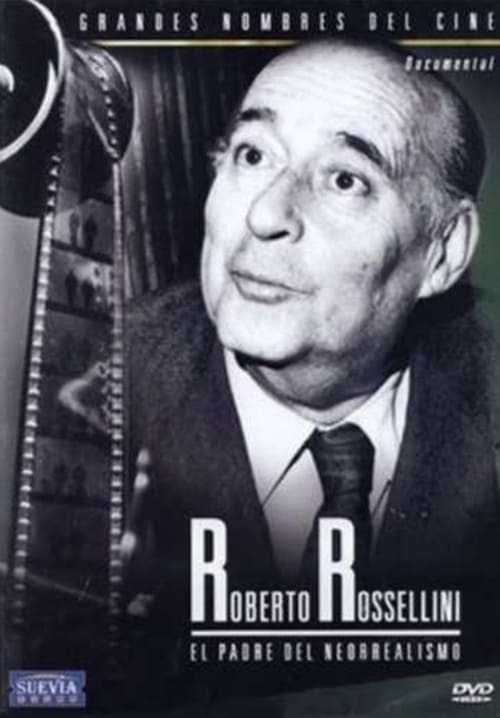
Roberto Rossellini: Fragments and Jokes
2001
No user ratings available yet
Representation score: 2.1 out of 10
Representation Score
Fair
2002
Director
Carlo Lizzani
Runtime
60 minutes
Average Rating
No ratings yetNew Showbiz Analysis
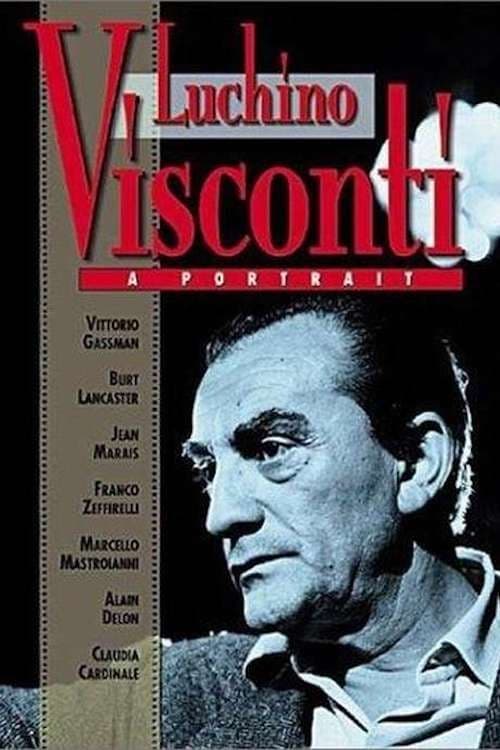
This documentary offers a sophisticated look at Luchino Visconti, focusing on his identity and political changes rather than a traditional biography. It emphasizes queer identity and class struggle as central themes. However, the film's geographical and racial focus limits its broader cultural representation. Its narrow historical scope means it lacks ethnic diversity. Overall, the film is a specialized study that prioritizes a deep, analytical exploration of Visconti's identity and artistic output over broad demographic representation.
Category Breakdown
The documentary highlights Visconti's queer identity as a key factor in his artistic development. It presents a detailed look at his personal life and relationships.
Women in the film are shown through their roles both professionally and personally in relation to Visconti. The movie explores complex power dynamics rather than relying on simple stereotypes.
The subjects are predominantly white and Anglo-European, reflecting the specific socioeconomic milieu of the Italian aristocracy. It lacks significant racial or ethnic breadth.
The film effectively examines systemic power and the conflict between inherited privilege and political beliefs. It uses a Marxist perspective to critique capitalist systems.
There is no significant depiction of visible or invisible disabilities in this biographical context.
Present on Screen
Limited or Absent
Official Synopsis
A chronological look at the creative life of Luchino Visconti (1906-1976). It examines his theatricality, role in the neorealist movement, use of melodrama, and relation to decadence. It touches on the impact of a fabulously wealthy childhood, his writing for "Cinema," his politics, his work with Renoir, his appreciation of Thomas Mann, and his deep knowledge of literature and the arts. Visconti moves constantly between film and the theater, staging plays provocatively, working with Maria Callas at La Scala, and shooting films in theaters. Clips from his films and interviews with actors, crew members, and critics provide details for this portrait of creativity.
2001
2022
2001
2018

2003
2021
2000
2023
No reviews yet. Be the first to share your thoughts on this movie!
Use the rating form above to leave a star rating and optional review.