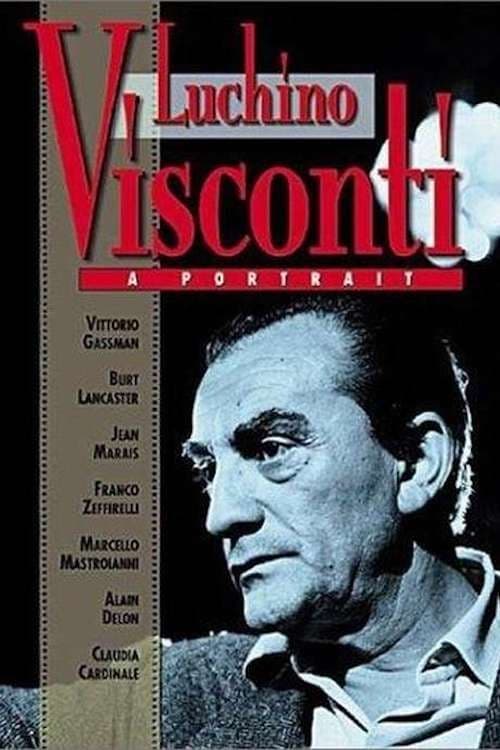
Luchino Visconti
2002
No user ratings available yet
Representation score: 5.3 out of 10
Representation Score
Limited
2001
Director
Carlo Lizzani
Runtime
64 minutes
Average Rating
No ratings yetNew Showbiz Analysis
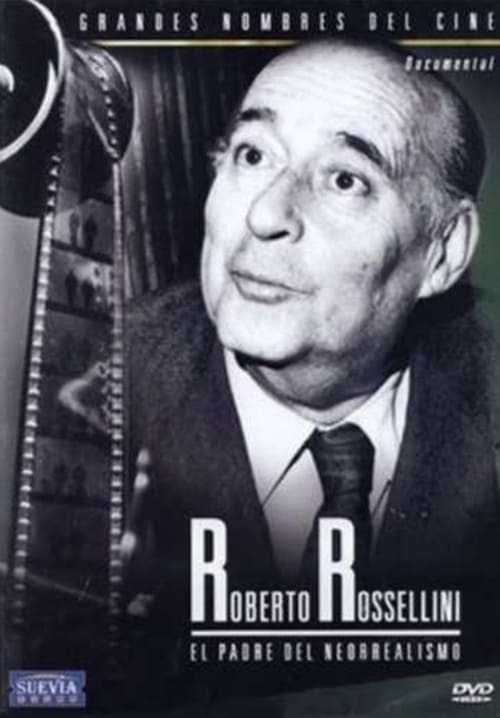
This documentary serves as a scholarly look at Roberto Rossellini and the development of Italian Neorealism. Given its historical and geographic focus, the content is naturally limited. The film offers insights into class hierarchies and post-war economic instability but does not include modern characters who reflect more than one aspect of diversity. Instead, it focuses on the localized Italian experience and the male-dominated history of cinema. Ultimately, the work functions more as a historical record than a platform for diverse modern identities, prioritizing the artistic legacy of a single auteur over broad social representation.
Category Breakdown
The documentary focuses on the professional journey of Rossellini. There are no explicit LGBTQ+ narratives or non-conforming gender identities in the main storyline.
The film centers on the life of a male filmmaker. It touches on post-war economic conditions but maintains a male-focused perspective.
The subject matter is rooted in the European post-war experience. The focus is on the Italian Neorealist movement rather than a multi-ethnic cast.
The film examines critiques of traditional power structures. It looks at systemic poverty and the failures of fascism through the lens of Neorealism.
There is no depiction of characters or subjects with visible or invisible disabilities. Mental health and neurodivergence are not central to the narrative.
Present on Screen
Limited or Absent
Official Synopsis
Documentary about master director Roberto Rossellini, who tells details of his life and childhood and visits the places where he has lived and shot some of his most famous movies.
2002
2008
1984
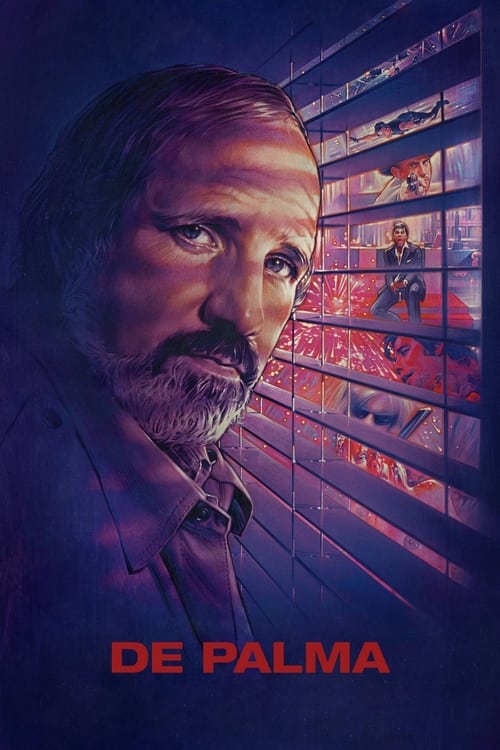
2016
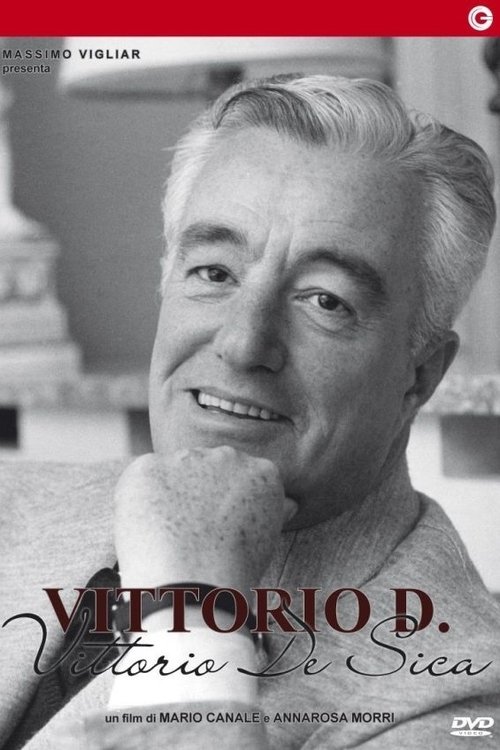
2009
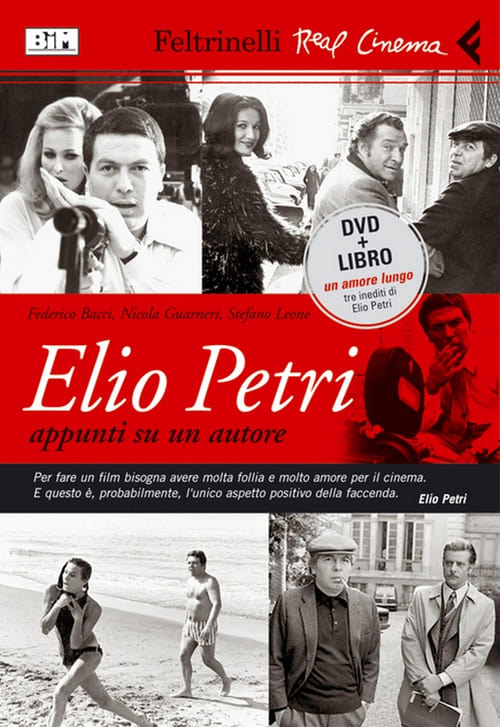
2005
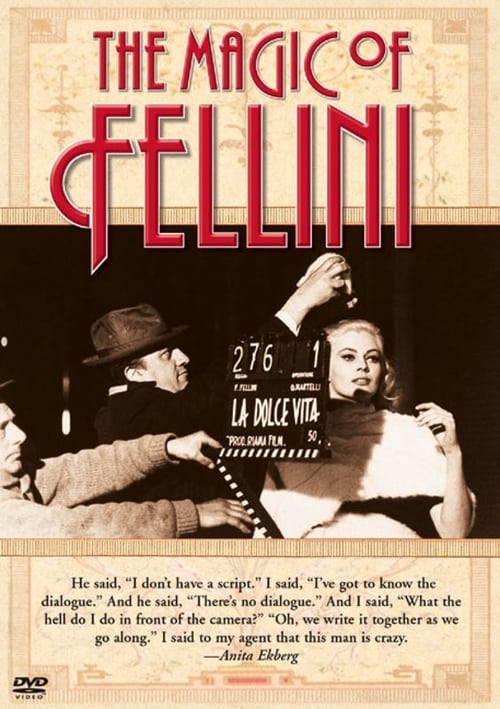
2002
1968
No reviews yet. Be the first to share your thoughts on this movie!
Use the rating form above to leave a star rating and optional review.