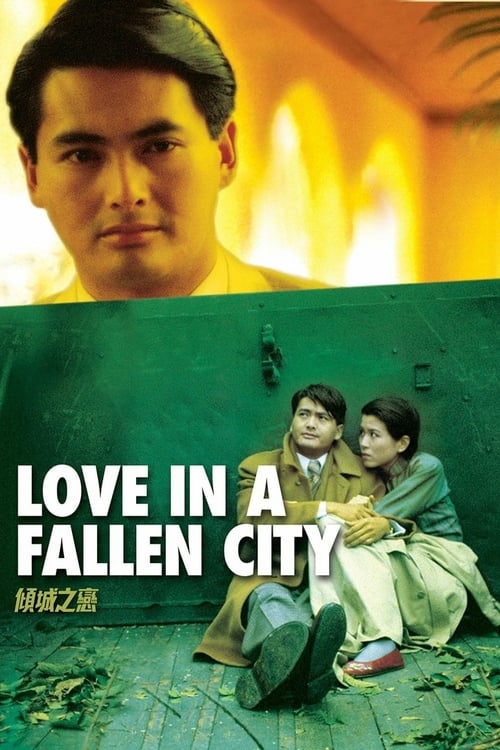
Love in a Fallen City
1984
No user ratings available yet
Representation score: 3.9 out of 10
Representation Score
Limited
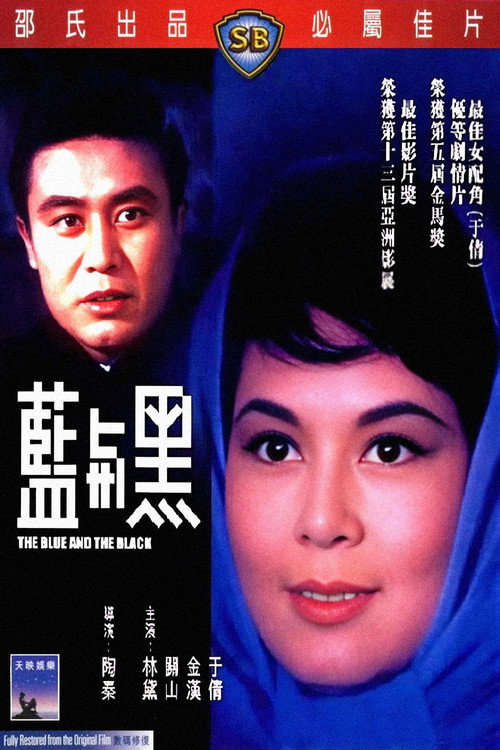
1966
Director
Doe Ching
Runtime
118 minutes
Average Rating
No ratings yetNew Showbiz Analysis
The film is a culturally significant period piece that centers Chinese identity during a crucial historical moment. It successfully provides a non-Western perspective through a localized historical lens, which is noteworthy for its time. However, the film lacks complexity in addressing multiple aspects of identity. The narrative structure seems confined by the traditional formulas of 1930s wartime melodrama, which often prioritize conventional romance and social norms over progressive alternatives.
Category Breakdown
The film adheres to 1960s romantic drama conventions, focusing on heterosexual relationships. There is no indication of non-binary gender identities or critiques of heteronormativity.
Featuring Linda Lin Dai, the film highlights a strong female protagonist. However, the wartime context might limit her influence through traditional stereotypes of feminine sacrifice.
The story focuses on the Chinese experience during the Japanese occupation of Tientsin. This offers a localized viewpoint that counters a Western-centric cinematic perspective.
The melodrama emphasizes patriotism and the sanctity of the family unit. It aligns with traditional values of loyalty and cultural preservation during wartime.
The narrative does not mention characters dealing with physical or neurodivergent disabilities.
Present on Screen
Limited or Absent
Official Synopsis
It's a powerful melodrama about a thwarted romance in 1930s Tientsin, China, during the Japanese occupation, and it stars Linda Lin Dai, one of the era's most popular stars. It was part of Golden Horse's 100 Greatest Chinese-Language Films.
1984
1932
1966
1954
1958
1955
1965
1957
No reviews yet. Be the first to share your thoughts on this movie!
Use the rating form above to leave a star rating and optional review.