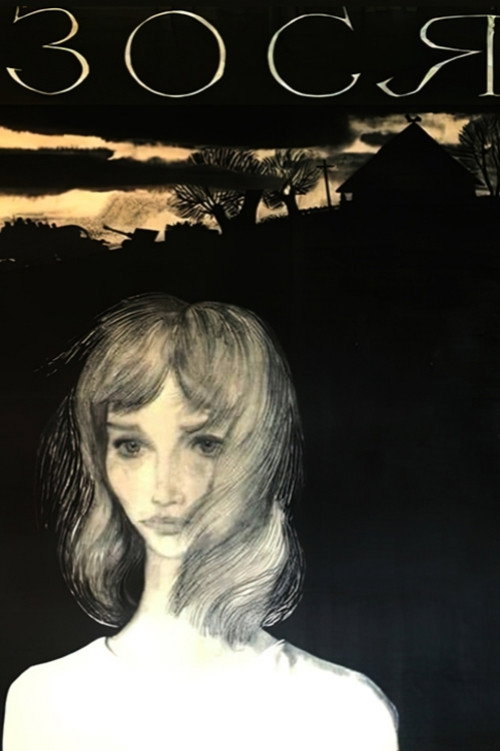
Zosya
1967
No user ratings available yet
Representation score: 5.0 out of 10

Representation Score
Limited
1943
Director
Boris Ivanov, Aleksandr Stolper
Runtime
90 minutes
Average Rating
No ratings yetNew Showbiz Analysis
Wait for Me is a wartime romance that emphasizes nationalistic cohesion and traditional romantic themes. It reflects the specific historical context of the Soviet era, focusing on the collective struggle during that time. The film relies on established social hierarchies and mid-century dramatic realism. Instead of exploring diverse identities, the narrative upholds the social and demographic norms of 1943. Ultimately, the work strengthens national identity through a lens of duty and patriotism, with little room for disrupting traditional social structures.
Category Breakdown
The film follows traditional heterosexual romantic structures typical of 1940s Soviet cinema. There is no indication of non-straight identities or same-sex relationships.
Women are portrayed through the archetype of the 'waiting woman,' highlighting emotional endurance. These roles give women a significant presence but reinforce traditional gender roles and domestic loyalty.
The casting likely reflects a homogeneous Slavic population consistent with the era's demographics. The narrative does not use diverse ethnic casting for social commentary.
The story is rooted in collectivist values and state-aligned patriotism. Love is framed through national survival and communal stability rather than individualistic rebellion.
There is no documented evidence regarding the inclusion or portrayal of characters with visible or invisible disabilities.
Present on Screen
Limited or Absent
Official Synopsis
A story of true love set during the WWII.
1967
1957
2015
1958
2012

1959
1957
1993
No reviews yet. Be the first to share your thoughts on this movie!
Use the rating form above to leave a star rating and optional review.