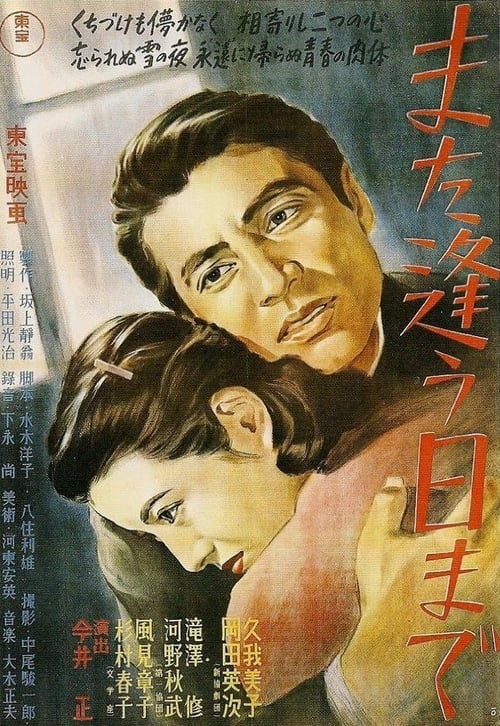
Till We Meet Again
1950
No user ratings available yet
Representation score: 6.0 out of 10
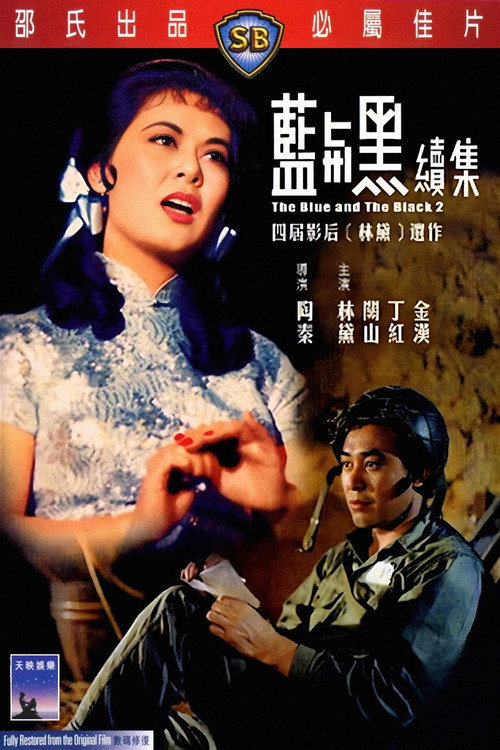
Representation Score
Limited
1966
Director
Doe Ching
Runtime
116 minutes
Average Rating
No ratings yetNew Showbiz Analysis
The film is a classic mid-century regional romantic drama centered on traditional themes of love and wartime struggle. It adheres to the social and cultural norms of 1960s cinema, prioritizing historical continuity and traditional romantic reunions over subversive storytelling. While the production provides a non-Western perspective through its East Asian cast and cultural setting, it lacks the complexity of intersecting identities. The narrative architecture reinforces established gender and cultural norms rather than challenging them.
Category Breakdown
The film does not explicitly show any non-traditional gender identities or same-sex relationships. It follows the typical straight-focused romantic structures common in 1960s wartime dramas.
Despite having prominent female leads like Linda Lin Dai, the characters seem to fit into traditional gender roles of the time, often defined by their relationships with men. The narrative follows the gendered archetypes typical of the era.
The cast and setting are mainly East Asian, reflecting the homogeneous ethnic makeup of the Taiwanese film industry. There is no indication of intentional racial blending or casting actors of different backgrounds.
Set during wartime, the story emphasizes patriotism, sacrifice, and traditional values. It focuses on legacy and historical continuity rather than challenging established cultural or familial hierarchies.
There is no mention of characters dealing with physical or neurodivergent disabilities. No representation of disabilities is present in the narrative.
Present on Screen
Limited or Absent
Official Synopsis
War and time change everything. Their love becomes more than reunion, it becomes a reckoning with what was and what could've been. Part two of the wartime love story.
1950
1958
1966

1955
1974
1965
1966

1958
No reviews yet. Be the first to share your thoughts on this movie!
Use the rating form above to leave a star rating and optional review.