Yanks
1979
No user ratings available yet
Representation score: 2.9 out of 10
Representation Score
Minimal
1958
Director
Ralph Thomas
Runtime
115 minutes
Average Rating
No ratings yetNew Showbiz Analysis
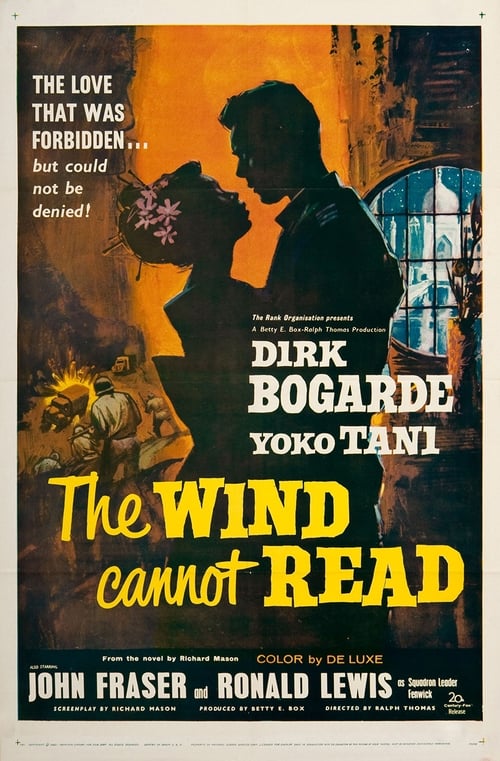
This film occupies a transitional period in mid-century cinema. It avoids harmful racial stereotypes by giving a Japanese character depth and ability to act, using a cross-cultural romance to challenge wartime xenophobia. However, the film stays within the confines of the era's social norms, maintaining traditional gender roles and Western patriotic values, which limits its potential for a more progressive score. Ultimately, while it questions the binary of ally versus enemy, the narrative structure remains tied to the rigid hierarchies of the 1950s.
Category Breakdown
The film follows the social norms of its time and does not depict non-assuming gender matches what was assigned at birth identities or same-sex relationships.
The story is set within a patriarchal military structure where the female lead's role is defined by her relationship to the male protagonist, despite her intellectual capabilities.
The film features a Japanese woman in a prominent role, challenging typical enemy caricatures. However, it does not address broader issues of colonialism or wartime power dynamics.
The story is grounded in traditional Western wartime values such as patriotism and duty, without much exploration of moral relativism or critiques of Western institutions.
The film does not include any central characters with neurodivergence, physical disabilities, or chronic illnesses.
Present on Screen
Limited or Absent
Official Synopsis
A British officer falls in love with his Japanese instructor at a military language school. They start a romance, but she is regarded as the enemy and is not accepted by his countrymen.
1979
1954
1984
1957

1957
1955
1933
1958
No reviews yet. Be the first to share your thoughts on this movie!
Use the rating form above to leave a star rating and optional review.