Andy Hardy's Blonde Trouble
1944
No user ratings available yet
Representation score: 0.4 out of 10
Representation Score
Minimal
1941
ApprovedDirector
Glenn Tryon
Runtime
60 minutes
Average Rating
No ratings yetNew Showbiz Analysis
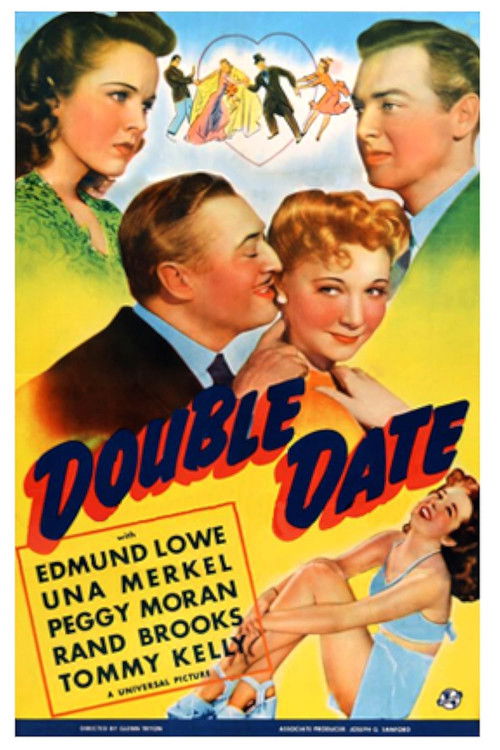
Double Date is a conventional 1940s romantic comedy. It follows two teenagers trying to stop their relatives from marrying. The film reflects the social norms of its time, emphasizing courtship, family approval, and traditional gender expectations. There is no representation of LGBTQ+ identities, racial minorities, or disabilities. The story treats marriage and social propriety as positive goals. While charming for fans of classic Hollywood rom-coms, it offers no progressive representation or challenge to traditional hierarchies. Evidence for this assessment is thin due to the film’s obscurity; scores are based on available synopsis and era-typical patterns.
Category Breakdown
No LGBTQ+ characters appear in the film. The story focuses exclusively on heterosexual romance between the two teenage leads and their older relatives.
Men and women follow traditional 1940s roles. The plot centers on courtship and social expectations, with women navigating romantic rules rather than driving independent action.
The cast is entirely white. No characters of color appear in prominent or background roles within the story.
The film promotes traditional family values and social propriety. Conflicts resolve through honesty and personal responsibility, reinforcing conventional Western norms without critique.
No characters with physical or mental disabilities appear in the film.
Present on Screen
Limited or Absent
Official Synopsis
Penny Kirkland's aunt and Jerry Baldwin's widowed father are attracted to each other. Preventing the pending marriage of the father and the aunt becomes a purpose in life for the two teenagers.
1944
1938
1940
1947
1949
1942
1951

1944
No reviews yet. Be the first to share your thoughts on this movie!
Use the rating form above to leave a star rating and optional review.