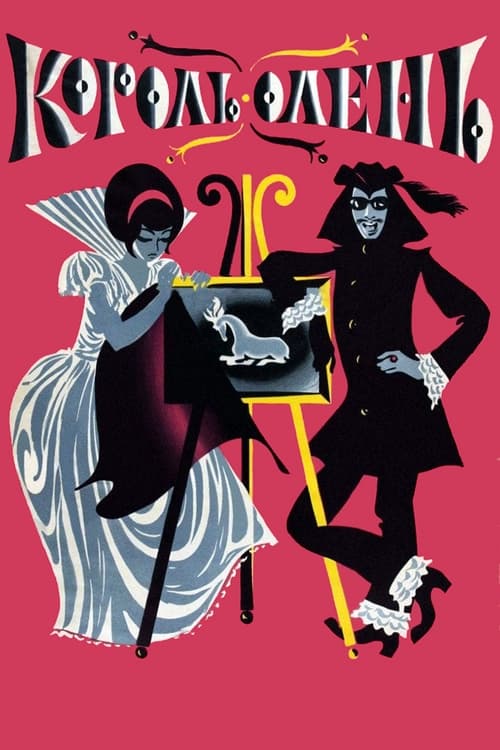
King Stag
1970
No user ratings available yet
Representation score: 2.7 out of 10
Representation Score
Limited
1987
Director
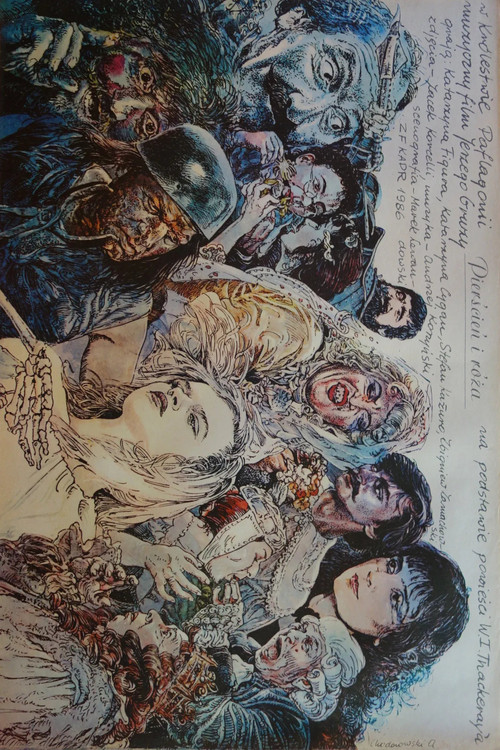
Jerzy Gruza
Runtime
99 minutes
Average Rating
No ratings yetNew Showbiz Analysis
The film operates as a traditional fairy-tale comedy, relying heavily on established archetypes of royalty and romantic pursuit. Its narrative centers on the relationship between physical beauty and social standing through the motif of a magical ring. While the film offers some subversion through character empowerment and satirical elements, it lacks systemic efforts to include diverse identities. The world-building remains within a conventional, homogeneous European fantasy framework. Ultimately, the production prioritizes genre-based storytelling and whimsical satire over disrupting social hierarchies or representing diverse lived experiences.
Category Breakdown
The film follows traditional romantic structures centered around heterosexual relationships. Central romantic tensions, such as Rózia's unrequited crush on Prince Bulba, do not include LGBTQ+ identities.
Male figures drive the political plot, while Princess Angelika gains power through a physical transformation. Rózia adds emotional depth but the power dynamics remain conventional.
The setting reflects a homogeneous European aesthetic typical of 1980s folklore. There are no non-white characters or racial blending in this fantasy kingdom.
The story is rooted in Western fairy-tale traditions and monarchical structures. It uses comedic elements to potentially critique courtly etiquette without challenging the institution of monarchy.
There is no evidence of permanent disabilities or neurodivergence. Lulejko’s fever is presented as a temporary medical condition rather than a lasting one.
Present on Screen
Limited or Absent
Official Synopsis
A messenger of King Padella arrives at the castle of King Valoroz XXIV of Paflagonia. He announces the arrival of Prince Bulba, who wants to ask for the hand of Princess Angelica. Lulejko, Valoroz's nephew and rightful ruler, lies in a fever. He is cared for by his maid Rózia, who secretly has a crush on the prince. But he is already engaged to Angelika, so he does not understand Bulba's efforts to win her hand. When Angelika throws away the ring she received from Luleika, it turns out that she owed the gem her beauty. Meanwhile, the ugly Gburia-Furia finds the ring.
1970
1970
1997
1975
1971
1997
1982
1994
No reviews yet. Be the first to share your thoughts on this movie!
Use the rating form above to leave a star rating and optional review.