I Are You, You Am Me
1982
No user ratings available yet
Representation score: 5.3 out of 10
Representation Score
Limited
2016
Director
Kemal Palevi
Runtime
87 minutes
Average Rating
No ratings yetNew Showbiz Analysis
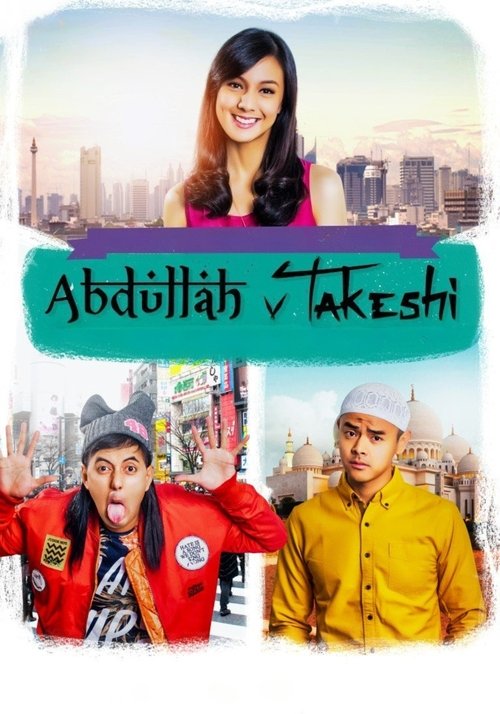
Abdullah & Takeshi employs a high-concept premise to explore the complexities of overlapping identities and globalized culture. By separating biological heritage from cultural upbringing, the film challenges traditional views of ethnicity and highlights how environment shapes individuals. The film's strength lies in its ability to challenge conventional expectations of ethnic boundaries. It provides a nuanced look at how identity is shaped in an interconnected society, emphasizing fluid human connections over rigid lineage. However, the narrative focus remains narrow, centering primarily on the male protagonists. The lack of representation for LGBTQ+ identities and disabilities limits the scope of its social exploration.
Category Breakdown
The film does not include any LGBTQ+ characters or narratives. There is no mention of non-straight relationships or identities.
The story focuses on the growth of two male protagonists and their shared childhood experiences. It does not explicitly challenge gender hierarchies or roles.
The film intentionally blends different racial backgrounds by placing Arab and Japanese characters in swapped domestic settings to challenge ethnic homogeneity.
The film explores cultural perspectives by presenting Arab and Japanese frameworks as equally valid. It examines identity through social interactions rather than religious beliefs.
There is no depiction of physical or neurodivergent disabilities in the film. The narrative does not address disability representation.
Present on Screen
Limited or Absent
Official Synopsis
A story of two boys who were born in a hospital in Japan and exchanged. The baby from the Arab descent was raised by a Japanese family and named Takeshi, while the baby of Japanese descent was raised by the Arab family and named Abdullah.
1982
1988
1995

2007
2017

2012

2003

1984
No reviews yet. Be the first to share your thoughts on this movie!
Use the rating form above to leave a star rating and optional review.