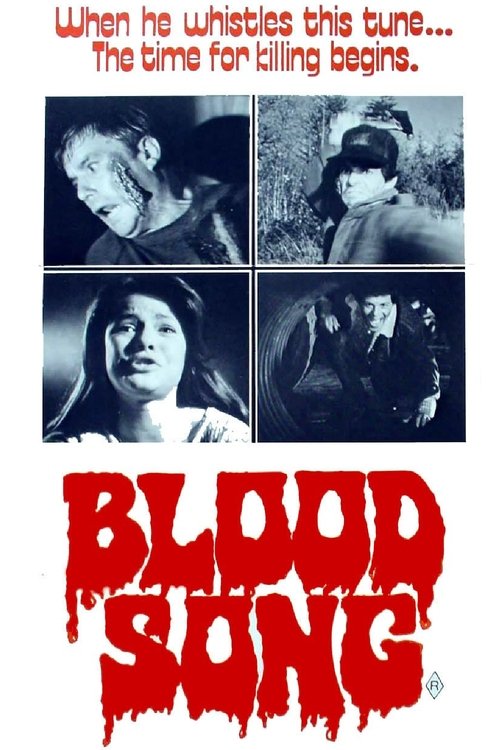
Blood Song
1982
No user ratings available yet
Diversity score: 2.9 out of 10

1989
RDirector
Monte Hellman
Runtime
90 minutes
Average Rating
No ratings yetSynopsis
Ricky Caldwell, the notorious 'Killer Santa Claus', awakens from a six-year coma after being kept alive on life-support by a slightly crazed doctor experimenting with ESP and other special abilities. Ricky targets a young, clairvoyant blind woman, named Laura, whom is traveling with her brother Chris, and his girlfriend Jerri to their grandmother's house for Christmas Eve, and Ricky decides to go after her, leaving a trail of dead bodies in his wake.
Overall Score
Limited
Category Breakdown
LGBTQ+ Representation
The film operates within a strictly heteronormative framework. Character dynamics focus on traditional romantic pairings, offering no presence of non-cisnormative identities.
Gender Representation
The narrative follows standard slasher archetypes where female characters are defined by their vulnerability. While the protagonist has unique abilities, she remains tied to traditional pursuit-and-victim dynamics.
Racial & Ethnic Diversity
The cast appears homogeneous, lacking any indication of racial blending or a diverse ensemble. The character groupings suggest a Western-centric focus without significant ethnic variety.
Religious & Cultural Diversity
Christmas serves as a backdrop for horror rather than a subject of critique. The film uses the sanctity of the holiday to juxtapose violence without exploring secular or anti-capitalist themes.
Disability Representation
Laura is a blind woman with clairvoyant abilities, providing some sensory-based character depth. However, her disability primarily functions as a tool to heighten tension within the horror genre.
Strengths
Areas for Improvement
AI Analysis
Silent Night, Deadly Night III: Better Watch Out! is a conventional slasher that relies heavily on established genre tropes. It functions within traditional social structures, offering little to no disruption of mainstream expectations regarding identity or social hierarchies. The film's primary distinction is the inclusion of a character with a sensory disability. While this adds a layer of specialized agency through clairvoyance, the character's role is still largely defined by her vulnerability to the antagonist. Ultimately, the work lacks the intentionality needed to promote intersectional representation. It remains a product of its era, focusing on standard horror dynamics rather than challenging systemic norms of race, gender, or orientation.
1982
1990
1987
1970
1980
1969
1982
1993
1975
1992
1981
2001
No reviews yet. Be the first to share your thoughts on this movie!
Use the rating form above to leave a star rating and optional review.