A Crack in the Floor
2001
No user ratings available yet
Diversity score: 2.7 out of 10
1996
Director
John A. Russo
Runtime
83 minutes
Average Rating
No ratings yetSynopsis
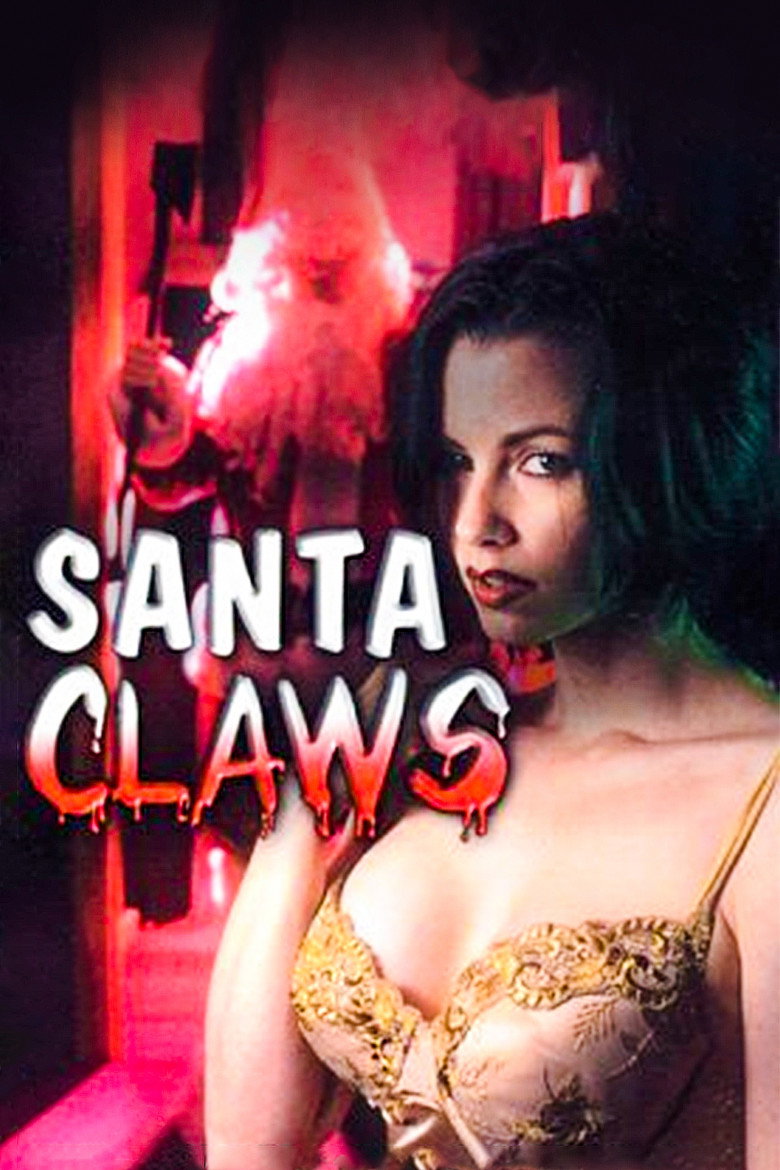
A young man finds his divorced mother having sex with a man in a Santa Clause hat and shoots them both dead. Years later, now thinking he is Santa Clause, the man develops an obsession with an erotic horror film star named Raven and begins stalking her.
Overall Score
Limited
Category Breakdown
LGBTQ+ Representation
The film lacks LGBTQ+ characters or non-cisnormative identities. The narrative focuses on a fractured heteronormative family unit, offering no queer agency or critiques of traditional social frameworks.
Gender Representation
Female characters primarily serve as objects of obsession or targets of violence. While the mother's infidelity disrupts the nuclear family, it functions as a horror catalyst rather than a subversion of gendered power.
Racial & Ethnic Diversity
The film utilizes a homogeneous cast typical of 1990s low-budget horror. There is no evidence of significant racial blending or non-white characters driving the narrative.
Religious & Cultural Diversity
Christmas and Santa Claus iconography are used as stylistic tools for horror irony. The film does not engage in meaningful critiques of Western institutions or organized religion.
Disability Representation
The protagonist's severe psychological instability is framed through the lens of a horror antagonist. This depiction serves as a plot device for terror rather than a nuanced exploration of mental health.
Strengths
Areas for Improvement
AI Analysis
Santa Claws is a standard genre exercise that reinforces traditional horror tropes and demographic homogeneity. It prioritizes suspense and shock over the disruption of social or cultural hierarchies, adhering to the established cinematic patterns of the mid-90s slasher era. The film lacks intentionality regarding intersectional representation. Its narrative structure relies on conventional archetypes, focusing on individual psychological trauma and visceral thrills rather than progressive subversion or diverse perspectives. Ultimately, the production functions as a typical exploitation-style horror film. It maintains a narrow demographic focus and utilizes religious symbols merely as aesthetic backdrops for its slasher-style violence.
2001
1993
1979
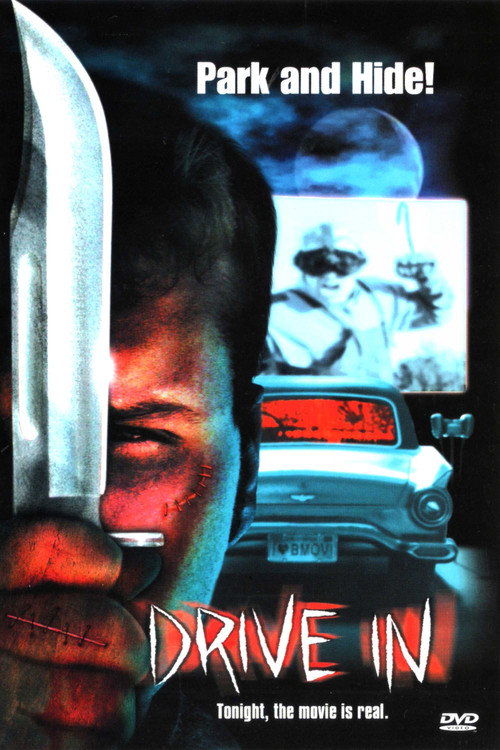
2000
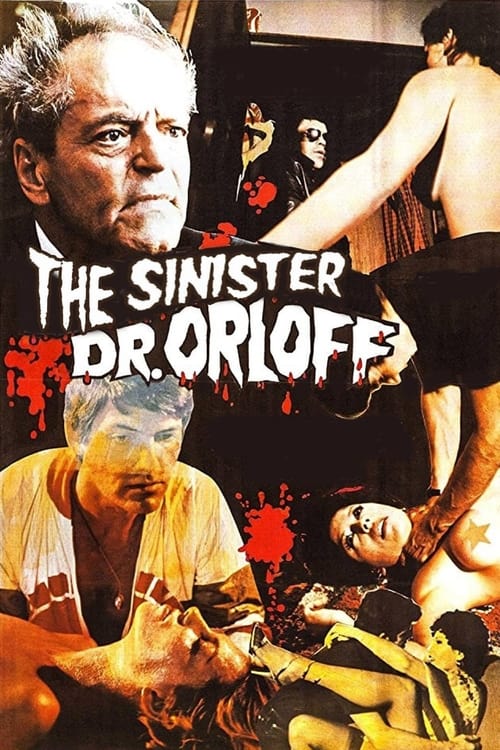
1984

1987
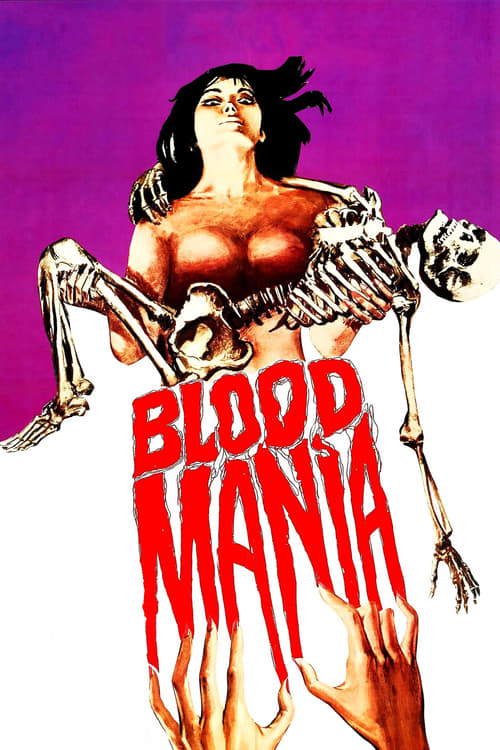
1970
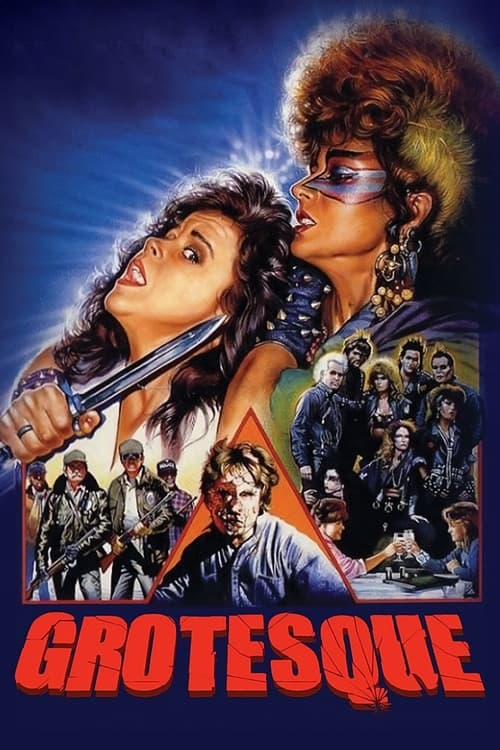
1988
1979

1970
1977
2011
No reviews yet. Be the first to share your thoughts on this movie!
Use the rating form above to leave a star rating and optional review.