
Class Act
1992
No user ratings available yet
Representation score: 2.6 out of 10
Representation Score
Limited
1994
PGDirector
Alan Metter
Runtime
85 minutes
Average Rating
No ratings yetNew Showbiz Analysis
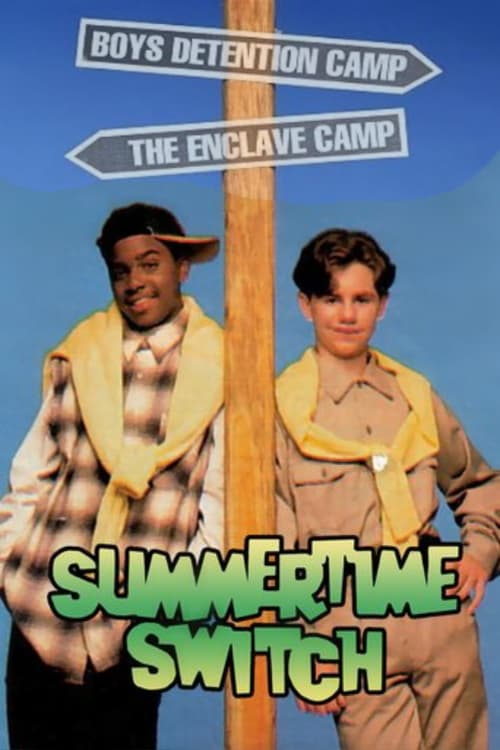
Summertime Switch operates within the conventional structures of 1990s family comedies. It prioritizes a class-based 'fish-out-of-water' framework to create comedic conflict and deliver moral lessons. The film relies on established social hierarchies without challenging them. The central tension between a 'troublemaker' and a 'spoiled rich kid' reinforces traditional values of personal reform and social responsibility. Overall, the production lacks intentional consideration of multi-layered identities. It serves as a typical moralistic tale centered on male protagonists and socio-economic themes.
Category Breakdown
The film does not include any explicitly LGBTQ+ characters or non-cisgender identities. The narrative focuses solely on class-based themes without addressing queer relationships or identities.
The story centers around two male protagonists. There are no female characters with significant roles or challenges to traditional gender roles.
The plot highlights a socio-economic divide between juvenile detention and elite vacations. There is no representation of diverse racial backgrounds or multi-layered identities.
The film follows traditional Western moral values. The narrative focuses on personal responsibility and life lessons rather than critiquing societal institutions.
There is no mention of characters with visible or invisible disabilities. No representation in this category exists in the narrative.
Present on Screen
Limited or Absent
Official Synopsis
For the summer, troublemaker Freddie Egan is being sent to a camp-style juvenile detention center, while spoiled rich-kid Frederick Egan III is going to a luxurious getaway for kids of the elite. Until a name mix-up at the bus-boarding area sends the boys to each other's destinations, and while Eddie gets a taste of the good life, Frederick has to deal with being without all his usual comforts. Eventually, they both learn some valuable life-lessons.
1992

1988

1972

1995

1995

1976

2000

1967
No reviews yet. Be the first to share your thoughts on this movie!
Use the rating form above to leave a star rating and optional review.