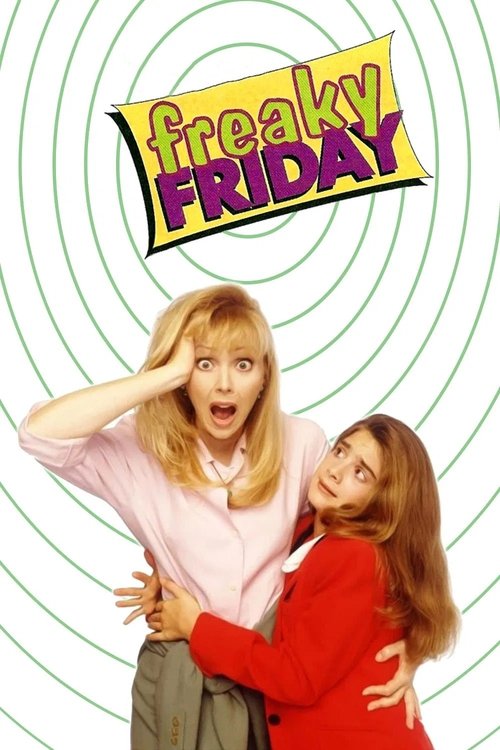
Freaky Friday
1995
No user ratings available yet
Representation score: 1.8 out of 10
Representation Score
Fair
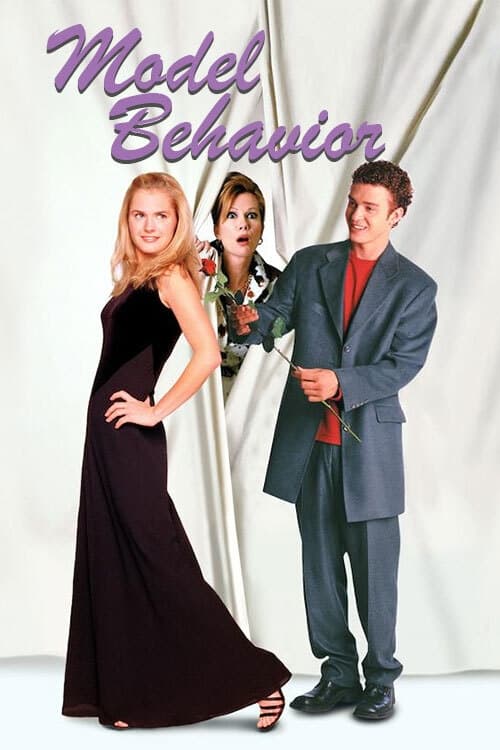
2000
TV-GDirector
Mark Rosman
Runtime
89 minutes
Average Rating
No ratings yetNew Showbiz Analysis
Model Behavior operates within the standard clichés of early-2000s teen dramas, focusing on individual psychological conflict rather than broader social commentary. While it avoids many systemic critiques, it finds a unique niche by subverting traditional gender roles. The film's primary strength lies in its departure from passive female archetypes, making the female lead the primary aggressor. However, the production remains limited by a lack of multi-layered depth, with a largely homogeneous cast and a lack of representation for LGBTQ+ identities or characters with disabilities.
Category Breakdown
The film does not feature any visible LGBTQ+ characters or narratives. It focuses on heterosexual relationships and social hierarchies among teenagers.
The narrative challenges traditional expectations by centering a female protagonist who displays aggressive and manipulative behavior, shifting away from passive female archetypes.
The cast appears relatively homogeneous, typical of early-2000s teen productions. There is no significant racial diversity or non-Anglo-Saxon majority.
The social dynamics revolve around adolescent delinquency and the breakdown of traditional authority, stemming from individual psychological issues rather than institutional critiques.
There are no characters with visible or invisible disabilities portrayed with ability to act. Psychological obsession is treated as a genre trait rather than neurodivergence.
Present on Screen
Limited or Absent
Official Synopsis
An ordinary high school girl and a top teen model decide to switch places after meeting and discovering they bear an uncanny resemblance.
1995
2017
2002
1996
2003

1995

1972
1976
No reviews yet. Be the first to share your thoughts on this movie!
Use the rating form above to leave a star rating and optional review.