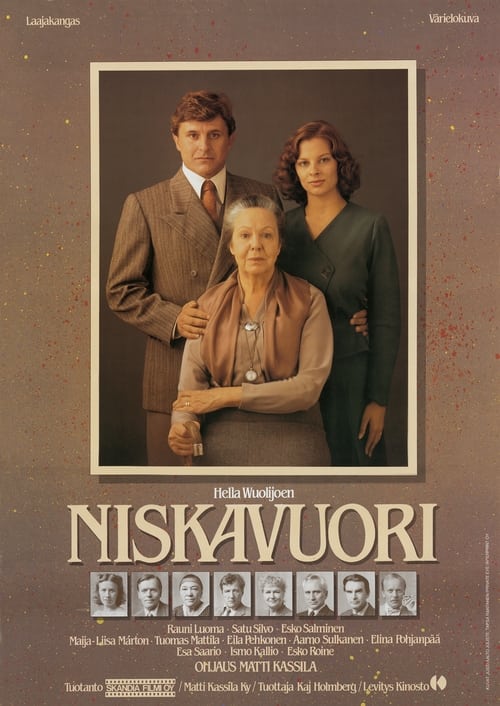
Niskavuori
1984
No user ratings available yet
Representation score: 1.7 out of 10
Representation Score
Minimal
1952
Director
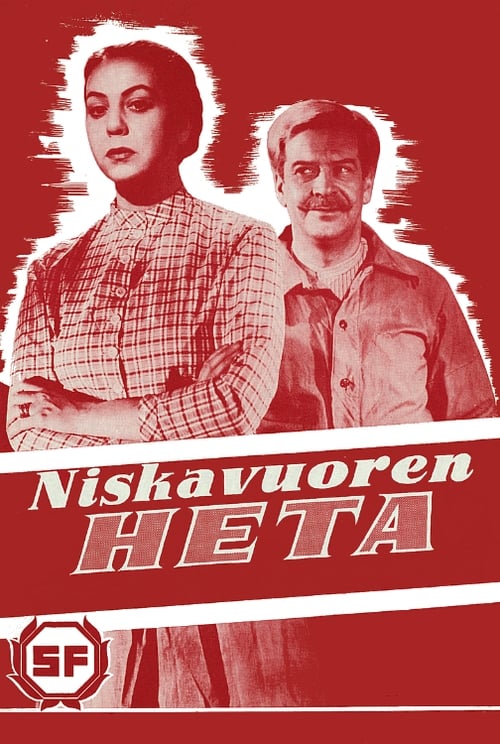
Edvin Laine
Runtime
95 minutes
Average Rating
No ratings yetNew Showbiz Analysis
Niskavuoren Heta is a period piece that reflects the social structures of mid-20th century Finland. While it avoids the passive female stereotypes common in mid-century melodramas by featuring a strong-willed woman, the film remains deeply conservative in its social outlook. The narrative structure revolves around traditional domestic hierarchies and agrarian values. It prioritizes family lineage and the sanctity of the farmstead, offering little room for social subversion or diverse identity representation. Ultimately, the film serves as a classic realist drama, capturing the demographic and cultural norms of its time without challenging the established social or gendered status quo.
Category Breakdown
The film follows a traditional heterosexual romance between Heta and Akusti. There are no representations of LGBTQ+ identities or narratives.
Heta is a strong-willed protagonist who drives the family's emotional journey. However, the story focuses on marriage and pregnancy, keeping it tied to traditional gender roles.
The setting reflects the homogeneous demographics of rural Finland in 1952. The cast mirrors the social constraints of mid-century Northern Europe.
The narrative emphasizes values of land, labor, and family continuity. It operates within a conventional social hierarchy, shown through the portrayal of a loyal servant.
There are no characters with visible or invisible disabilities. The story does not address neurodivergence or chronic illness.
Present on Screen
Limited or Absent
Official Synopsis
Heta, the strong-willed daughter of the Niskavuori family, who is pregnant, marries Akusti, a farmhand, and remains bitter toward Santeria, who broke her heart. Heta and Akusti begin their life together on the modest Muumäki farm, where they are assisted by their loyal maid Siipirikko.
1984

1950
1954

1953
1926

1930
1979

1920
No reviews yet. Be the first to share your thoughts on this movie!
Use the rating form above to leave a star rating and optional review.