
Heaven
2022
No user ratings available yet
Representation score: 3.7 out of 10
Representation Score
Good
2012
Director
Dibakar Banerjee
Runtime
120 minutes
Average Rating
No ratings yetNew Showbiz Analysis
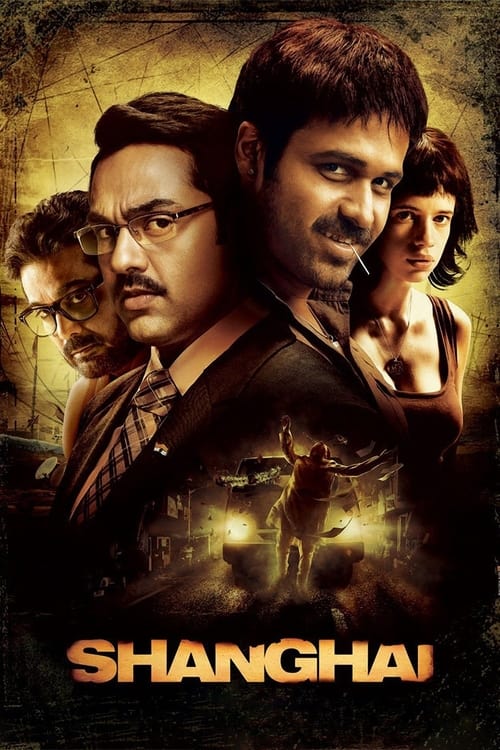
Dibakar Banerjee’s thriller is a sophisticated political noir that prioritizes ideological conflict over typical hero-villain clichés. It functions as a sharp critique of institutional integrity, portraying power structures as inherently transactional and compromised. The film achieves its greatest depth through cultural representation, using a postmodernist lens to deconstruct grand narratives and systemic corruption. This intellectual approach provides a level of sophistication that compensates for the lack of diverse identity-based storytelling. However, the film remains limited by its narrow focus on political ability to act. By centering the narrative on traditional power dynamics, it misses opportunities to include broader perspectives regarding gender, disability, and LGBTQ+ identities.
Category Breakdown
The film does not feature prominent LGBTQ+ characters or stories. Emotional connections and relationships stay within traditional social structures without being explicitly portrayed through a queer lens.
Women play important roles in high-stakes political and criminal settings but often operate on the periphery of male-dominated power struggles. They do not significantly challenge traditional gender hierarchies.
The film casts Indian actors to depict a historical Chinese setting. This narrative shift allows the film to explore themes of corruption beyond a single ethnic identity.
The film effectively critiques established institutions such as government and law. It portrays truth as a fluid concept, highlighting the instability of political and capitalist systems.
The film does not focus on visible or invisible disabilities. Characters are defined by political affiliations and socioeconomic status rather than physical or neurodivergent experiences.
Present on Screen
Limited or Absent
Official Synopsis
Prime leader of a campaign against a big government project is killed in what appears to be a road accident. An IAS officer is ordered to probe the incident and the veils of falsehood begin to drop.
2022

1979

2007
2015
2005
2025
2019

2002
No reviews yet. Be the first to share your thoughts on this movie!
Use the rating form above to leave a star rating and optional review.