
Gumnaami
2019
No user ratings available yet
Representation score: 3.6 out of 10
Representation Score
Minimal
2019
Not RatedDirector
Vivek Agnihotri
Runtime
144 minutes
Average Rating
No ratings yetNew Showbiz Analysis
The Tashkent Files operates as a traditional historical thriller focused on reclaiming national history. While it challenges official state narratives about Lal Bahadur Shastri, it does so through a lens that maintains conventional social structures rather than disrupting them. The film lacks progressive social values, focusing instead on political ability to act within established historical frameworks. This results in a narrow demographic scope that prioritizes a specific national identity over diverse representation. Ultimately, the work functions as a critique of institutional history through a conservative, nationalist lens, offering little in the way of gender, sexual, or disability diversity.
Category Breakdown
The film does not include any LGBTQ+ characters or stories about non-straight identities. It focuses on political intrigue and state-level conspiracy, sticking to traditional social structures.
The story emphasizes male-dominated hierarchies typical of mid-20th-century politics. It centers on male figures in positions of political authority and intelligence operations.
The story is centered on Indian political history and domestic figures. It reinforces a specific national identity rather than using diverse ethnic blending or color-blind casting.
The film prioritizes nationalist sentiment and traditional historical perspectives. It does not promote secularism or challenge traditional religious or family values.
There is no evidence of disability, neurodivergence, or chronic illness being used as significant character drivers within the narrative.
Present on Screen
Limited or Absent
Official Synopsis
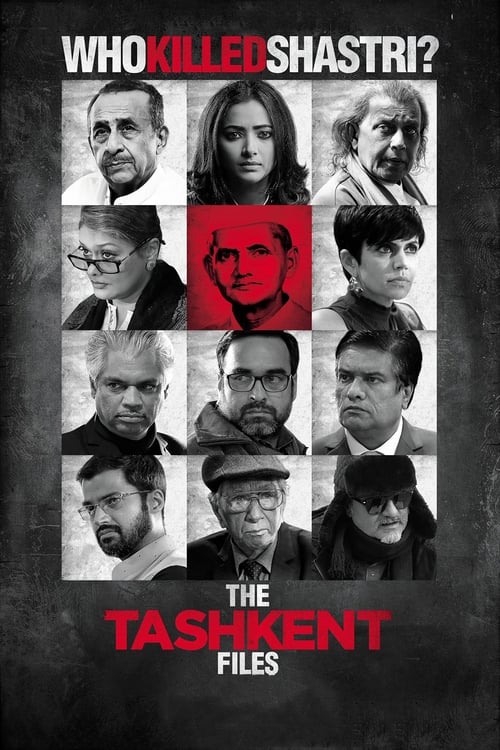
The Tashkent Files is a thriller that revolves around the mysterious death of India's 2nd Prime Minister Shri Lal Bahadur Shastri and attempts to uncover if he had actually died a natural death, or, as alleged, was assassinated.
2019

1979

2012

1972
2025

2005

2019
1998
No reviews yet. Be the first to share your thoughts on this movie!
Use the rating form above to leave a star rating and optional review.