Midnight Manhunt
1945
No user ratings available yet
Representation score: 0.4 out of 10
Representation Score
Minimal
1945
PassedDirector
A. Edward Sutherland
Runtime
70 minutes
Average Rating
No ratings yetNew Showbiz Analysis
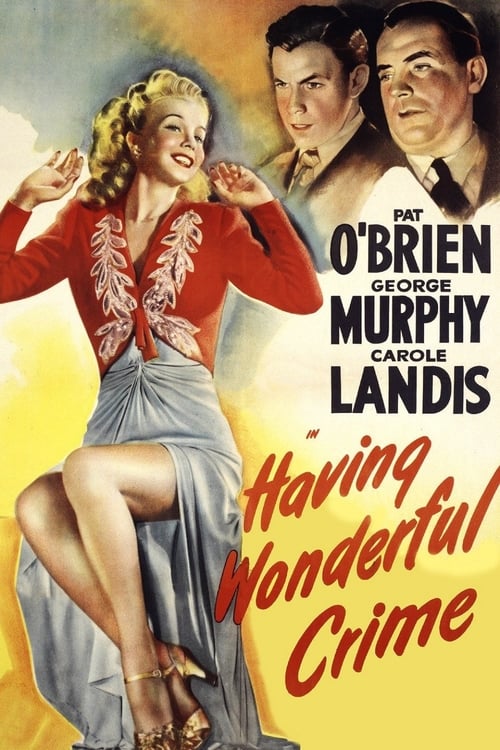
Having Wonderful Crime is a typical mid-century studio comedy that adheres to conventional romantic and professional storylines. It serves as light entertainment rather than a tool for social critique. The film’s narrative and cast reflect the homogeneous and traditional standards of the 1940s, offering limited representation of diverse identities.
Category Breakdown
The film does not include any LGBTQ+ characters or non-straight relationships. It focuses on a traditional married couple, aligning with the heterosexual norms of the time.
The movie features a female lead but positions her in supportive or domestic roles compared to the male characters. The traditional romantic storyline follows conventional gender roles.
The cast is primarily made up of white actors, reflecting the homogeneity typical of 1940s Hollywood productions. There is little diversity in the cast.
The film emphasizes traditional Western values and social stability, focusing on leisure activities and professional life without questioning established institutions like marriage.
There is no mention of physical or neurodivergent disabilities in the film. The plot does not involve any characters with such conditions.
Present on Screen
Limited or Absent
Official Synopsis
Newlyweds (George Murphy, Carole Landis) drag their lawyer friend (Pat O'Brien) to a mountain resort on a search for a missing magician.
1945
1941
1947
1934
1935
1944
1938
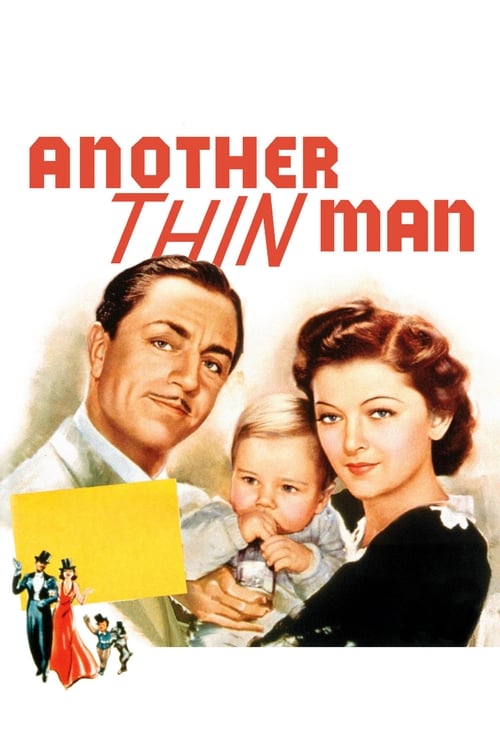
1939
No reviews yet. Be the first to share your thoughts on this movie!
Use the rating form above to leave a star rating and optional review.