Separate and Unequal
2014
No user ratings available yet
Representation score: 4.4 out of 10
Representation Score
Fair
1991
PGDirector
George Stevens Jr.
Runtime
186 minutes
Average Rating
No ratings yetNew Showbiz Analysis
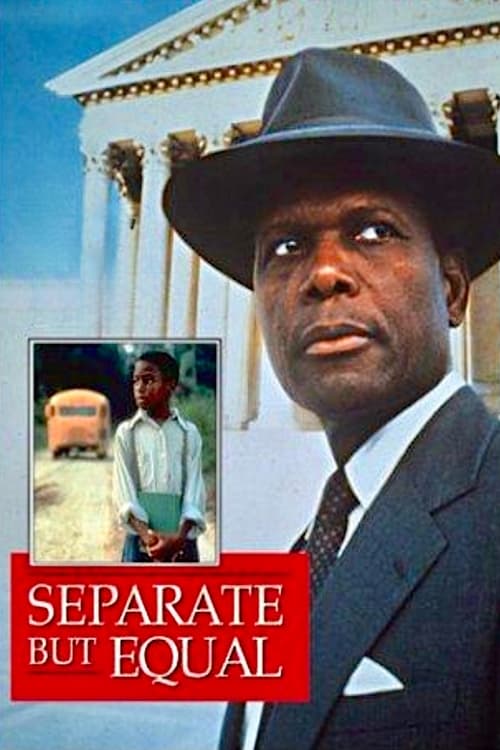
Separate But Equal is a sophisticated historical drama that uses the Brown v. Board of Education case to critique systemic racial hierarchies. It centers Black ability to act and deconstructs the perceived social order of the American South. The film's strength lies in its refusal to treat traditional institutional authority as a source of stability. Instead, it frames these structures as barriers to justice, aligning with progressive narrative frameworks. However, the film remains confined to the social constraints of its 1950s setting. This focus results in a lack of representation for LGBTQ+ identities and no significant focus on disability.
Category Breakdown
The film focuses solely on the racial and legal dimensions of the Civil Rights Movement. There is no depiction of non-straight or non-cisgender identities or queer undertones within the 1950s setting.
Black women, especially mothers and educators, are portrayed as key figures in the desegregation movement. The narrative emphasizes their intellectual and emotional contributions rather than depicting them as passive participants.
The film highlights the ability to act of African American historical figures and families. It challenges the 'white norm' by focusing on the Black experience and criticizing systemic oppression.
The narrative prioritizes the moral stance of the Black church and local social networks over the state-sanctioned Jim Crow laws. It presents integration as a necessary moral duty against corrupt institutions.
There is no significant portrayal of physical or neurodivergent disabilities as central narrative elements in this historical drama.
Present on Screen
Limited or Absent
Official Synopsis
A dramatization of the events of Brown vs. Board of Education, the American court case that destroyed the legal validity of racial segregation.
2014
1990

1998
1996
1993
1997
2002

2016
No reviews yet. Be the first to share your thoughts on this movie!
Use the rating form above to leave a star rating and optional review.