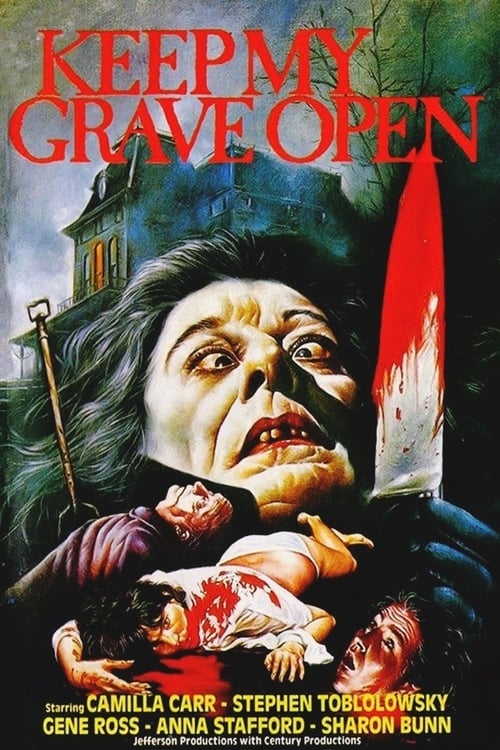
Keep My Grave Open
1977
No user ratings available yet
Diversity score: 4.8 out of 10
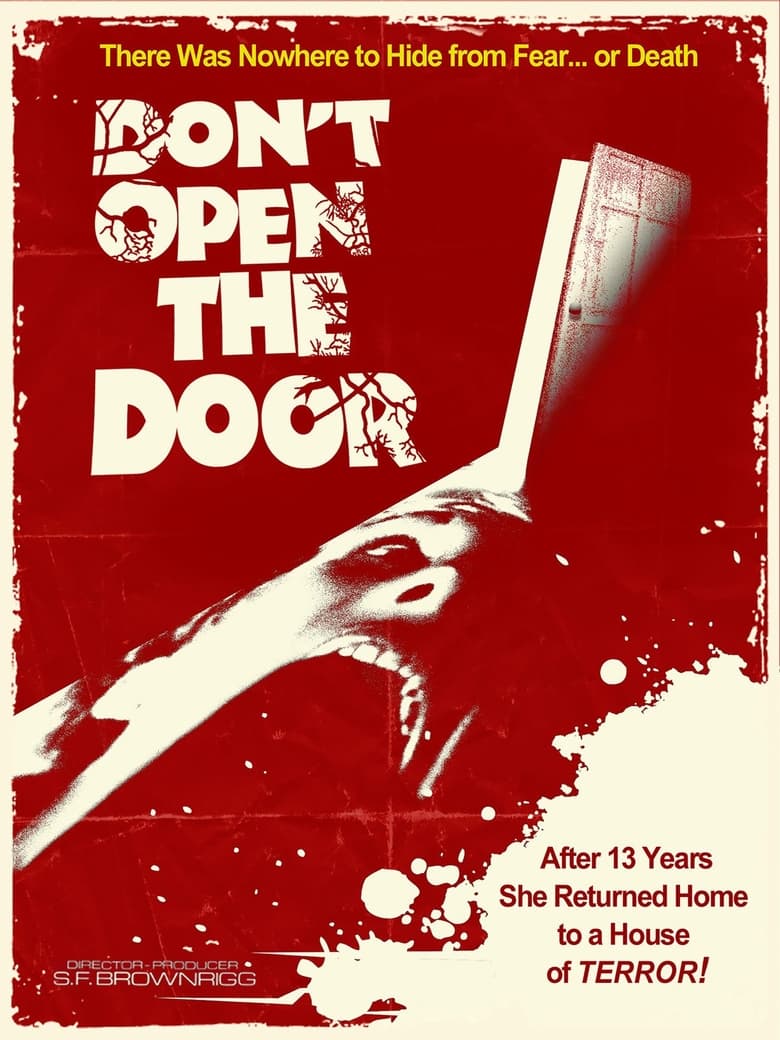
1974
PGDirector
S.F. Brownrigg
Runtime
85 minutes
Average Rating
No ratings yetSynopsis
13 years after witnessing her mother's murder by an unknown assailant, Amanda Post returns home to attend to her dying grandmother. When she dismisses the doctor, a local magistrate and an antique collector, all of whom seem to have their own sinister agendas, she becomes the target of anonymous threatening phone calls.
Overall Score
Limited
Category Breakdown
LGBTQ+ Representation
The film operates within a heteronormative framework typical of 1970s suspense. There is no evidence of non-cisnormative identities or same-sex intimacy present in the narrative.
Gender Representation
Amanda Post subverts the damsel in distress trope by acting as an agent of her own defense. However, male figures still dominate positions of institutional power.
Racial & Ethnic Diversity
The cast and setting reflect a homogeneous social environment. There is no indication of a multi-ethnic cast or diverse racial perspectives within the story.
Religious & Cultural Diversity
The film critiques the corruption of local authority and medical institutions. This critique focuses on individual villainy rather than a systemic deconstruction of social structures.
Disability Representation
Harriet’s terminal illness serves primarily as a plot catalyst for the antagonists' greed. The film lacks a nuanced exploration of agency regarding physical vulnerability.
Strengths
Areas for Improvement
AI Analysis
Don't Hang Up! is a traditional 1970s horror piece that prioritizes genre tropes over intersectional subversion. While it offers a refreshing level of agency to its female lead, it remains tethered to the demographic and social norms of its era. The film's strength lies in its refusal to treat the protagonist as a passive victim. Instead, Amanda Post actively confronts the predatory men surrounding her, providing a more resilient female archetype than many contemporary slashers. However, the film lacks meaningful diversity in terms of race, sexual orientation, or neurodivergence. It relies on conventional hierarchies and uses physical illness as a mere narrative device to drive the plot forward.
1977
2010
1980
1981
1988

2014
1981

1980
2002
1998
1987
1971
No reviews yet. Be the first to share your thoughts on this movie!
Use the rating form above to leave a star rating and optional review.