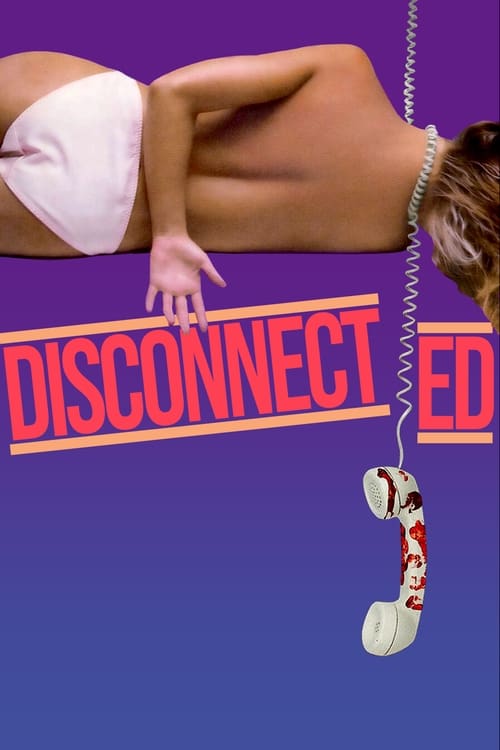
Disconnected
1984
No user ratings available yet
Representation score: 1.8 out of 10
Representation Score
Minimal
1980
AADirector
Alan Birkinshaw
Runtime
24 minutes
Average Rating
No ratings yetNew Showbiz Analysis
Dead End is a product of the early 1980s horror movement, prioritizing genre clichés over social commentary. The film adheres to established cinematic norms rather than attempting to disrupt them. The narrative centers on a singular female experience defined by suspense and vulnerability. This reliance on traditional power dynamics limits the depth of its gender representation. Overall, the film lacks intentionality regarding the way different parts of someone's identity overlap. It functions as a conventional genre piece that reflects the homogeneous casting and storytelling standards of its time.
Category Breakdown
The film does not include any characters with non-binary or LGBTQ+ identities. It operates within a traditional framework that assumes everyone is straight and cisgender.
A female protagonist drives the narrative, providing some level of ability to act. However, she largely fits the 'persecuted woman' cliché, which emphasizes her vulnerability to external threats.
The production appears to reflect the homogeneous casting standards of its era. There is no indication of a diverse or multicultural cast.
The story follows conventional Western suspense structures without offering critiques of religious or social institutions. It focuses on individual survival in a localized setting.
There is no discernible evidence regarding the inclusion of characters with visible or invisible disabilities.
Present on Screen
Limited or Absent
Official Synopsis
A woman receives a menacing phone call from a stranger and is later plagued by a series of eerie circumstances after she parks her car in a local parking garage.
1984

1972
1977
1977
2015

1974
1974
1978
No reviews yet. Be the first to share your thoughts on this movie!
Use the rating form above to leave a star rating and optional review.