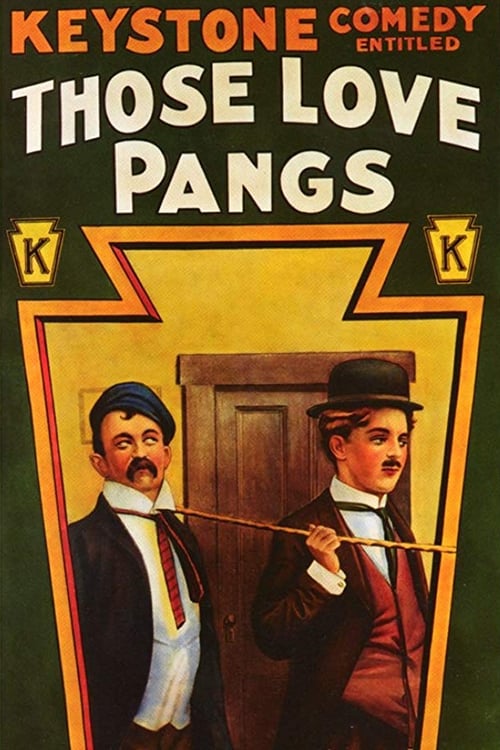
Those Love Pangs
1914
No user ratings available yet
Representation score: 1.4 out of 10
Representation Score
Minimal
1916
Director
Will Louis
Runtime
10 minutes
Average Rating
No ratings yetNew Showbiz Analysis
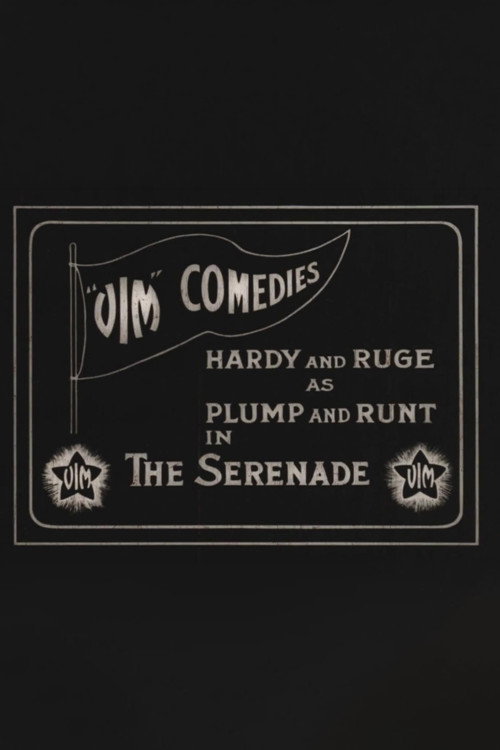
The Serenade is a product of its time, functioning as a conventional silent comedy that relies on broad archetypes. The narrative structure is built around a standard romantic rivalry, which prioritizes slapstick and situational humor over social complexity. Because the film adheres to early 20th-century comedic clichés, it lacks depth in reflecting diverse identities. Characters appear to fulfill traditional roles without challenging the social hierarchies or demographic norms of the era.
Category Breakdown
The film does not include any characters with non-straight or non-cisgender identities. The plot revolves around a traditional romantic rivalry focused on a female character.
Florence is portrayed as the central object of desire, a common cliché of the era. The narrative emphasizes masculine competition between the two male leads.
There is no indication of a non-white or non-Anglo-Saxon cast. The film seems to reflect the homogeneous demographic norms typical of 1916 American cinema.
The story operates as a standard comedic piece centered on street musicians. It does not offer any systemic critique or deconstruction of Western institutions.
No characters with visible or invisible disabilities are featured. Disability is not used as a narrative device in this production.
Present on Screen
Limited or Absent
Official Synopsis
Plump and Runt are street musicians who are rivals for Florence's affection.
1914
1929

1916
1914
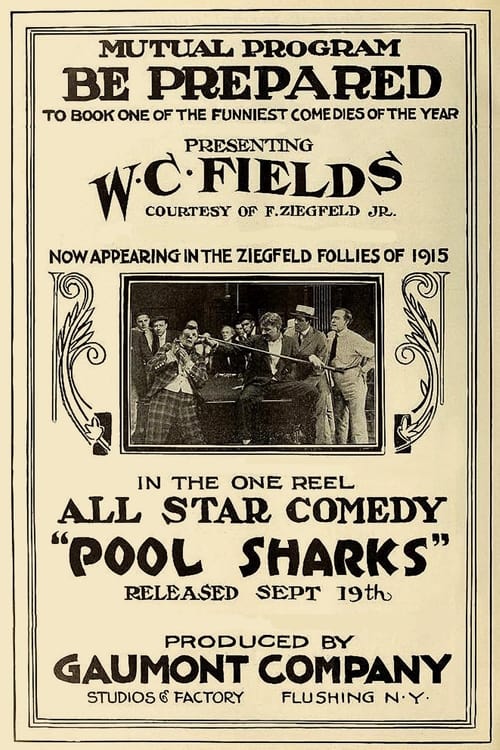
1915
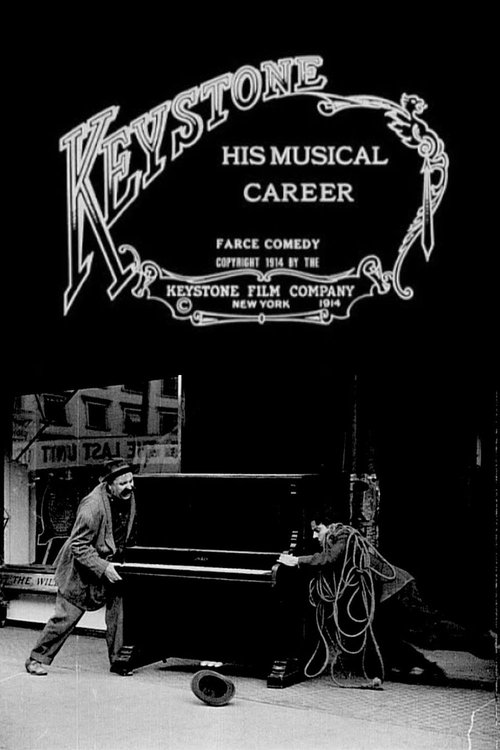
1914

1914
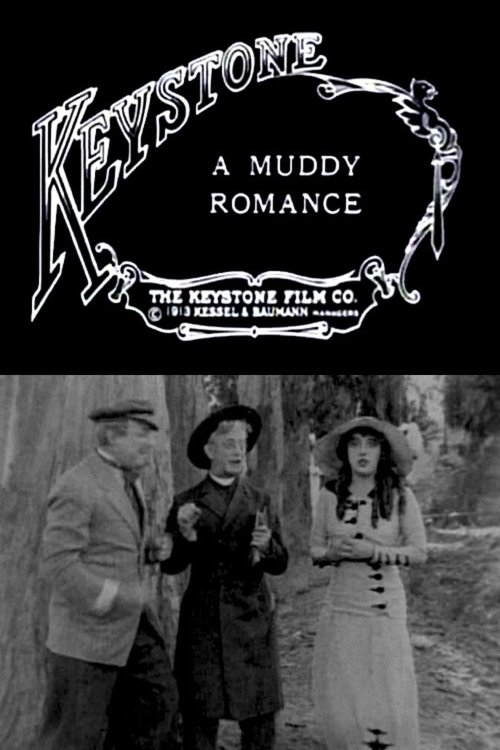
1913
No reviews yet. Be the first to share your thoughts on this movie!
Use the rating form above to leave a star rating and optional review.