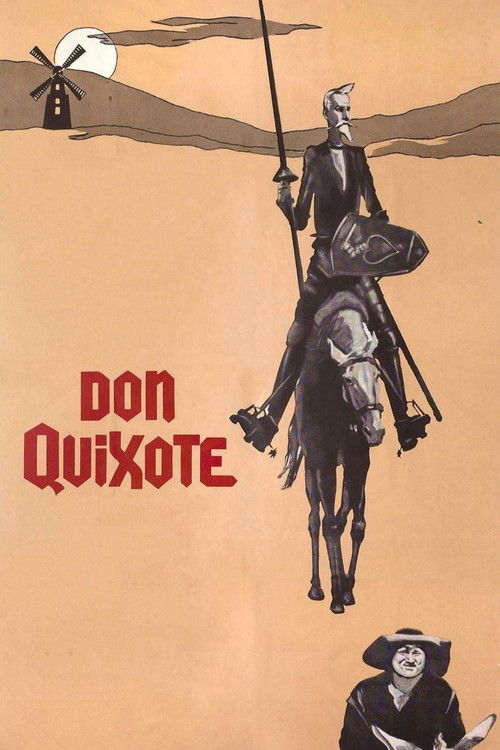
Don Quixote
1957
No user ratings available yet
Representation score: 2.3 out of 10
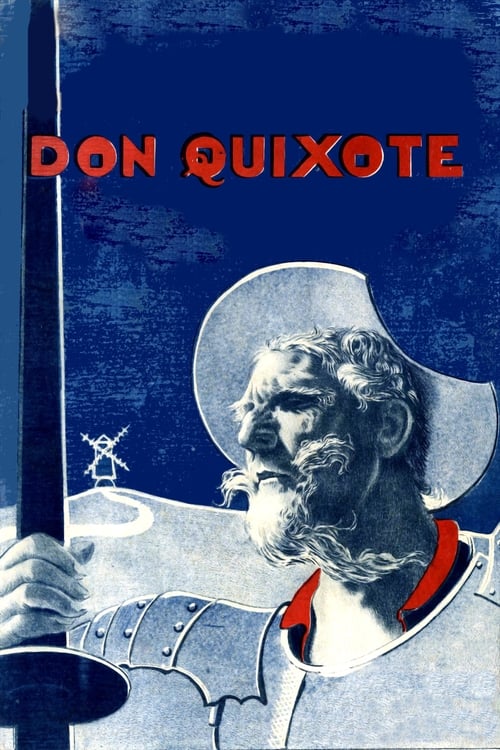
Representation Score
Limited
1933
NRDirector
G.W. Pabst
Runtime
89 minutes
Average Rating
No ratings yetNew Showbiz Analysis
Pabst's adaptation is a character-driven story set in its historical context. It emphasizes the psychological tension between idealism and pragmatism, rather than social upheaval. The film adheres to the social norms of its time, focusing on the class struggles and the psychological dynamics of its characters. It lacks a deep exploration of diverse identities and perspectives. Overall, the film remains rooted in the social structures of its era, offering limited representation for underrepresented groups.
Category Breakdown
The film does not depict any non-binary gender identities or LGBTQ+ relationships. The central relationship between two male characters is strictly platonic.
The story focuses primarily on male characters, particularly the knight and his squire. Women play minor roles and have limited influence on the main plot.
The cast is predominantly white and reflects the demographics typical of early 20th-century European period pieces. There is little diversity among the characters.
The film examines the economic disparities between the nobility and the peasantry but does not critically address broader societal issues related to institutional values.
The film explores the protagonist's mental state through the lens of perceived madness, serving as a literary device rather than a detailed examination of neurodivergence.
Present on Screen
Limited or Absent
Official Synopsis
Inflamed by his readings of chivalric novels, Don Quixote, a knight with a sad face, accompanied by Sancho Panza, a peasant steeped in common sense, decides to set off across the world in search of improbable adventures.
1957
1992
2002
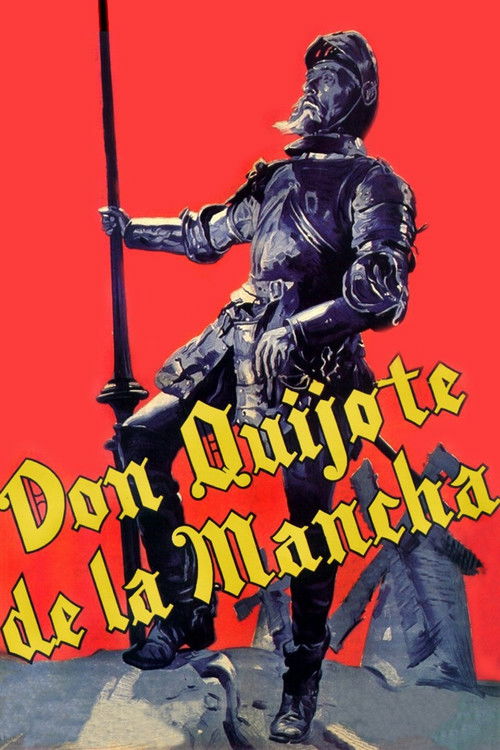
1947
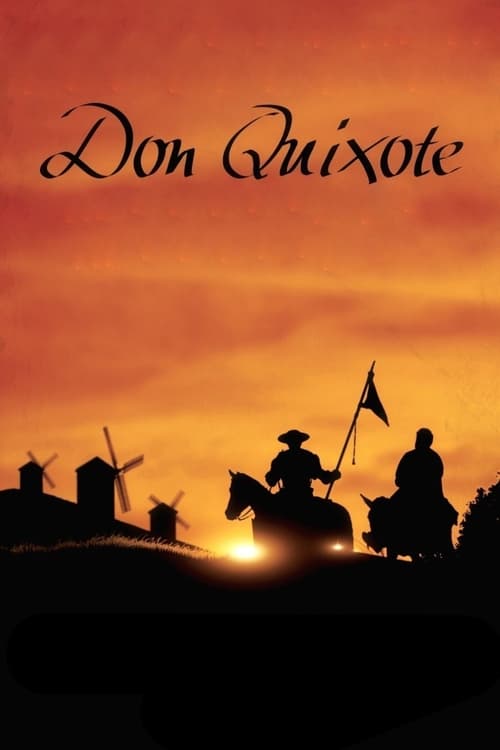
2015
1956
1958
1968
No reviews yet. Be the first to share your thoughts on this movie!
Use the rating form above to leave a star rating and optional review.