The Adventures of Baron Munchausen
1988
No user ratings available yet
Representation score: 5.9 out of 10
Representation Score
Good
2018
Not RatedDirector
Terry Gilliam
Runtime
133 minutes
Average Rating
No ratings yetNew Showbiz Analysis
Terry Gilliam’s work is a postmodern exploration that prioritizes the deconstruction of reality over demographic-driven representation. The film succeeds in its cultural critique, using a surrealist lens to challenge capitalist structures and the stability of Western institutional truths. However, the film remains limited in its social breadth. It relies heavily on male-centric narratives and traditional gender roles, offering minimal engagement with LGBTQ+ identities or diverse gender hierarchies. Ultimately, the film's progressive nature is found in its intellectual subversion rather than its casting or character demographics. It trades social inclusivity for a deep, philosophical interrogation of subjective morality.
Category Breakdown
The story focuses on the psychological struggles of male characters. It doesn't include active critiques of straight relationships or provide much space for queer character development.
The narrative centers around male-driven journeys and traditional archetypes. Female characters appear as supporting figures rather than primary drivers of the plot.
The Spanish setting provides a rich backdrop with a diverse cast of local villagers. This avoids a homogenous Western cliché by grounding the story in a specific cultural landscape.
The film offers a sharp critique of consumerism and corporate capitalism. It embraces postmodern themes, presenting truth as a subjective construct and challenging traditional institutional authority.
Mental health and neurodivergence are explored through the lens of madness and surrealism. These psychological states are treated as complex existential conditions rather than objects of mockery.
Present on Screen
Limited or Absent
Official Synopsis
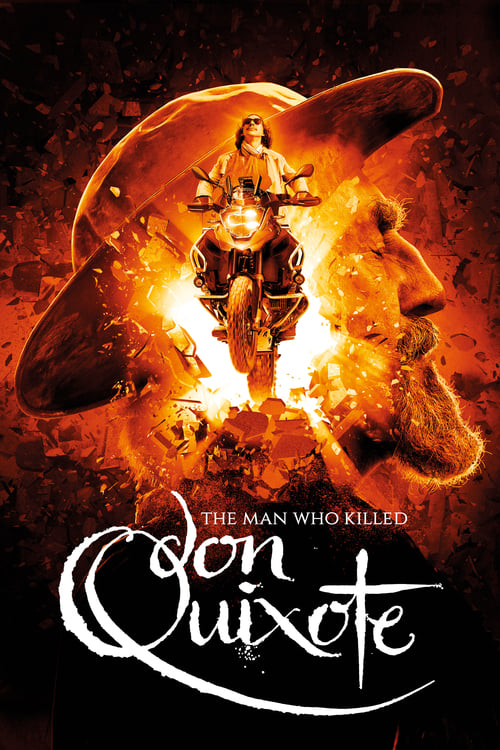
Toby, a cynical film director finds himself trapped in the outrageous delusions of an old Spanish shoe-maker who believes himself to be Don Quixote. In the course of their comic and increasingly surreal adventures, Toby is forced to confront the tragic repercussions of a film he made in his idealistic youth.
1988
1990

2013
1974
1985
2014

2016

2012
No reviews yet. Be the first to share your thoughts on this movie!
Use the rating form above to leave a star rating and optional review.