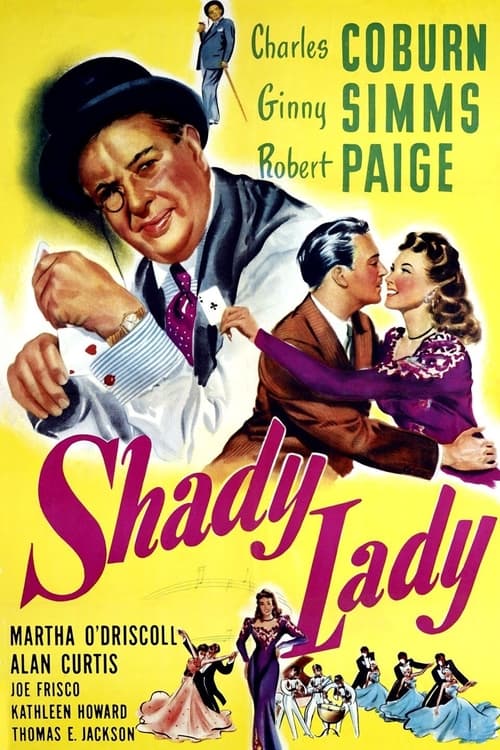
Shady Lady
1945
No user ratings available yet
Representation score: 0.5 out of 10

Representation Score
Minimal
1946
NRDirector
Douglas Sirk
Runtime
100 minutes
Average Rating
No ratings yetNew Showbiz Analysis
A Scandal in Paris is primarily a genre-driven piece of mid-century entertainment. The plot revolves around a smooth-talking thief navigating social hierarchies through deception, emphasizing individual ability to act rather than a systemic examination of class or power. While Douglas Sirk’s direction hints at a potential for nuanced social commentary, the film remains consistent with the conventional cultural expectations of its time. It lacks the layered complexity or deliberate subversion of social norms necessary for a higher diversity rating. Ultimately, the film functions as a period-specific romantic comedy that upholds the social and moral norms of the 1940s.
Category Breakdown
The film does not include any characters with non-binary or LGBTQ+ identities, nor does it depict any same-sex relationships. It follows the traditional heterosexual norms typical of mid-1940s cinema.
Gender roles in the film revolve around traditional courtship and social manners. Although the main character challenges professional hierarchies, the film does not significantly challenge conventional gender roles.
The story seems to reinforce a homogeneous social environment within a Eurocentric context. There is no indication of a diverse cast or actors playing roles outside their traditional backgrounds.
The storyline centers on romantic entanglements within a specific social class. It adheres to the moral standards of the 1940s without offering deeper critiques of societal structures.
There are no visible or mentioned disabilities among the characters in the narrative.
Present on Screen
Limited or Absent
Official Synopsis
A smooth-talking French thief wangles his way into an important position as prefect of police.
1945

1932

1936

1937

1950

1966

1961
1948
No reviews yet. Be the first to share your thoughts on this movie!
Use the rating form above to leave a star rating and optional review.