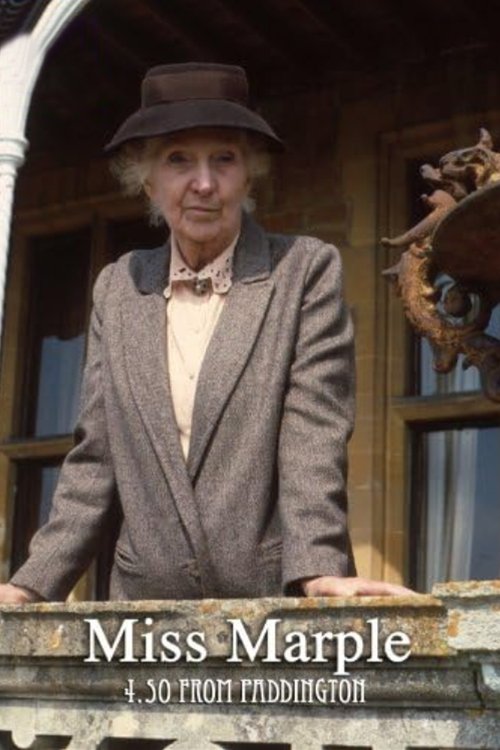
Miss Marple: 4.50 from Paddington
1987
No user ratings available yet
Representation score: 3.4 out of 10

Representation Score
Minimal
2000
TV-14Average Rating
No ratings yetNew Showbiz Analysis
The film opens in the dim, oppressive grandeur of an English country house, a space where social hierarchy is as rigid as the architecture. This is not a story about systemic failure but about individual moral failure within a closed, elite system. The camera loves the setting, treating the aristocratic world as beautiful and timeless, even as it unravels. Clara Carradine is the active agent of the crime, yet the narrative frames her murder as a sympathetic response to a loveless marriage, not a radical act. Lord Edgware is the obstacle, but only because he refuses a divorce, exercising his privilege as the Fourth Baron Edgware. The film’s argument is that the system is just and restorable; the "chaos" of the murder is contained by Poirot’s intellect, not by challenging the class structure. The last image is a close-up on Poirot’s face, calm and satisfied, as he explains the logic to the gathered suspects. This is the moral verdict: order is better than chaos, and the detective’s role is to untangle the knot, not to cut it. The film rewards meticulous observation and social hierarchy; the "chaos" of the murder is contained by the detective’s intellect. The system works, even if it is uncomfortable for some individuals. The legend printed is that of the perfect detective, who can untangle any knot, no matter how complex. The film is a study of the upper class, where the "merit" is social status and intellect, and the "crime" is a murder, but also a crime against social expectations. The punchline is that the system works, even if it is uncomfortable for some individuals.
Category Breakdown
No queer characters or same-sex intimacy appear. The narrative relies exclusively on heterosexual marital conflict and affair dynamics within the closed social sphere.
Clara Carradine is the active killer, yet the camera frames her as a sympathetic victim of a loveless marriage. Lord Edgware’s refusal of divorce is treated as valid aristocratic privilege, not abuse.
The cast is entirely white and British, reflecting the period’s upper-class insularity. Carlotta Adams is identified as an American actress, but this serves only as a minor cultural marker.
The film treats aristocratic hierarchy as the natural, restorable order. Poirot’s deduction validates the existing social structure; the murder’s chaos is contained by intellect, not by challenging the class system.
No characters are depicted with physical, sensory, or cognitive disabilities. Dr. Bauerstein is eccentric but not impaired; his role is comic relief, not a representation of disability.
Present on Screen
Limited or Absent
1987
1964

1985
1978
1940

1982

1937

2023
No reviews yet. Be the first to share your thoughts on this movie!
Use the rating form above to leave a star rating and optional review.