
The Masque of the Red Death
1964
No user ratings available yet
Representation score: 3.0 out of 10
Representation Score
Limited
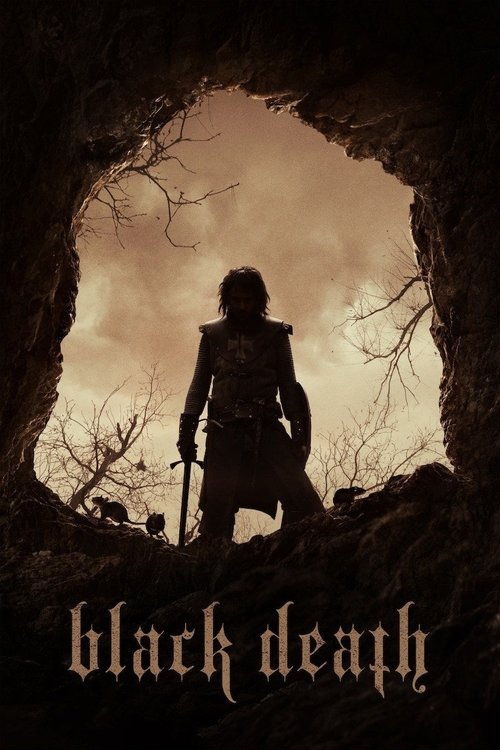
2010
RDirector
Christopher Smith
Runtime
102 minutes
Average Rating
No ratings yetNew Showbiz Analysis
Black Death is a grim deconstruction of medieval authority that prioritizes atmospheric dread over demographic variety. While it lacks representation for LGBTQ+ individuals and women, it stands strong in its critique of religious institutions. The film's primary achievement lies in its cultural critique. By framing the inquisitors' mission through moral ambiguity, it challenges the conventional heroic crusade cliché, presenting a descent into systemic dysfunction instead. Ultimately, the film's lack of diverse representation is a result of its commitment to historical accuracy, resulting in a narrative that is culturally provocative but demographically narrow.
Category Breakdown
The film adheres to a strictly heterosexual and cisgender perspective. There are no visible representations of non-binary genders or LGBTQ themes.
The story focuses primarily on male characters such as soldiers and a monk. Female characters are mostly peripheral, often portrayed as victims or objects of suspicion.
Set in 14th-century England, the cast is predominantly white. The film mirrors the demographic uniformity of the time without using actors from diverse backgrounds.
The film effectively critiques the Church, showing religious authority as a source of fear and fanaticism. It questions the necessity of religious orthodoxy through its portrayal of village survival.
The plague serves as a metaphor for bodily decay and systemic vulnerability. However, these depictions lean toward the visceral and horrific rather than providing nuanced portrayals of chronic illness.
Present on Screen
Limited or Absent
Official Synopsis
As the plague decimates medieval Europe, rumours circulate of a village immune from the plague. There is talk of a necromancer who leads the village and is able to raise the dead. A fearsome knight joined by a cohort of soldiers and a young monk are charged by the church to investigate. Their journey is filled with danger, but it's upon entering the village that their true horror begins.
1964
1968
2011
1911
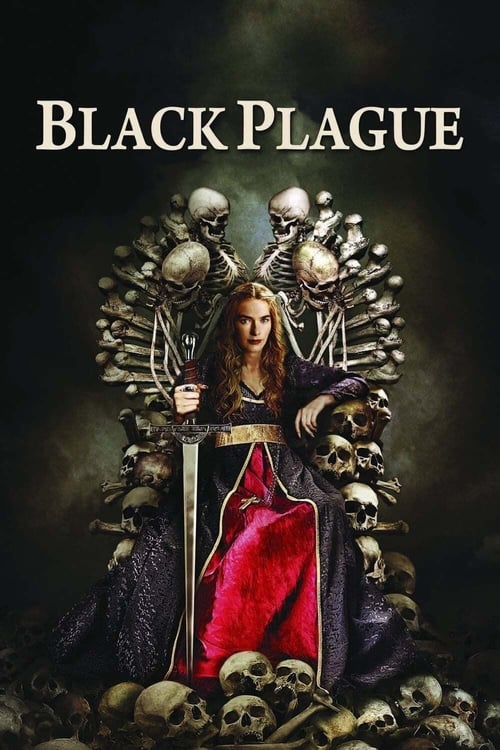
2002
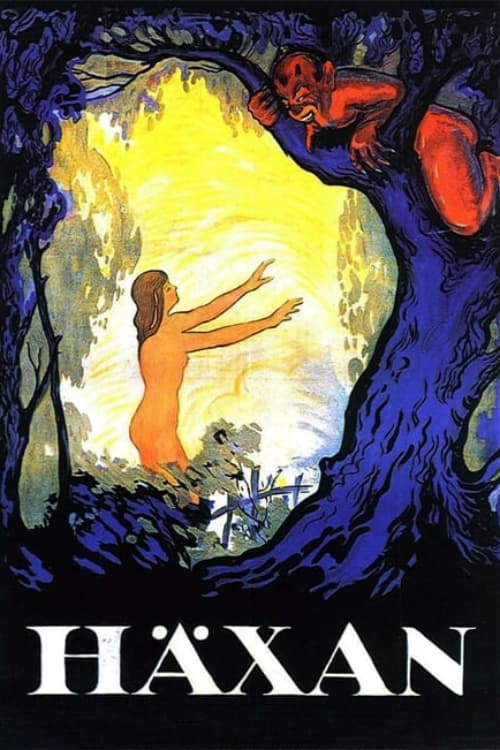
1922
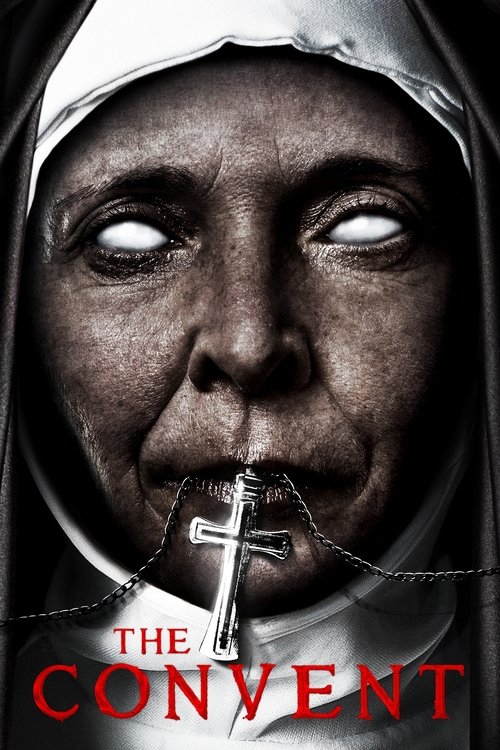
2018
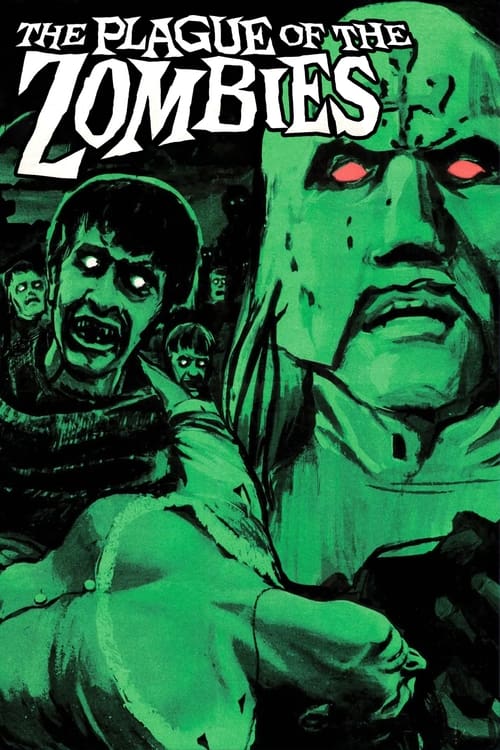
1966
No reviews yet. Be the first to share your thoughts on this movie!
Use the rating form above to leave a star rating and optional review.