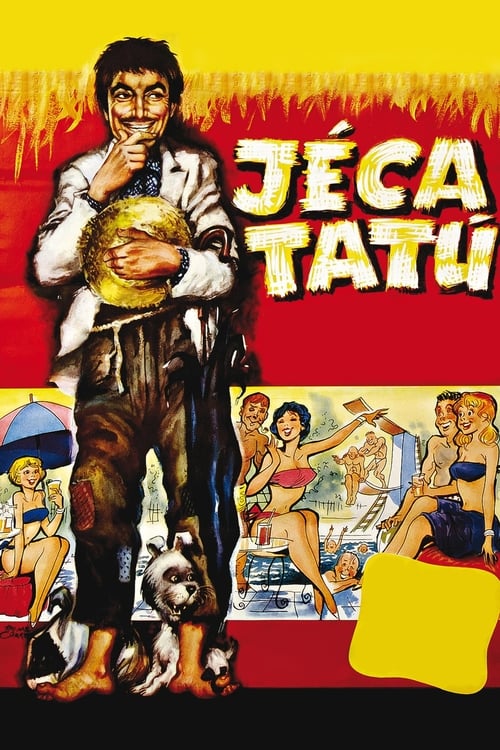
Jeca Tatu
1959
No user ratings available yet
Representation score: 5.0 out of 10
Representation Score
Minimal
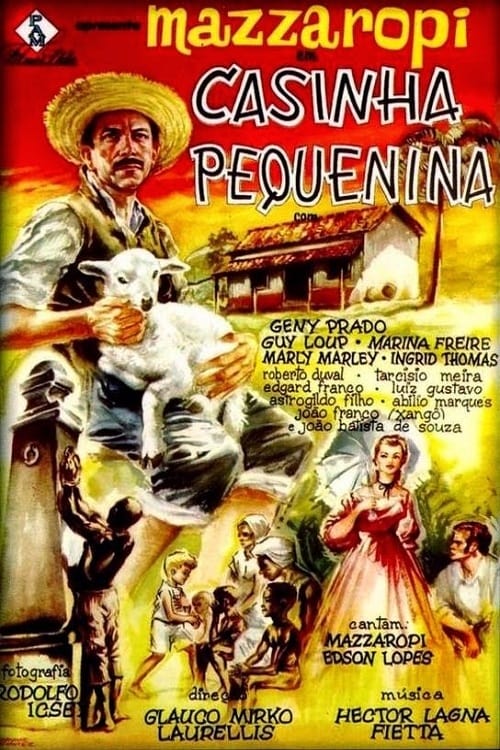
1963
Director
Glauco Mirko Laurelli
Runtime
95 minutes
Average Rating
No ratings yetNew Showbiz Analysis
Casinha Pequenina is a period comedy reflecting the social hierarchies inherent to its colonial setting. The narrative prioritizes established power structures, particularly regarding class and ownership, rather than challenging them. The film relies on traditional archetypes common to the Brazilian chanchada style, upholding existing social orders through slapstick and regional humor rather than offering systemic critique. Ultimately, the work lacks the intentionality needed to disrupt the gendered or racial norms of the era, instead operating within the framework of the historical status quo.
Category Breakdown
The film does not depict any non-straight relationships or same-sex intimacy. It follows traditional romantic storylines typical of 1960s Brazilian comedies.
A female character starts the plot through blackmail but mainly serves as a catalyst for the male lead's actions. This reinforces traditional power dynamics rather than giving women independent roles.
Set in colonial Brazil, the story centers around a protagonist who owns slaves, reinforcing historical racial hierarchies and systemic oppression without challenging them.
The plot revolves around the interpersonal maneuvering of the ruling class, reinforcing traditional structures of wealth and ownership without critiquing colonial or capitalist institutions.
The narrative does not include any characters with visible or invisible disabilities.
Present on Screen
Limited or Absent
Official Synopsis
In colonial Brazil, rich farmer and owner of slaves is blackmailed by a lady; to get rid of the problem, he involves innocent countrymen in a diabolical plan.
1959

1971
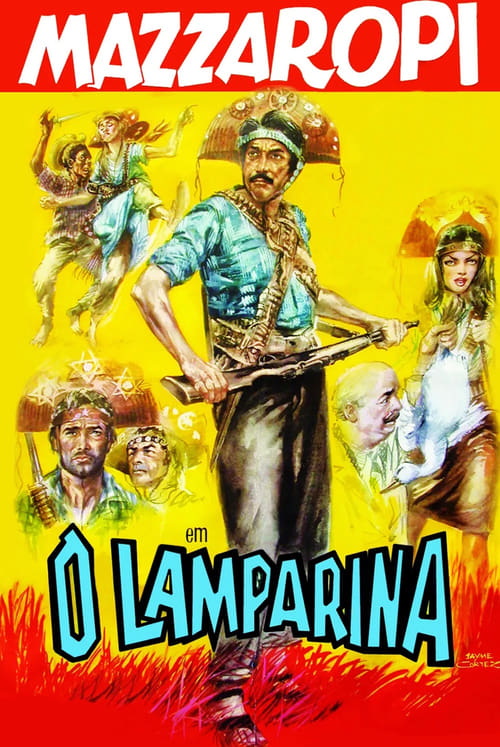
1964
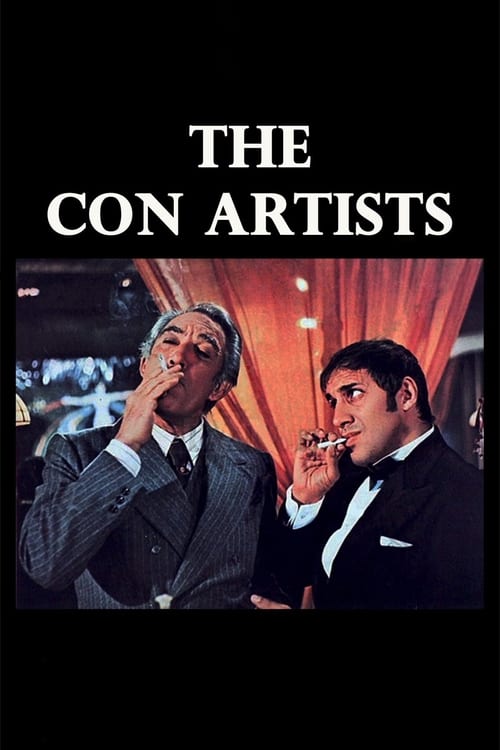
1976
1968

1973

1974
1960
No reviews yet. Be the first to share your thoughts on this movie!
Use the rating form above to leave a star rating and optional review.