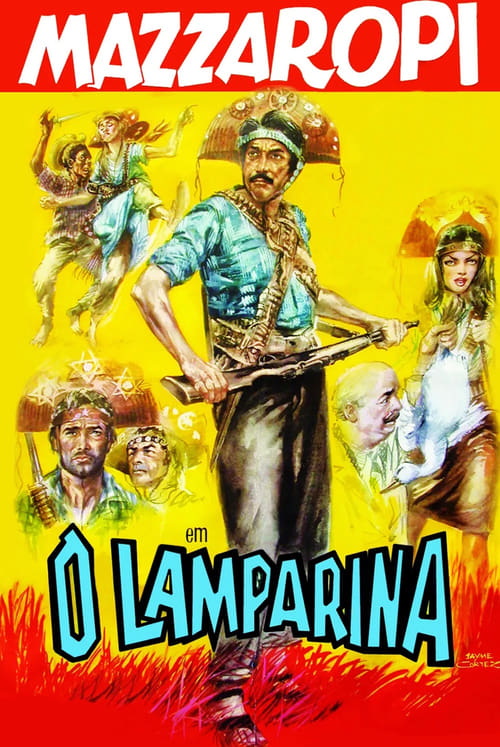
O Lamparina
1964
No user ratings available yet
Representation score: 3.5 out of 10
Representation Score
Limited
1973
Director
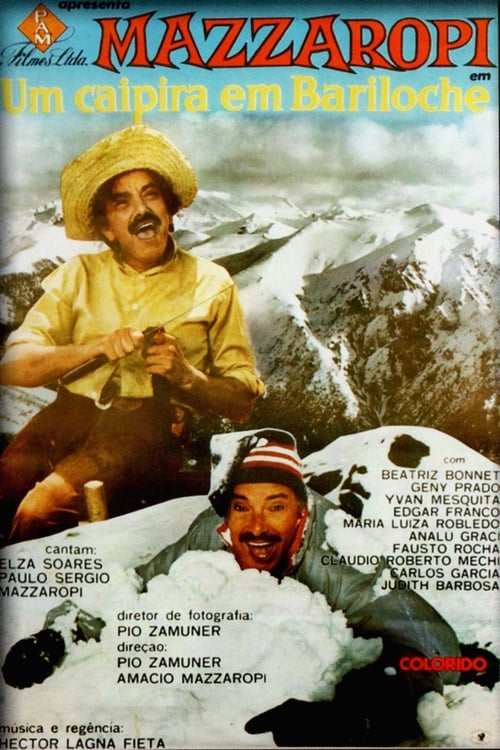
Amacio Mazzaropi, Pio Zamuner
Runtime
100 minutes
Average Rating
No ratings yetNew Showbiz Analysis
Amácio Mazzaropi’s work centers on the 'caipira' archetype, using the contrast between rural simplicity and urban sophistication to create humor. While the film criticizes urban pretensions, it does so through a traditionalist lens that upholds existing social hierarchies. The production does not aim for diverse or characters who reflect more than one aspect of diversity. Instead, it relies on established cultural archetypes and conventional social structures without challenging these norms.
Category Breakdown
The film follows traditional standards where everyone is assumed to be straight or cisgender. There are no characters with non-binary gender identities or same-sex relationships.
Women in the film are shown in supportive or domestic roles, such as the protagonist's daughter. The movie sticks to traditional gender roles without questioning these norms.
The story focuses on a single, rural Brazilian community. Cultural differences are shown through economic and regional distinctions rather than a variety of races.
The film promotes a moralistic view of simple, traditional rural life. It emphasizes folk morality and honesty over more complex cultural or post-colonial themes.
There are no characters with visible or invisible disabilities that play a key role in the story or serve as central narrative devices.
Present on Screen
Limited or Absent
Official Synopsis
Polidoro is a naive farmer. Convinced by his daughter and son-in-law, he sells his farm to Agenor, a swindler and friend of his son-in-law. Through a trap, Polidoro travels to Bariloche while his farm is sold illicitly to third parties.
1964
2005
1968
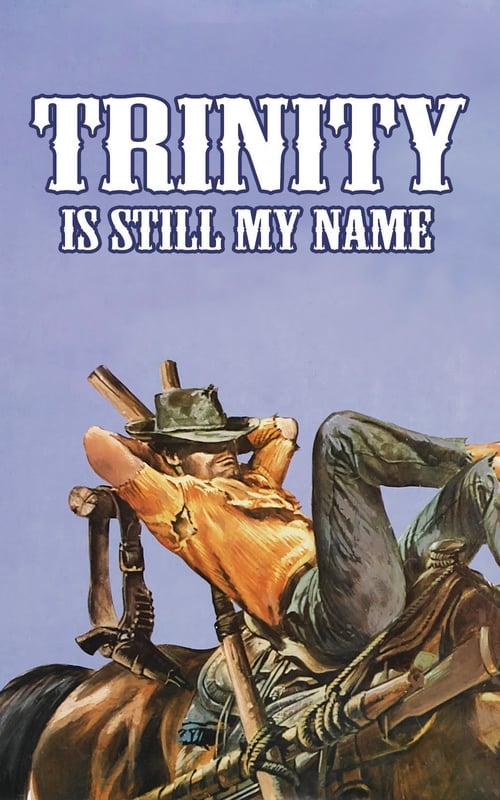
1971
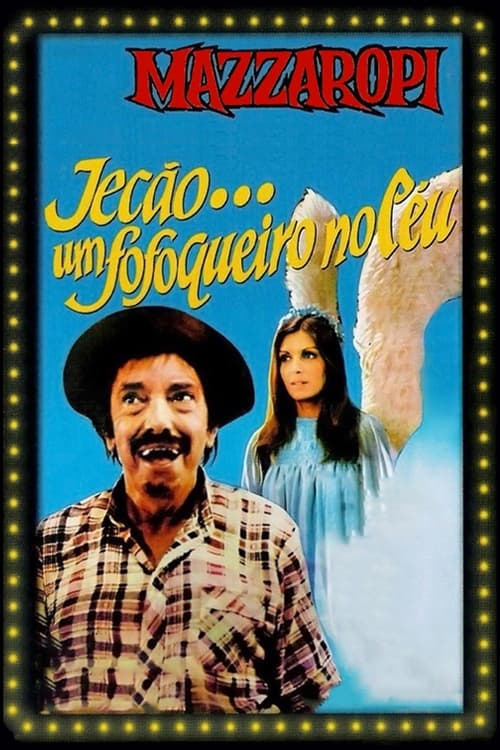
1977
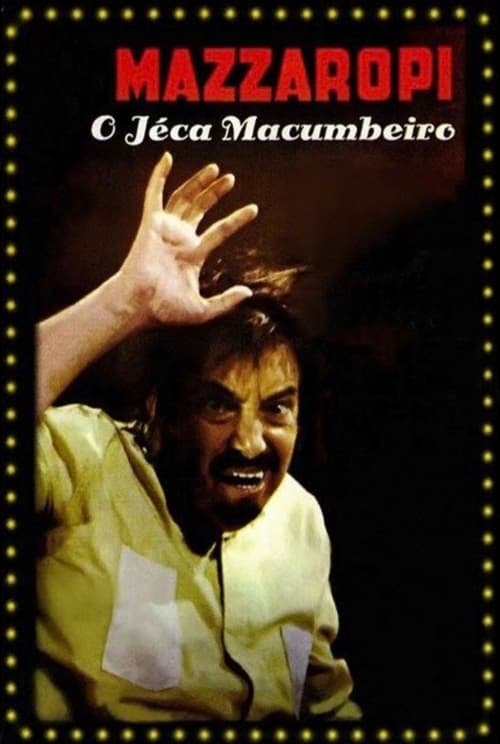
1975
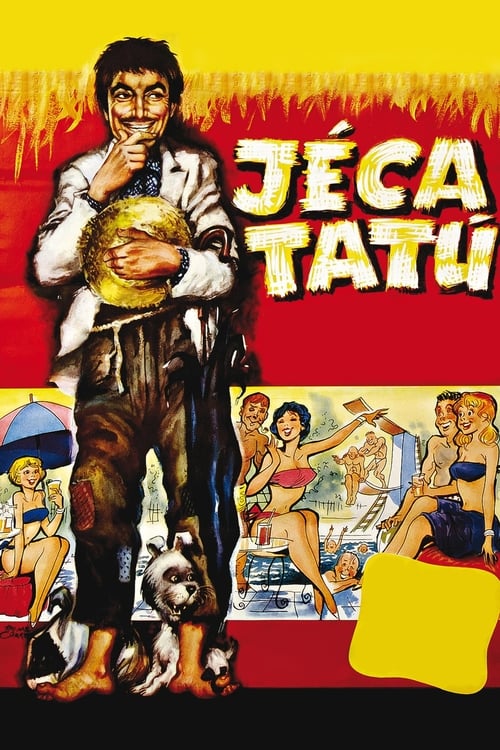
1959
1960
No reviews yet. Be the first to share your thoughts on this movie!
Use the rating form above to leave a star rating and optional review.