Playboy: How to Reawaken Your Sexual Powers
1993
No user ratings available yet
Representation score: 2.5 out of 10
Representation Score
Fair
1984
XRuntime
56 minutes
Average Rating
No ratings yetNew Showbiz Analysis
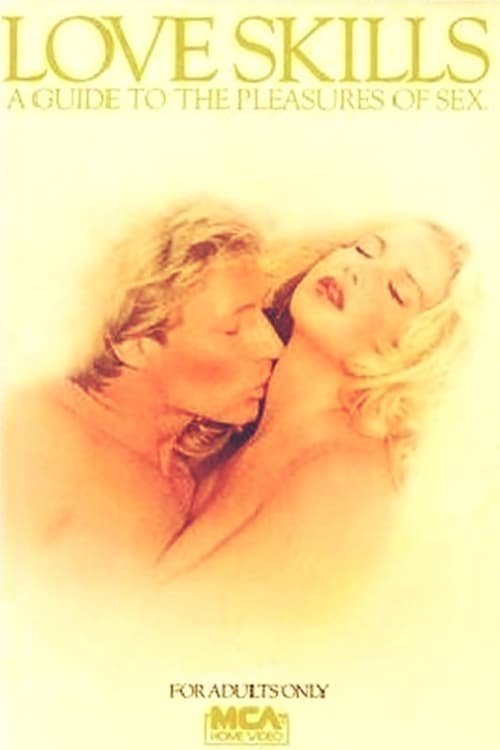
Love Skills serves as an educational tool transitioning from restrictive moralism to a clinical, ability to act-focused understanding of intimacy. It uses a scientific framework to challenge traditional sexual taboos, prioritizing psychological and biological health. However, the film lacks the complexity expected in modern media, rooted in a Western medical institution that limits its scope regarding racial and LGBTQ+ representation. Ultimately, the documentary promotes sexual ability to act and secular education, disrupting traditionalist social hierarchies despite its era-specific limitations.
Category Breakdown
The film likely adheres to the medical standards of the mid-1980s. While it aims to broaden sexual horizons, the emphasis on 'every man and woman' suggests a baseline assumption that everyone is straight or cisgender, with limited visibility for LGBTQ+ individuals.
The documentary presents sexual ability to act as a skill for both men and women to master. This approach challenges traditional gender hierarchies by focusing on desire and expression rather than male dominance.
There is no explicit indication of the racial makeup of the subjects. The film's focus on universal human potential may unintentionally present a homogenized view common in 1980s media.
The work emphasizes scientific inquiry and secularism over religious frameworks. By treating pleasure as a matter of health and skill, it dismantles traditional sexual morality through a modern lens.
The documentary does not provide evidence that disability or neurodivergence is a central theme or a featured element of its instructional content.
Present on Screen
Limited or Absent
Official Synopsis
Every man and woman has the potential to experience lovemaking at its best. All you need is desire. Love Skills shows you how to express it. This carefully produced documentary is introduced by Joshua S. Golden, M.D., the directory of U.C.L.A 's Human Sexuality program, who, along with a prestigious team of doctors, counselors and therapists has designed a unique way for people to expand their sexual horizons.
1993

1965

1999
1972
1971
2011
1970

1969
No reviews yet. Be the first to share your thoughts on this movie!
Use the rating form above to leave a star rating and optional review.