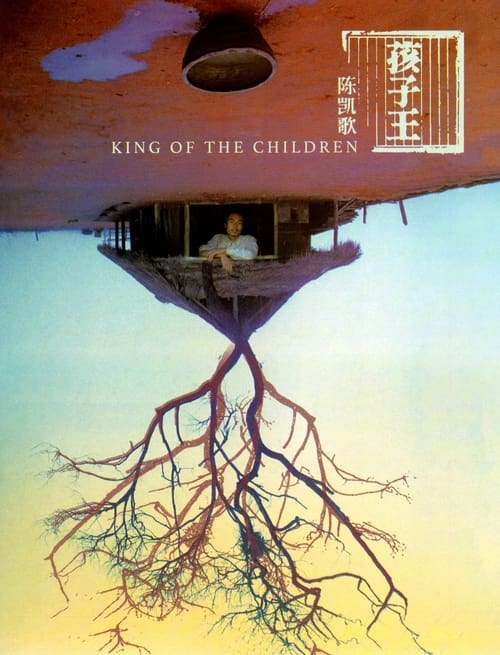
King of the Children
1987
No user ratings available yet
Diversity score: 6.2 out of 10
1991
Director
Tsui Hark, Yim Ho
Runtime
110 minutes
Average Rating
No ratings yetSynopsis
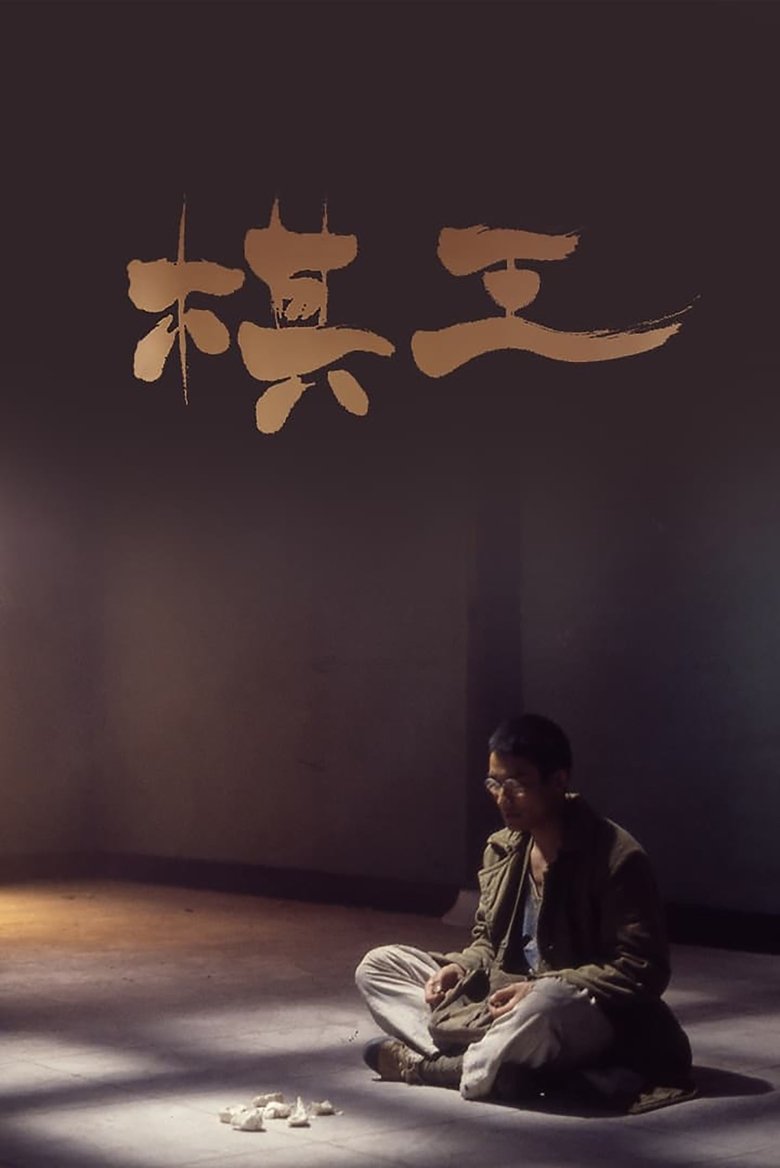
Two independent stories involving chess wizards are interwoven to satirize the politics of the Chinese Cultural Revolution as well as Taiwan's capitalist boom of the 1970's.
Overall Score
Fair
Category Breakdown
LGBTQ+ Representation
The film focuses on heteronormative romantic entanglements and traditional interpersonal tensions. There is no visible evidence of queer narratives or non-cisnormative gender identities within the plot.
Gender Representation
While female characters possess emotional complexity, the narrative remains centered on male obsession and psychological struggles. Women's agency is often tethered to marital obligations and male-driven plot triangles.
Racial & Ethnic Diversity
The film provides a deeply localized exploration of Chinese identity through a predominantly Chinese cast. It avoids whitewashing, offering authentic cultural immersion across different historical eras.
Religious & Cultural Diversity
The narrative satirizes the political volatility of the Cultural Revolution and Taiwan's capitalist boom. It uses chess as a metaphor to critique both ideological extremism and unbridled capitalism.
Disability Representation
There are no prominent depictions of physical or neurodivergent disabilities that drive the narrative.
Strengths
Areas for Improvement
AI Analysis
King of Chess is a sophisticated work of cinematic satire that prioritizes political and cultural critique over demographic breadth. It excels at deconstructing institutional narratives, specifically challenging the stability of state and market systems. The film's strength lies in its authentic, localized lens. By examining how systemic shifts impact human agency, it provides a sharp intellectual subversion of both ideological and economic power structures. However, the film operates within traditional frameworks. It lacks LGBTQ+ and disability representation and maintains a gender hierarchy where female agency is often secondary to the male protagonist's psychological journey.
1987
1997
1977

1999

1985

2012
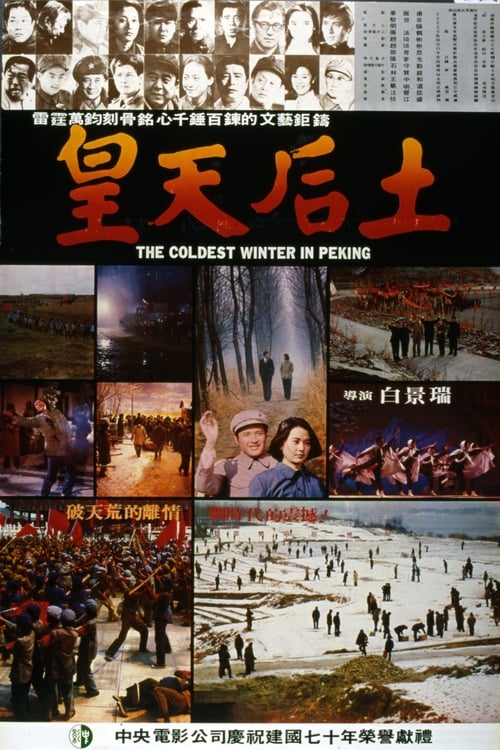
1981
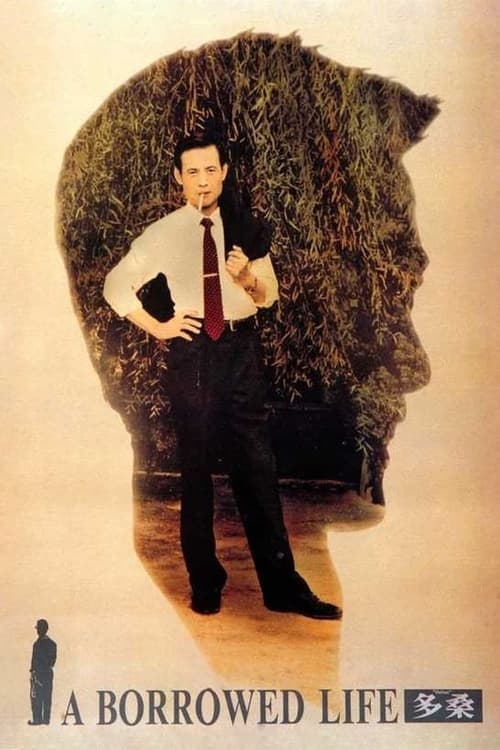
1995

2002
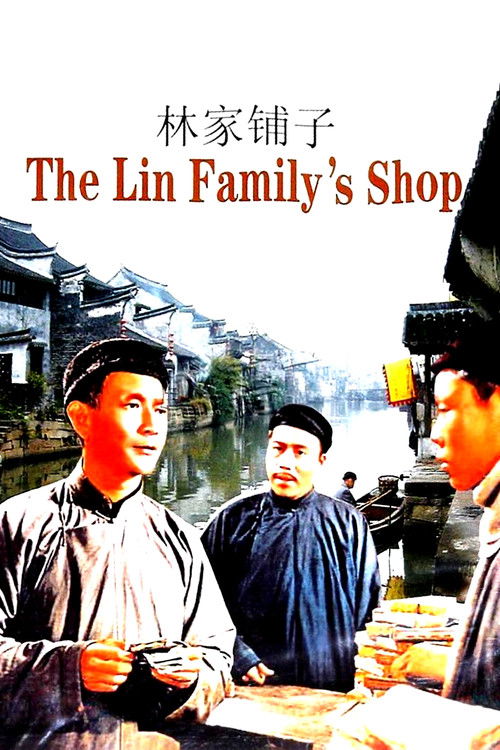
1959
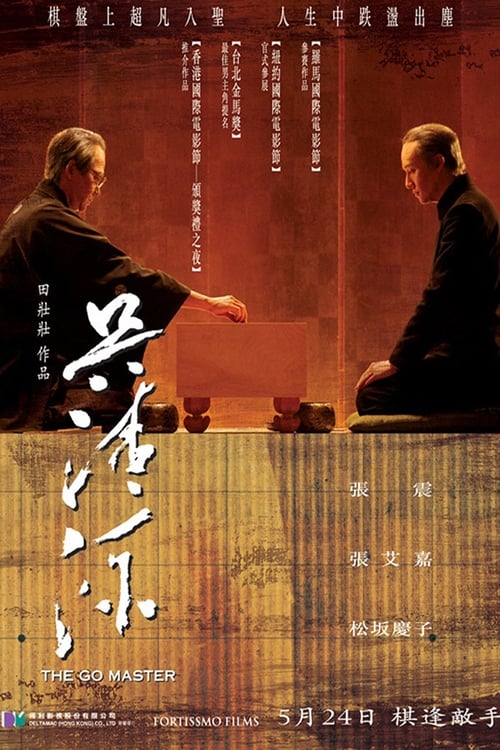
2007

1983
No reviews yet. Be the first to share your thoughts on this movie!
Use the rating form above to leave a star rating and optional review.