Critic
2008
No user ratings available yet
Representation score: 7.8 out of 10
Representation Score
Fair
2015
Director
Walter Carvalho
Runtime
111 minutes
Average Rating
No ratings yetNew Showbiz Analysis
Walter Carvalho’s documentary is a sophisticated exploration of film that emphasizes the philosophical essence of cinema over industry mechanics. It presents cinema as a global, multicultural phenomenon rather than a Western-centric construct. While the film provides a rich, international perspective, it remains detached from specific identity-focused discussions. It centers on the essence of the image and the philosophy of art rather than social politics. The work is intellectually inclusive in its global scope, although it does not engage deeply with gender subversion or disability representation.
Category Breakdown
The film focuses more on the philosophy of film rather than on characters with specific LGBTQ+ identities. It does not include any queer-coded narratives or characters explicitly related to LGBTQ+ issues.
The film includes some representation from diverse genders, such as Karim Aïnouz. However, it maintains a focus on a male-dominated tradition of 'Great Masters' without challenging traditional gender hierarchies.
This documentary stands out by de-centering Western perspectives and includes voices from Brazil, China, Hungary, and the UK, creating a multi-polar view of art.
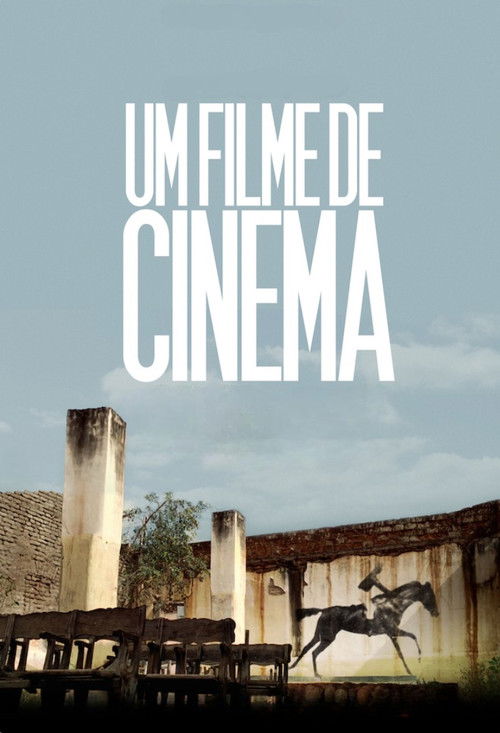
The film examines the 'seventh art' as a means to explore tragedy and human desires. It uses a decaying theater in Brazil to critique the transient nature of physical and capitalist structures.
The documentary does not focus on disability, neurodivergence, or physical impairments. It primarily addresses film theory and philosophy.
Present on Screen
Limited or Absent
Official Synopsis
An abandoned tumbledown theater in the outback of Paraíba state is the initial setting of a film about cinema, which explores the testimonials of the novelist and playwright Ariano Suassuna and other filmmakers such as Ruy Guerra, Julio Bressane, Ken Loach, Andrzej Wajda, Karim Ainouz, José Padilha, Hector Babenco, Vilmos Zsigmond, Béla Tarr, Gus Van Sant and Jia Zhangke. They all respond to two basic questions: why do they make movies and why do they serve the seventh art. The filmmakers share their thoughts about time, narrative, rhythm, light, movement, the meaning of tragedy, the audience‘s desires and the boundaries with other forms of art.
2008
1961

2023
2007
2003
2013
2013
2016
No reviews yet. Be the first to share your thoughts on this movie!
Use the rating form above to leave a star rating and optional review.