The Third Eye
1966
No user ratings available yet
Representation score: 5.5 out of 10
Representation Score
Limited
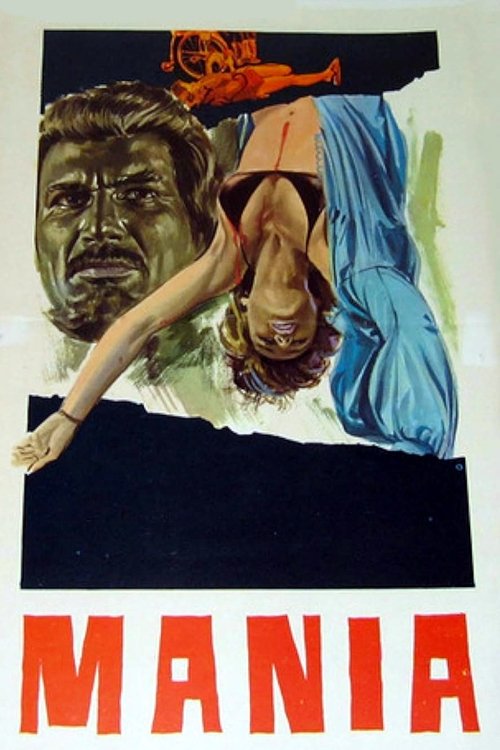
1974
Director
Renato Polselli
Runtime
85 minutes
Average Rating
No ratings yetNew Showbiz Analysis
Mania is a period-specific psychological horror that prioritizes individual pathology over diverse representation. The narrative relies on traditional genre clichés, focusing on domestic instability and scientific obsession rather than social critique. The film operates within the demographic constraints of 1970s Italian cinema, presenting a largely homogeneous cast and a focus on heterosexual relationships. While women and characters with mental health challenges drive the tension, they are often framed through lenses of fragility or victimization. Ultimately, the work functions as a study of the human psyche and moral breakdown, lacking the breadth to address broader systemic or diverse social identities.
Category Breakdown
The film centers around a relationship that assumes everyone is straight or cisgender, lacking any critique of traditional sexual norms. It does not include any LGBTQ+ characters or narratives that challenge these norms.
Women play central roles in the plot but are often defined by psychological fragility. Their influence is frequently linked to victimization or mental instability caused by male-driven experimentation.
The cast appears ethnically homogeneous, reflecting a localized European context. There is no evidence of significant racial blending or non-European identities.
The narrative adheres to traditional Western structures of authority and morality. It focuses on individual obsession rather than systemic or anti-Western critiques.
Mental health and neurodivergence are central to the plot through characters who become mute or mad. These portrayals risk using the 'madwoman' cliché for tragic effect.
Present on Screen
Limited or Absent
Official Synopsis
Professor Brecht, a renowned scientist, is obsessively experimenting in his isolated villa. The object of his studies is "apparent death", with the intention that the human body in a cataleptic state can be cured more easily. He lives with his wife Lisa and several other people: his twin brother Germano; Katia, the waitress; Lailo, his assistant and young student Erina. Having discovered his brother's affair with Lisa, Brecht sets up a plan to kill Germano and take his place. The shock makes Erina dumb. Bercht's persecution of Lisa soon turns the woman mad, while Lailo, wandering in the villa's surroundings, vainly tries to find the key to the mystery. A psychiatrist, Louis, firmly believes Lailo's madness is caused by her inner anguish and seems confident in her recovery. But he's wrong: the demented woman kills Katia and then throws herself out of a window. Brecht takes back his own identity, but his actions will have further tragic consequences...
1966

1972
1969
1971
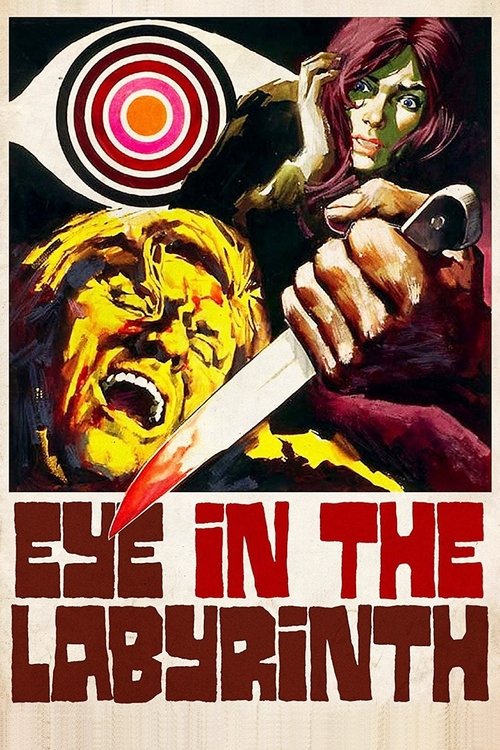
1972
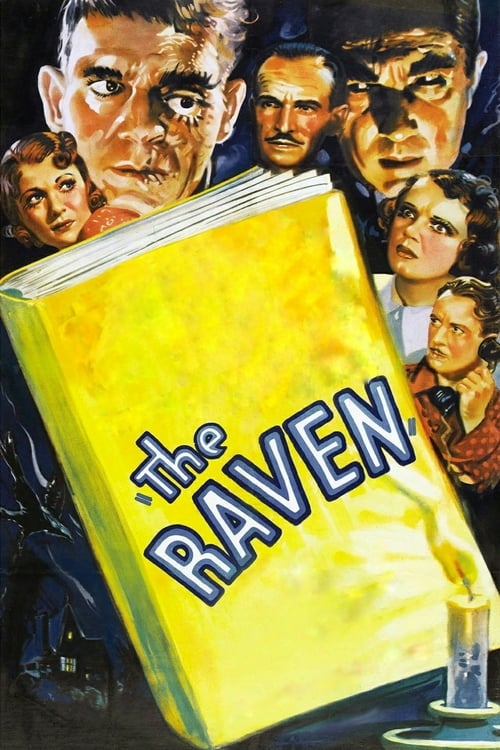
1935
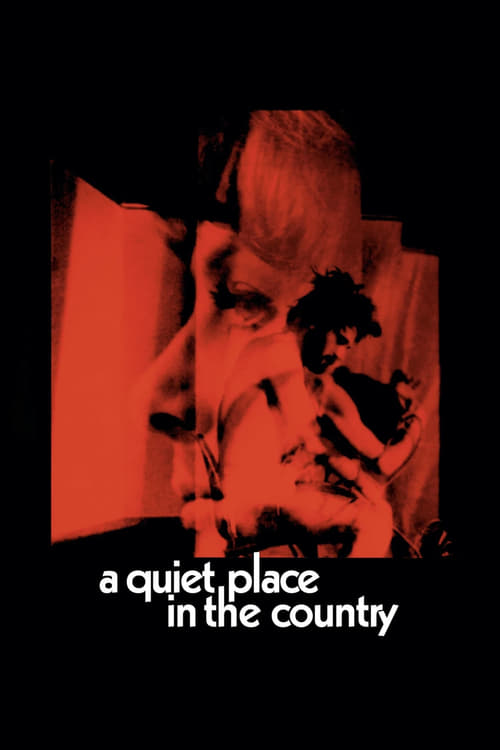
1968
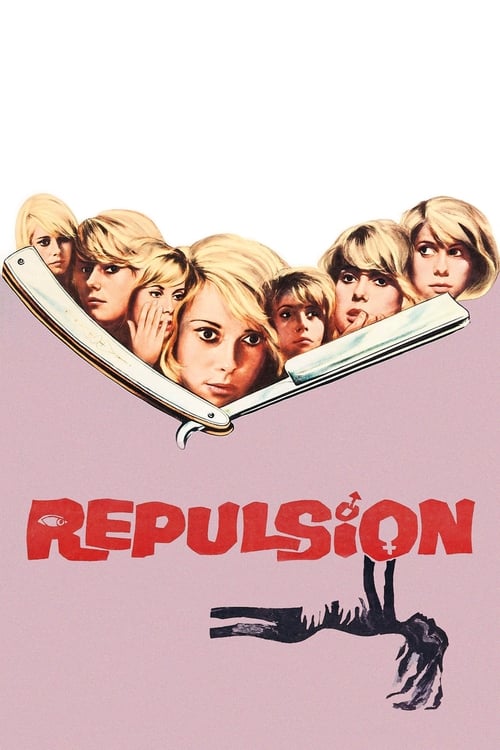
1965
No reviews yet. Be the first to share your thoughts on this movie!
Use the rating form above to leave a star rating and optional review.