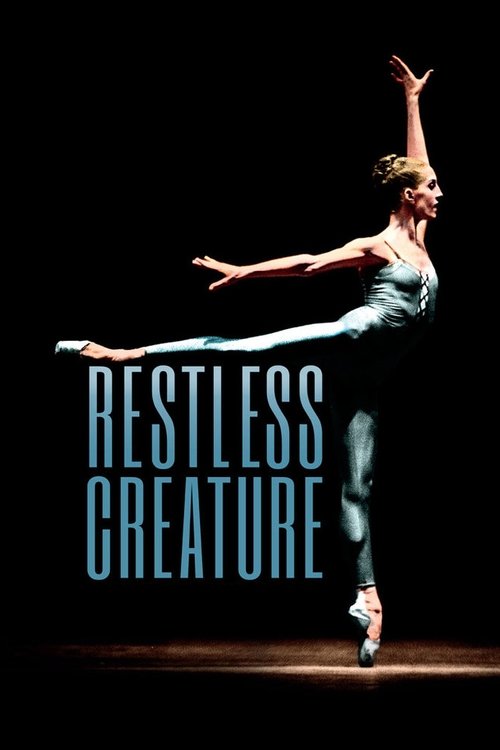
Restless Creature: Wendy Whelan
2017
No user ratings available yet
Representation score: 5.6 out of 10
Representation Score
Good
2014
Director
Nancy Buirski
Runtime
91 minutes
Average Rating
No ratings yetNew Showbiz Analysis
Nancy Buirski's documentary deconstructs the traditional power dynamics between the creator and the muse. By elevating Tanaquil Le Clercq to a central figure, it highlights her ability to act and the transformative impact of her physical condition. The film is limited by the historical context, which was predominantly white and lacked racial diversity. However, it provides a nuanced exploration of disability and gendered autonomy. Overall, the work serves as a sophisticated biographical study that challenges traditional stereotypes of the female artist while maintaining a respectful, non-sentimental view of life-altering experiences.
Category Breakdown
The film offers a glimpse into the non-traditional social circles of the mid-20th-century ballet elite. It highlights the artistic subcultures of the time, even though it centers on a heterosexual relationship.
The documentary challenges the traditional view of the muse by focusing on Tanaquil Le Clercq's role in shaping choreography. She is portrayed as a key driver of change rather than a passive participant.
The film reflects the historical lack of racial diversity in the mid-20th-century New York City Ballet. It stays true to the specific, historically white-dominated environment of elite classical dance.
The documentary emphasizes personal tragedy and the fragility of fame. It avoids a purely celebratory view of the ballet institution, highlighting the individual's vulnerability within the system.
The film handles Le Clercq's life after contracting polio with dignity and respect. It avoids sensationalizing her condition, focusing instead on the profound shift in her identity due to her paralysis.
Present on Screen
Limited or Absent
Official Synopsis
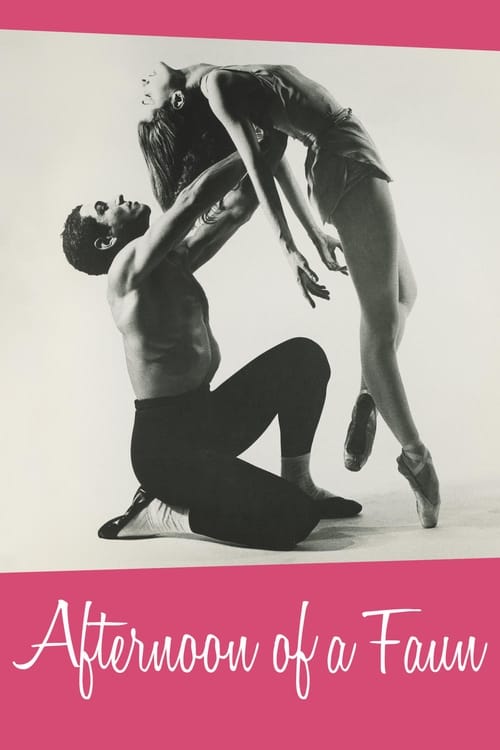
Of all the great ballerinas, Tanaquil Le Clercq may have been the most transcendent. With a body unlike any before hers, she mesmerized viewers and choreographers alike. With her elongated, race-horse physique, she became the new prototype for the great George Balanchine. Because of her extraordinary movement and unique personality on stage, she became a muse to two of the greatest choreographers in dance, George Balanchine and Jerome Robbins. She eventually married Balanchine, and Robbins created his famous version of Afternoon of a Faun for her. She had love, fame, adoration, and was the foremost dancer of her day until it suddenly all stopped. At the age of 27, she was struck down by polio and paralyzed. She never danced again. The ballet world has been haunted by her story ever since.
2017
2014
2015
2011
2018

2018
2016
2016
No reviews yet. Be the first to share your thoughts on this movie!
Use the rating form above to leave a star rating and optional review.