
T-Men
1947
No user ratings available yet
Representation score: 0.5 out of 10

Representation Score
Minimal
1951
ApprovedDirector
Robert Parrish
Runtime
87 minutes
Average Rating
No ratings yetNew Showbiz Analysis
The Mob is a typical mid-century crime drama that operates within the established social and cinematic hierarchies of 1951. It prioritizes maintaining institutional order through a narrow demographic lens. The film explores post-war social delinquency in a conventional manner. It does not attempt to disrupt traditional clichés or provide nuanced perspectives on multiple aspects of identity. Ultimately, the work adheres to the era's standard demographic norms, focusing almost entirely on male peer groups and authority figures.
Category Breakdown
The film focuses solely on male-centric delinquency and law enforcement. There are no characters or narratives that question the assumption that everyone is straight or cisgender.
The dramatic tension revolves around a male-dominated environment. While the film avoids direct misogyny, it sidelines women's ability to drive the story and reinforces traditional gender roles.
The film reflects the era's tendency towards homogeneous casting. There are no non-white characters in actively leading roles.
The narrative emphasizes restoring social order through law and parental authority. It upholds traditional Western institutions without challenging them.
No characters with visible or invisible disabilities are included in the narrative. The focus remains on socioeconomic factors influencing crime.
Present on Screen
Limited or Absent
Official Synopsis
An undercover officer tracks waterfront corruption from California to New Orleans and back.
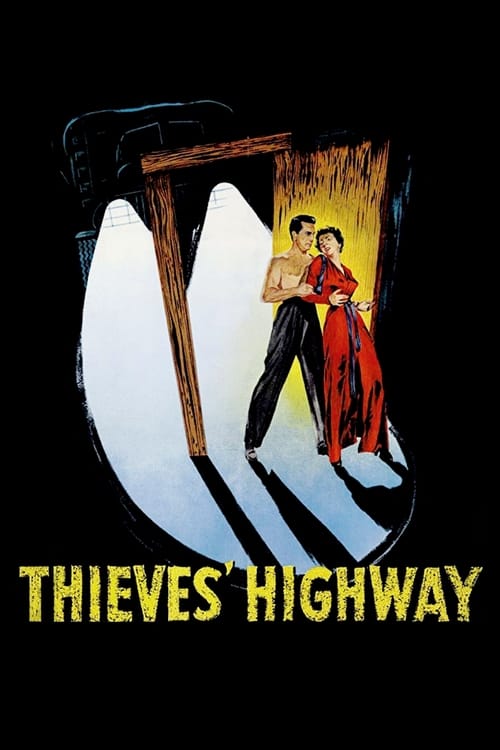
1947
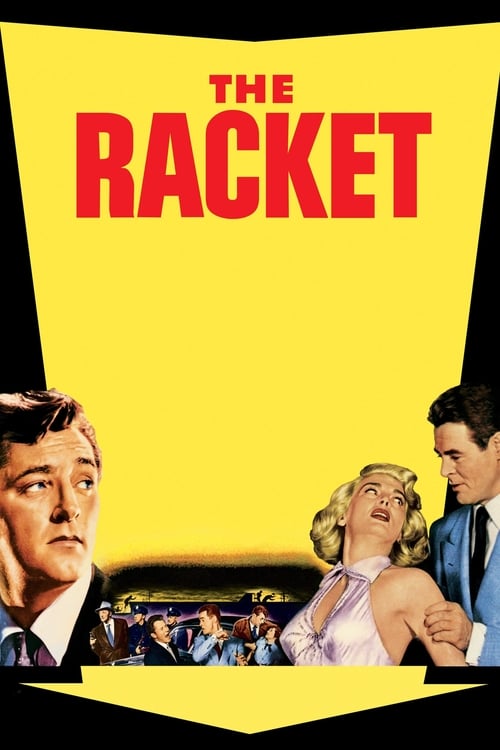
1949
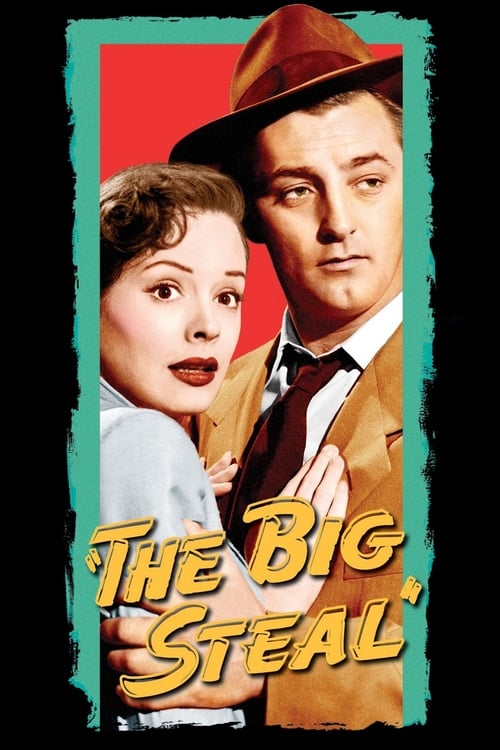
1951
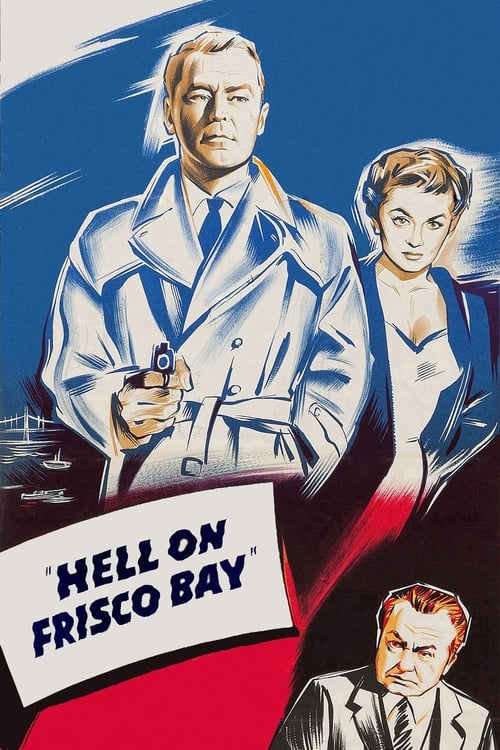
1949
1955

1953
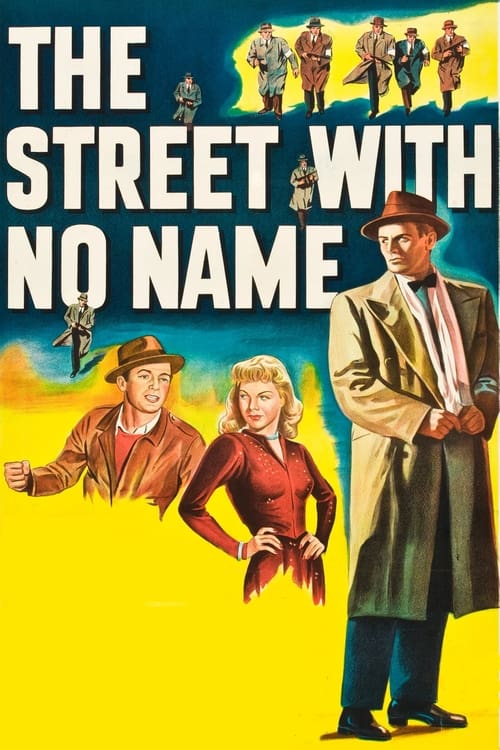
1948
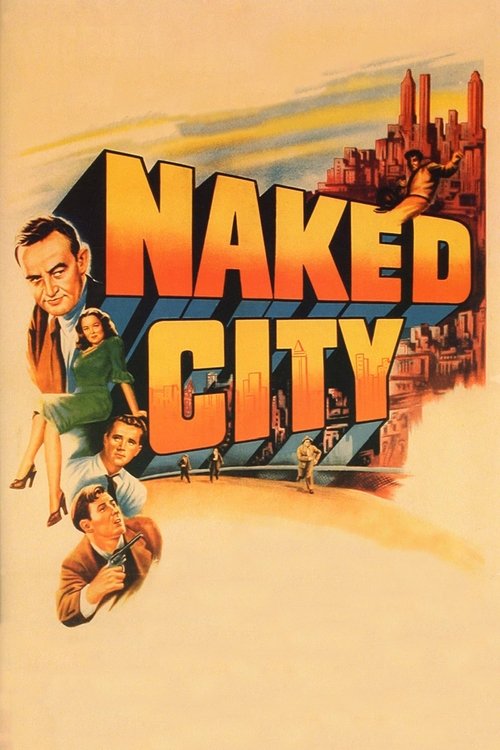
1948
No reviews yet. Be the first to share your thoughts on this movie!
Use the rating form above to leave a star rating and optional review.