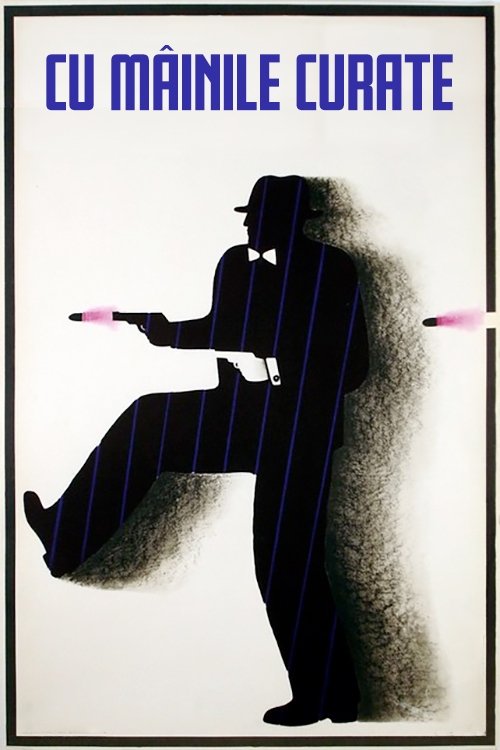
With Clean Hands
1972
No user ratings available yet
Representation score: 2.5 out of 10

Representation Score
Limited
1967
Director
Alexandru Boiangiu
Runtime
88 minutes
Average Rating
No ratings yetNew Showbiz Analysis
The Major and Death operates within the rigid cinematic traditions of 1967 Eastern Europe. The narrative structure prioritizes institutional stability and state-sanctioned order, limiting the scope for diverse or subversive storytelling. character's ability to drive the story is heavily centered on male-dominated hierarchies of authority and criminality. This focus on a police major and a gangster suggests a standard patriarchal framework typical of the thriller genre during this period. Ultimately, the film lacks depth in exploring various identities and social norms. It adheres to the demographic and social norms of its time, offering a localized perspective without broader cultural exploration.
Category Breakdown
The film does not include any LGBTQ+ characters or narratives. Given its 1967 production context, the story follows a traditional approach that excludes non-cisgender identities.
The story focuses on male authority figures such as a police major and a gangster, reinforcing conventional depictions of male leadership and control.
The cast appears ethnically uniform, reflecting the localized demographics of the era. There is no indication of diverse ethnic groups or color-blind casting.
The story emphasizes state institutions and social order through its focus on law enforcement. It operates within a culturally specific context without broader cultural exploration.
There is no documented evidence of the portrayal of physical or neurodivergent disabilities in this work.
Present on Screen
Limited or Absent
Official Synopsis
A police major is investigating a gangster.
1972
1951
1981
2021
1976
1986
1967
1981
No reviews yet. Be the first to share your thoughts on this movie!
Use the rating form above to leave a star rating and optional review.