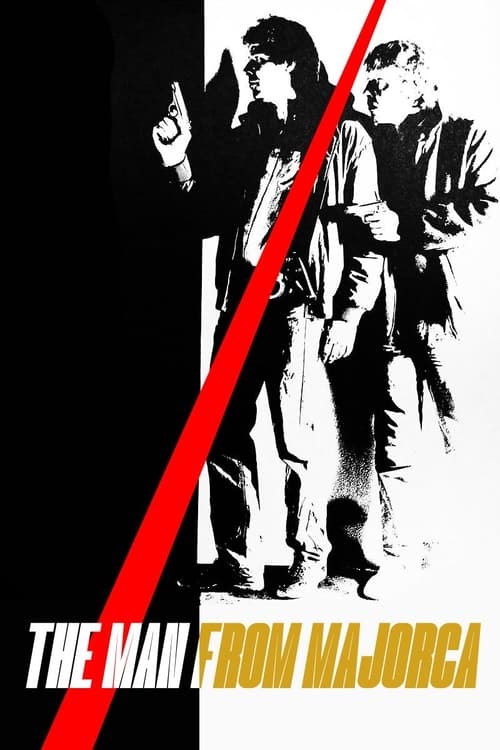
The Man from Majorca
1984
No user ratings available yet
Representation score: 4.0 out of 10
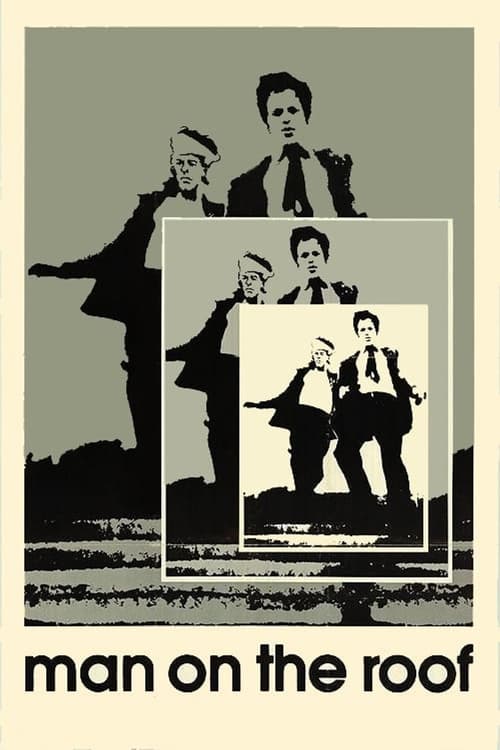
Representation Score
Fair
1976
RDirector
Bo Widerberg
Runtime
108 minutes
Average Rating
No ratings yetNew Showbiz Analysis
Bo Widerberg’s thriller functions as a gritty exercise in social realism. It prioritizes the deconstruction of authority and the exploration of institutional corruption over traditional heroic detective clichés. The film succeeds in its skepticism of Western structures, framing the investigation around systemic failures rather than individual villainy. However, the work remains limited by its localized, homogeneous setting. The lack of diverse casting and focus on a specific Swedish social context prevent a more varied narrative experience.
Category Breakdown
The film is set in mid-century Europe and does not include any visible LGBTQ+ characters or stories that question the assumption that everyone is straight or cisgender.
The story reflects the social hierarchy of its time. It avoids glorifying masculine dominance but also does not actively empower female characters or challenge traditional views of masculinity.
Set in a specific Swedish context, the film features a predominantly homogeneous cast. It does not use diverse casting to challenge demographic norms.
The film focuses on social realism and criticizes established institutions. It highlights misconduct within hospitals and law enforcement through a skeptical lens.
Medical settings are portrayed as sites of institutional tension rather than places where disabled individuals can take control. There is little representation of neurodivergent or physical disabilities.
Present on Screen
Limited or Absent
Official Synopsis
When an inspector is murdered in hospital, the investigation led by Detective Martin Beck uncovers reports of misconduct and possibly revenge.
1984

1975
1972

1975
1977
1973

2001

1981
No reviews yet. Be the first to share your thoughts on this movie!
Use the rating form above to leave a star rating and optional review.