
Kenedi Goes Back Home
2003
No user ratings available yet
Representation score: 8.5 out of 10
Representation Score
Fair
1983
Director
Želimir Žilnik
Runtime
88 minutes
Average Rating
No ratings yetNew Showbiz Analysis
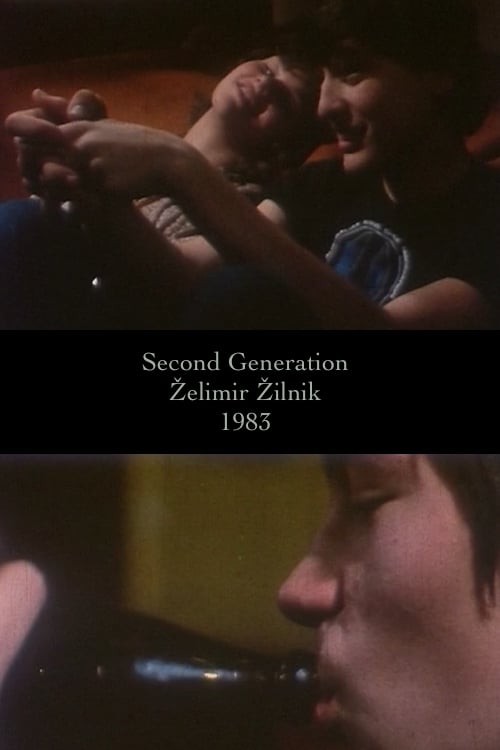
Second Generation is a powerful social critique that uses a documentary-drama hybrid to challenge the perceived stability of the Yugoslavian state. It prioritizes the subjective experience of the individual over the mandates of the collective, creating a narrative structure that highlights dissent. The film's strength lies in its deconstruction of systemic expectations. By framing the protagonist's struggle as a symptom of a rigid social framework, it addresses broader institutional friction. While the film lacks specific identity-based representation regarding race or sexuality, its exploration of Western versus Eastern social dynamics and its refusal to offer a harmonious resolution provide significant cultural depth.
Category Breakdown
The film emphasizes generational and cultural differences rather than specific LGBTQ+ identities. Though it doesn't feature explicit non-assuming gender matches what was assigned at birth character arcs, its themes of social isolation challenge the idea of a cohesive, straight-dominated society.
The narrative examines the negotiation of roles within a socialist context. It suggests a challenge to traditional patriarchal hierarchies through the tension between parents and youth, but it lacks strong female-led narratives.
Set in multi-ethnic Yugoslavia, the film explores complex identity landscapes. However, it prioritizes the cultural friction between Western and Yugoslavian influences over explicit racial or ethnic diversity.
The film effectively critiques institutional authority and state-driven collectivism. It portrays the school system and social structures as sources of alienation, framing the protagonist's rebellion as a valid response to a stifling environment.
There are no documented depictions of physical or neurodivergent disabilities within the narrative.
Present on Screen
Limited or Absent
Official Synopsis
A teenager arrives from Germany to his grandparents in Novi Sad. He can't adjust to Yugoslavian schools, system or slow way of life, so he asks his folks to go back, but his parents insist on him staying. What now?
2003
2004

1998

1997
2014

2012

1987

1987
No reviews yet. Be the first to share your thoughts on this movie!
Use the rating form above to leave a star rating and optional review.