We Feed the World
2005
No user ratings available yet
Diversity score: 6.3 out of 10
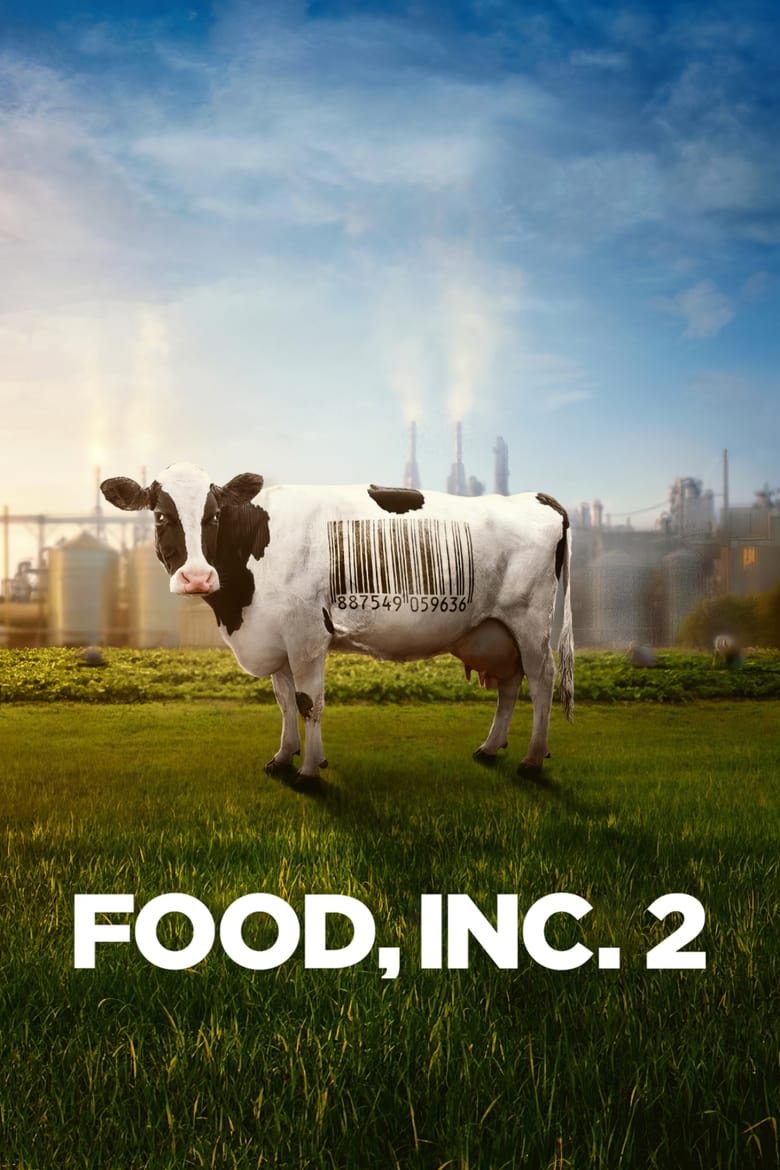
2024
PGDirector
Melissa Robledo, Robert Kenner
Runtime
94 minutes
Average Rating
No ratings yetSynopsis
Filmmakers Robert Kenner and Melissa Robledo reunite with investigative authors Michael Pollan and Eric Schlosser to take a fresh look at our efficient yet vulnerable food system.
Overall Score
Good
Category Breakdown
LGBTQ+ Representation
The documentary focuses on industrial food systems and macro-economics. There is no evidence of LGBTQ+ identities or narratives being central to the film's themes.
Gender Representation
The film shifts focus from patriarchal industrial leadership toward diverse labor forces and consumer demographics. This approach potentially elevates voices that challenge traditional corporate models.
Racial & Ethnic Diversity
The film highlights how industrial agriculture disproportionately affects non-white and immigrant populations. It explores the intersectional impact of food insecurity on these marginalized communities.
Religious & Cultural Diversity
The narrative critiques Western institutions by targeting the intersection of capitalism and industrial food production. It prioritizes communal health over large-scale corporate profit.
Disability Representation
The documentary may explore how systemic dietary structures impact chronic health conditions or neurodivergence. However, the focus remains on systemic issues rather than individual disability narratives.
Strengths
Areas for Improvement
AI Analysis
Food, Inc. 2 excels as a systemic critique, moving beyond individual stories to examine how global capitalism and industrial power dynamics affect diverse populations. It successfully deconstructs the perceived stability of Western agricultural models. The film provides significant agency to marginalized groups, particularly through its exploration of how labor practices and food insecurity impact non-white and immigrant communities. This creates a strong foundation for cultural and racial representation. While the film offers a sophisticated look at institutional power, it lacks specific focus on LGBTQ+ identities and maintains a primarily systemic rather than individual-centric approach to disability.
2005
2010
2015
2017

2015

2009
2005
2017
2024
2016

2013
2009
No reviews yet. Be the first to share your thoughts on this movie!
Use the rating form above to leave a star rating and optional review.