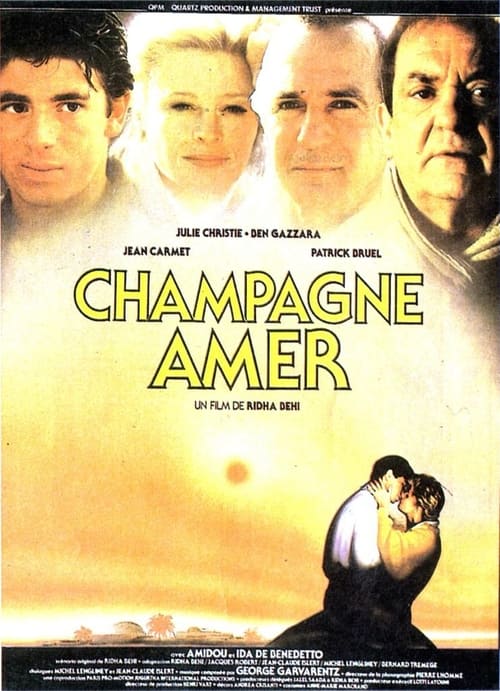
Bitter Champagne
1986
No user ratings available yet
No diversity score available

1963
15Director
Torgny Anderberg
Runtime
92 minutes
Average Rating
No ratings yetSynopsis
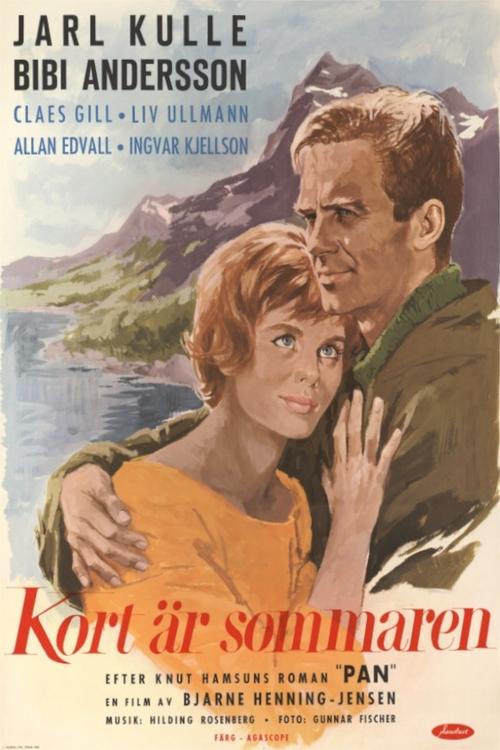
In a magnificent villa a 25-year-old son of Count lives with his family. He falls in love with an elementary school teacher. So does even his father the Count.
Overall Score
Limited
Category Breakdown
LGBTQ+ Representation
The film follows a traditional romantic rivalry between a father and son. There is no evidence of LGBTQ+ characters or narratives that challenge heteronormative structures.
Gender Representation
While a female teacher drives the plot, agency remains concentrated among the male characters. Women appear to function primarily as objects of desire within a conventional hierarchy.
Racial & Ethnic Diversity
The setting suggests a homogeneous social structure typical of 1963 Sweden. There is no indication of racial blending or non-white casting in this aristocratic environment.
Religious & Cultural Diversity
The story focuses on traditional Western hierarchies and class stability. The presence of a Count suggests a narrative rooted in established social strata rather than institutional critique.
Disability Representation
The provided information contains no documentation regarding the inclusion or portrayal of characters with physical or neurodivergent disabilities.
Strengths
Areas for Improvement
AI Analysis
Sällskapslek is a product of its era, leaning heavily into mid-century European social realism. The drama is built upon traditional class structures and heteronormative romantic tropes, specifically a rivalry between a Count and his son. The film lacks intersectional depth, focusing instead on the interpersonal dynamics of an aristocratic household. It prioritizes established social hierarchies over any disruption of conventional norms. Ultimately, the narrative serves to reinforce rather than challenge the social and gendered expectations of 1960s Swedish cinema.
1986
1977
1962
1953
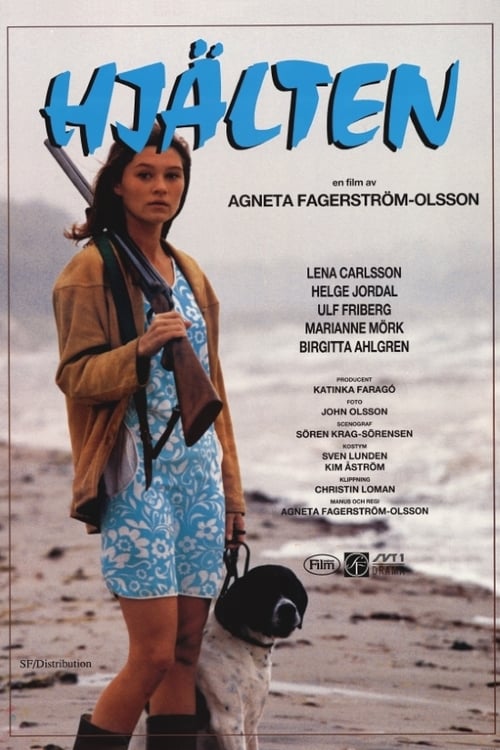
1990
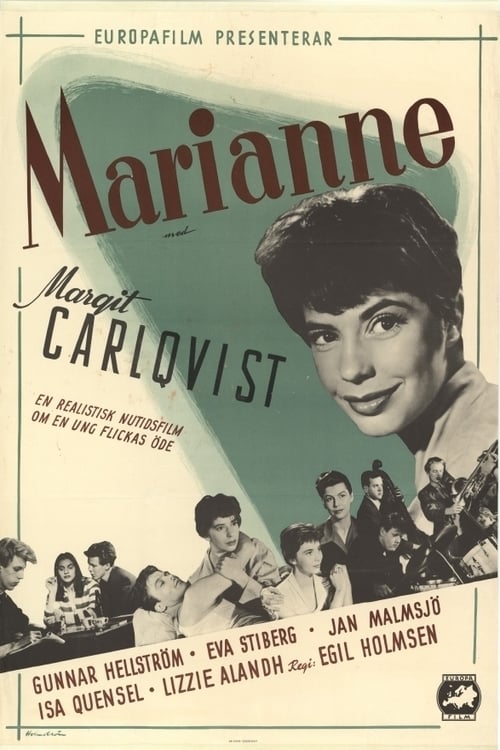
1953
1959
1950
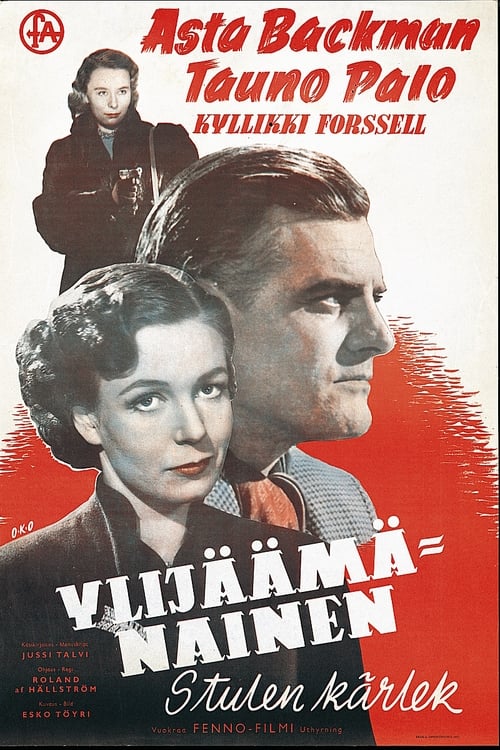
1951
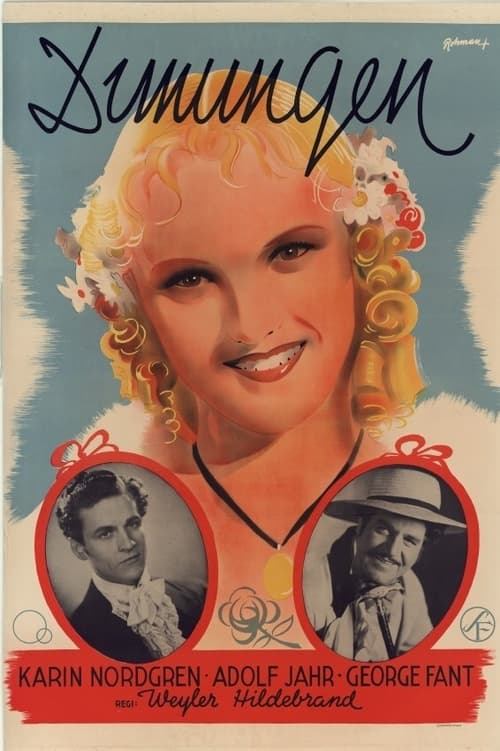
1941

1957
1962
No reviews yet. Be the first to share your thoughts on this movie!
Use the rating form above to leave a star rating and optional review.